Telangana CM Revanth Reddy launches Digital Cabinet, goes paperless
Synopsis
Telangana Chief Minister A. Revanth Reddy announced on 18 June 2026 that all state cabinet meetings will shift to a paperless model. IT Minister Sridhar Babu distributed tablets to the CM and fellow ministers, formally launching the Digital Cabinet initiative under the #SmartGovernance banner.
Key Takeaways
Telangana cabinet will henceforth hold all meetings in a paperless format , as announced by CM A.
Revanth Reddy on 18 June 2026 .
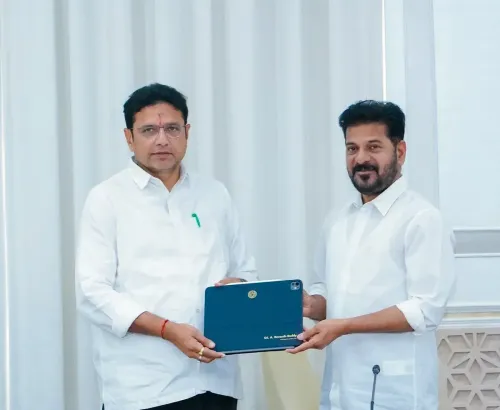
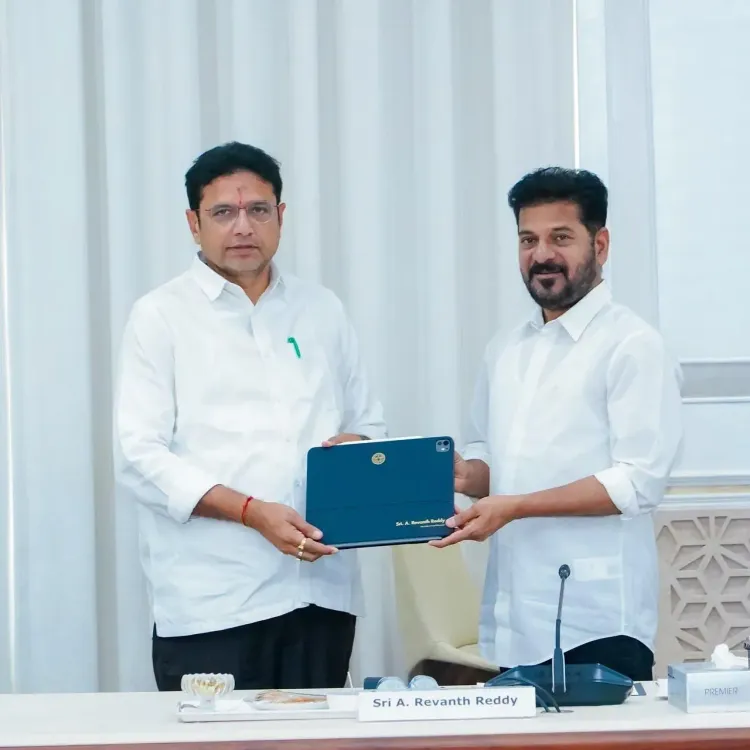
IT and Industries Minister Sridhar Babu distributed tablets to the Chief Minister and all cabinet members to kick off the Digital Cabinet initiative.
The move is in line with the national Digital India programme launched in July 2015 , which promotes e-governance across government tiers.
Telangana has been an early adopter of e-office systems since its formation in 2014 , providing a base for this upgrade.
Multiple Indian states have adopted similar tablet-based cabinet systems since the mid-2010s, citing efficiency gains and cost savings on stationery.
Next steps include deploying supporting software platforms and potentially extending the paperless model to district-level offices .
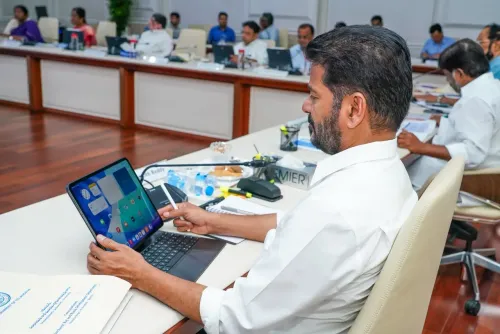
Telangana Chief Minister A. Revanth Reddy announced on Thursday, 18 June 2026 that the state cabinet will henceforth conduct all its meetings in a paperless format, marking a significant shift in how the Telangana government conducts its executive proceedings. As a first step toward this goal, IT and Industries Minister Sridhar Babu distributed tablets to the Chief Minister and all fellow cabinet members, formally inaugurating what the government is calling the Digital Cabinet initiative.
Context
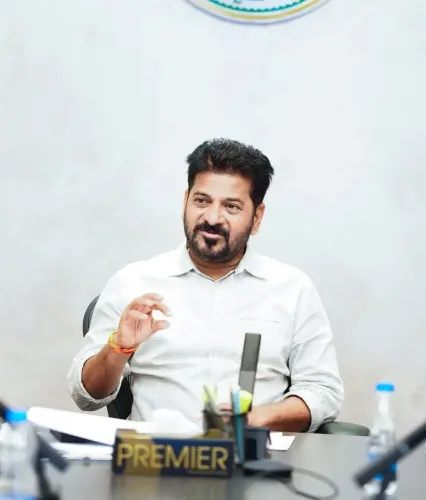
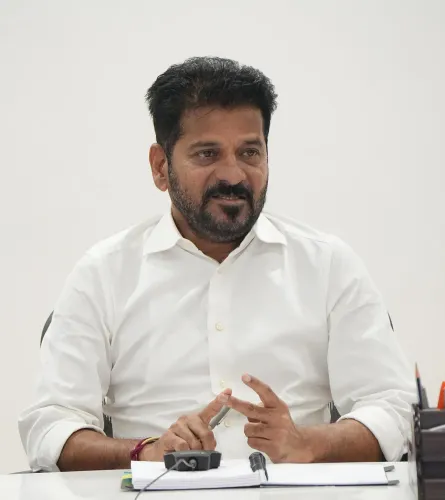
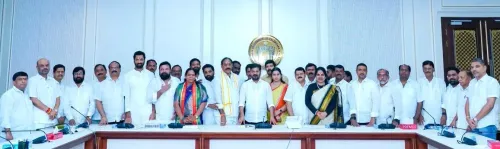
Posting in Telugu on X (formerly Twitter), Chief Minister Revanth Reddy stated: 'ఇక పై రాష్ట్ర మంత్రివర్గ సమావేశాలను పేపర్ లెస్ మోడల్ లో నిర్వహించాలని నిర్ణయించాం' — 'We have decided to henceforth conduct state cabinet meetings in a paperless model.' He added that IT Minister Sridhar Babu handed over tablets to him and fellow cabinet members as part of this initiative. The post was accompanied by four images documenting the tablet distribution ceremony.
The announcement was tagged #DigitalCabinet, #PaperlessGovernance, #SmartGovernance, and #TelanganaRising, signalling the administration's intent to frame this as a governance modernisation milestone rather than a routine administrative change.
Policy Backdrop
The move aligns with the national Digital India programme, launched in July 2015, which set out a framework for e-governance and the reduction of paper-based processes across all tiers of government. Telangana, formed in 2014, was among the early adopters of e-office systems and digital file management in its state secretariat, building a foundation on which the new Digital Cabinet model rests.
Several Indian states have introduced tablet-based or e-office systems for cabinet proceedings since the mid-2010s, citing improvements in efficiency and reductions in stationery costs. Telangana's latest step brings its cabinet-level decision-making formally into that category. The IT department, headed by Sridhar Babu, is the nodal ministry driving the rollout.
Stakeholders and Impact
The immediate beneficiaries of the shift are the Telangana Cabinet members themselves, who will now access agenda papers, policy documents, and meeting minutes through tablets rather than printed files. Government officials who prepare and circulate cabinet materials will also need to adapt their workflows to a fully digital pipeline.
For citizens, the change is largely symbolic in the short term but carries practical implications: a paperless cabinet is expected to speed up record-keeping, improve document security, and reduce administrative overhead. The initiative also reinforces Telangana's positioning as a technology-forward state, a brand identity the government has cultivated since statehood.
What's Next
Attention will now turn to the supporting software platforms and digital infrastructure being deployed alongside the tablets, and whether the paperless model will be extended to district-level administration or other departments over time. The success of the Digital Cabinet will depend on sustained training for ministers and officials, robust cybersecurity protocols for sensitive cabinet documents, and the reliability of the underlying e-governance platform. If the rollout proceeds smoothly, it could serve as a template for other state governments looking to modernise their own cabinet processes.
Point of View
Coming roughly two and a half years into its tenure — a period when state governments typically seek to demonstrate delivery on modernisation promises. By placing IT Minister Sridhar Babu at the centre of the rollout, the government is also reinforcing the IT department's centrality to Telangana's identity as a tech-driven state. The paperless cabinet is, however, a means rather than an end: its real test will be whether the underlying digital infrastructure is robust enough to handle sensitive policy deliberations securely. Broader extension to district administration would mark a more transformative shift, and that will be the metric to watch.
NationPress
19 Sept 2026
Frequently Asked Questions
What is Telangana's Digital Cabinet initiative?
The Digital Cabinet is an initiative by the Telangana government to conduct all state cabinet meetings in a paperless format, with ministers using tablets instead of printed documents. IT Minister Sridhar Babu distributed tablets to Chief Minister A. Revanth Reddy and all cabinet members on 18 June 2026 to formally launch the programme.
Who distributed tablets to Telangana cabinet ministers?
IT and Industries Minister Sridhar Babu distributed the tablets to Chief Minister A. Revanth Reddy and all fellow cabinet members as part of the Digital Cabinet launch.
Is Telangana the first Indian state to have a paperless cabinet?
No. Several Indian states have introduced tablet-based or e-office systems for cabinet proceedings since the mid-2010s. Telangana's move follows a broader national trend aligned with the Digital India programme launched in July 2015.
What is the connection between Telangana's Digital Cabinet and Digital India?
The Digital Cabinet initiative aligns with the national Digital India programme, launched in July 2015, which promotes e-governance and the reduction of paper-based processes across all tiers of government in India.
Will Telangana's paperless model extend beyond the cabinet?
That has not been officially confirmed yet. Observers will watch whether the government extends the paperless model to district-level offices or other departments following the cabinet-level rollout.