Telangana CM Revanth Reddy Launches Digital Cabinet
Synopsis
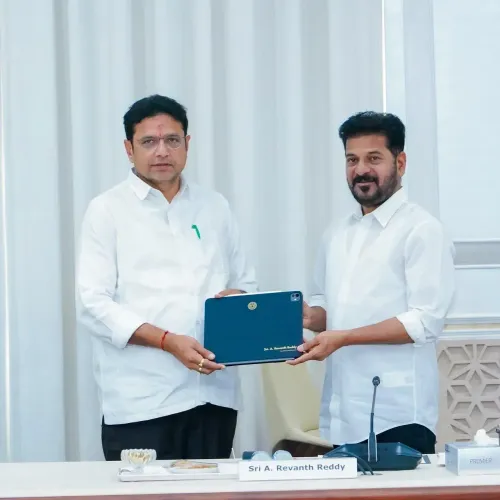
Telangana has launched the 'Digital Cabinet', replacing printed files with tablets and e-books at all state cabinet meetings. Chief Minister Revanth Reddy chaired the inaugural paperless session at the Dr. B.R. Ambedkar State Secretariat in Hyderabad on 18 June 2026, with the IT Minister distributing tablets to all ministers.
Key Takeaways
The Telangana cabinet will conduct all future meetings in a fully paperless format under the Digital Cabinet initiative.
Chief Minister Revanth Reddy chaired the decision-making meeting at the Dr.
Ambedkar Telangana State Secretariat in Hyderabad .
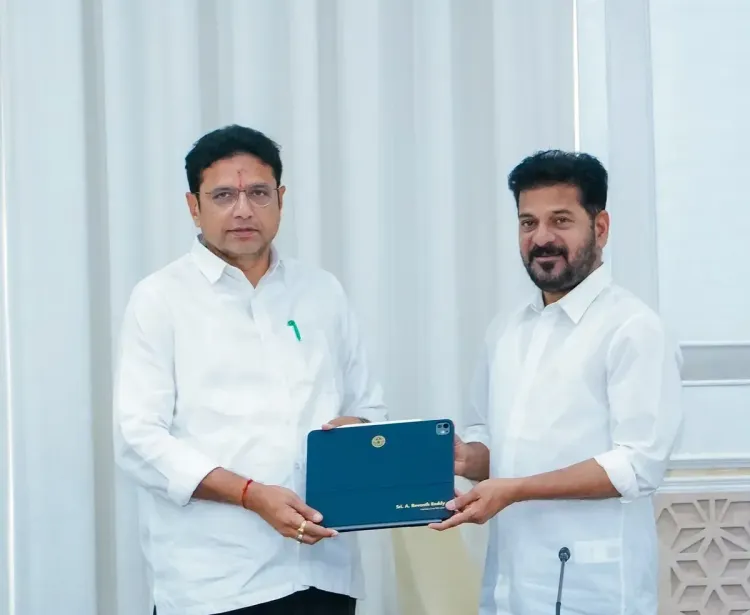
The Industries and IT Minister distributed dedicated tablets to all cabinet ministers, including Deputy CM Mallu Bhatti Vikramarka .
Cabinet agendas and related notes will henceforth be shared exclusively via e-books on the tablets, replacing printed documents.
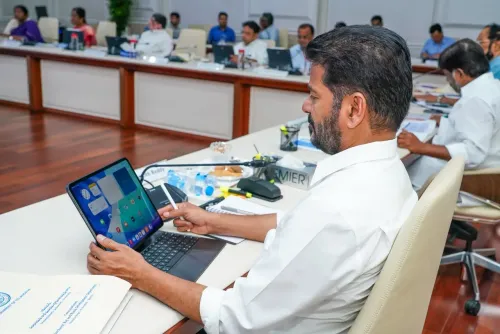
The digital workflow was demonstrated live during the cabinet meeting before formal adoption.
The move aligns with India's Digital India programme and follows similar experiments in states like Andhra Pradesh and Maharashtra .
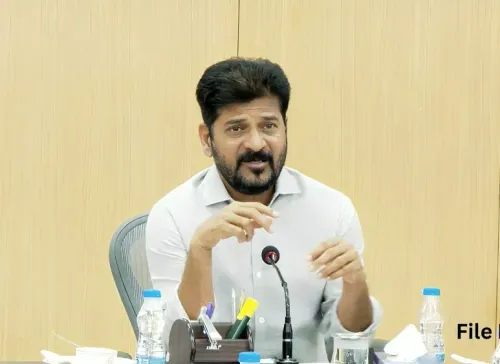
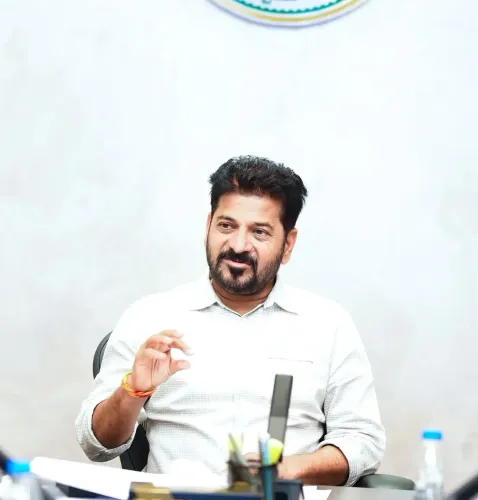
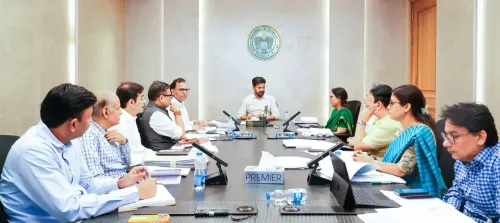
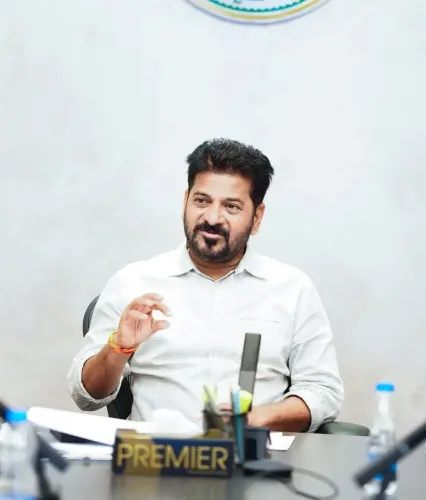
The Chief Minister's Office of Telangana announced on Thursday, 18 June 2026 that the state cabinet will henceforth conduct its meetings in a fully paperless format, branded the Telangana Digital Cabinet. The decision was taken at a cabinet meeting chaired by Chief Minister Revanth Reddy at the Dr. B.R. Ambedkar Telangana State Secretariat in Hyderabad.
What Was Decided
The Industries and IT Minister distributed dedicated tablets to Chief Minister Revanth Reddy, Deputy Chief Minister Mallu Bhatti Vikramarka, and all cabinet ministers present at the meeting. The move enables the government to run cabinet proceedings entirely through the digital platform. Going forward, cabinet meeting agendas and all related notes will be made available to ministers exclusively through e-books on their tablets, eliminating the circulation of physical files and printed documents.
The digital workflow was demonstrated live during the meeting itself, with ministers reviewing the tablet-based system before formally adopting it. The initiative has been tagged under the hashtags #DigitalCabinet, #SmartGovernance, and #Telangana by the official CMO account.
Context
Telangana, carved out as India's youngest state in 2014, has consistently leveraged its position as a major IT hub — anchored by Hyderabad — to push technology-led governance reforms. Chief Minister Revanth Reddy, in office since December 2023, has made administrative modernisation a stated priority of his government.
The paperless cabinet concept aligns with India's broader Digital India programme, launched in 2015, which encouraged states to shift government functions onto digital platforms to reduce costs and improve efficiency. Telangana's move is among the more formalised adoptions of this approach at the cabinet level.
Policy Backdrop
Several Indian states have experimented with digital cabinet systems over the past decade. States such as Andhra Pradesh and Maharashtra have previously piloted tablet-based cabinet proceedings, though the depth and continuity of implementation has varied. Telangana's announcement positions the Digital Cabinet as a systemic, institution-wide shift rather than a pilot.
By routing all agenda documents and ministerial notes through a centralised e-book platform, the state government aims to speed up decision-making, reduce paper procurement costs, and create a more auditable digital record of cabinet deliberations. The Secretariat staff responsible for preparing and distributing cabinet papers will also see their workflows significantly restructured.
Stakeholders and Impact
The immediate beneficiaries of the shift are the cabinet ministers and the administrative staff at the Dr. B.R. Ambedkar Telangana State Secretariat who manage the logistics of cabinet meetings. Reduced paper use lowers both the cost and the turnaround time for distributing meeting materials ahead of each session.
Broader implications extend to the state's IT and e-governance ecosystem. As Telangana formalises the Digital Cabinet, vendors and service providers supporting the underlying tablet and e-book infrastructure stand to be drawn into a sustained government technology engagement. Civil society groups focused on government transparency may also find digital records easier to track over time.
What's Next
The government is expected to issue formal orders codifying the paperless procedure for all future cabinet meetings. Observers will watch whether the Digital Cabinet model is extended to other layers of state administration — such as district-level review meetings or departmental committees — as a second phase. The robustness of the digital infrastructure, including data security protocols for sensitive cabinet documents, will be a key test of the initiative's long-term viability.
Point of View
Not merely a symbolic gesture — it institutionalises a digital workflow at the very apex of state decision-making. For CM Revanth Reddy, the initiative serves a dual purpose: it reinforces Telangana's identity as an IT-forward state and projects an image of reform-oriented governance ahead of future electoral cycles. The broader pattern of Indian states adopting e-governance tools suggests this is less a pioneering move than a consolidation of a decade-long trend, but Telangana's explicit branding as 'Digital Cabinet' gives it political visibility. The real test will be whether the infrastructure holds up under sustained use and whether the model cascades meaningfully into sub-cabinet administration.
NationPress
18 Sept 2026
Frequently Asked Questions
What is the Telangana Digital Cabinet?
The Telangana Digital Cabinet is a state government initiative that replaces printed files and paper documents in cabinet meetings with tablets and e-books. All agenda items and ministerial notes are now distributed digitally to ministers before and during cabinet sessions.
Who announced the Telangana Digital Cabinet?
The decision was announced by the Chief Minister's Office of Telangana. Chief Minister Revanth Reddy chaired the cabinet meeting at which the initiative was formally adopted on 18 June 2026.
Where are Telangana cabinet meetings held?
Telangana cabinet meetings are held at the Dr. B.R. Ambedkar Telangana State Secretariat in Hyderabad, which is the headquarters of the state government.
Which other Indian states have tried paperless cabinet meetings?
States including Andhra Pradesh and Maharashtra have previously piloted tablet-based or digital cabinet proceedings. Telangana's move is among the more formally institutionalised adoptions of the concept at the cabinet level in India.
What happens to cabinet documents under the Digital Cabinet system?
Under the Digital Cabinet system, all cabinet meeting agendas and related notes are made available to ministers exclusively through e-books on their dedicated tablets, eliminating the need for printed or physical files.