CM Rio Marks National Education Day, Cites Nagaland Literacy Gains

Synopsis
On National Education Day, 11 November 2026, Nagaland Chief Minister Neiphiu Rio highlighted the state's strong literacy performance and pledged continued focus on inclusive, quality education for all — framing learning as the cornerstone of Nagaland's future.
Key Takeaways
National Education Day is observed on 11 November each year since 2008 to mark the birth anniversary of Maulana Abul Kalam Azad , India's first Education Minister.
Nagaland has historically maintained a literacy rate above the national average, distinguishing it in the northeastern region.
CM Neiphiu Rio called for continued promotion of literacy and 'inclusive, quality education for all' on the occasion.
The state has aligned education programmes with the Right to Education Act, 2009 and focused on school infrastructure and teacher training.
Upcoming Nagaland education budget allocations will be a key indicator of whether today's commitment translates into policy action.
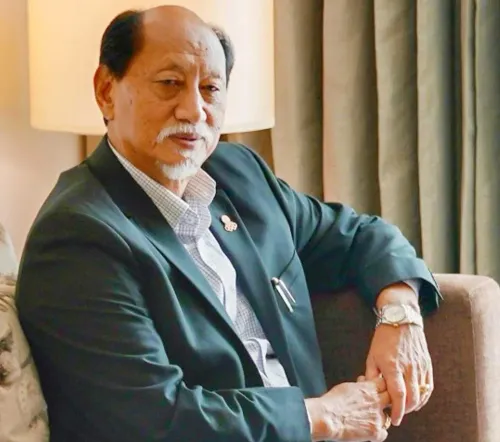
On National Education Day, 11 November 2026, Nagaland Chief Minister Neiphiu Rio reaffirmed his state's commitment to learning, pointing to what he described as strong literacy performance as evidence that the northeast's smallest states can punch above their weight in human development.
Why 11 November carries weight in India's education calendar
National Education Day has been observed every 11 November since 2008, marking the birth anniversary of Maulana Abul Kalam Azad — independent India's first Education Minister and the architect of its foundational higher-education institutions. The date is a standing prompt for states to take stock of where they stand on literacy, enrolment, and quality — and for chief ministers, it is a natural occasion to signal priorities.
Rio's post on X read: 'On #NationalEducationDay, we celebrate Nagaland's commitment to education and its role in shaping a brighter future. Our strong literacy performance reflects this commitment. Let us continue promoting literacy and ensuring inclusive, quality education for all.'
Nagaland's literacy edge in the northeastern picture
Nagaland has historically recorded literacy rates above the national average, a distinction that successive state governments have cited as a foundation for broader human development. The state has aligned its school-level programmes with national frameworks — including the Right to Education Act, 2009 — while focusing on school infrastructure upgrades and teacher training in a region where terrain and connectivity present unique logistical challenges.
Northeastern states have often had to make the case that geographic remoteness does not translate into educational neglect. Nagaland's performance on literacy metrics has been one of the clearer counterpoints to that assumption.
Rio's inclusive education call and what follows
The Chief Minister's emphasis on 'inclusive, quality education for all' signals an intent that goes beyond headline literacy numbers — it gestures toward access for students in remote villages, children with disabilities, and communities historically underserved by formal schooling. The phrase 'inclusive education' has specific policy resonance in India's current framework, touching on everything from special-needs integration to mother-tongue instruction in early grades.
What gives the statement forward momentum is what comes next: Nagaland's education budget allocations in the upcoming fiscal cycle will be the real test of how firmly these commitments are anchored in resources, not rhetoric. Observers will watch whether infrastructure spending and teacher-training outlays keep pace with the ambition Rio articulated today.
Nagaland has built a literacy legacy. The question now is whether the next chapter deepens it — or coasts on it.
Point of View
Claiming a literacy edge reinforces Nagaland's standing in the northeastern development narrative. The call for 'inclusive' education, however, points toward an unfinished agenda: access gaps for remote and marginalised communities remain a live challenge despite headline literacy gains. For the NDPP-led government, the credibility of this commitment will ultimately rest on the next education budget, not the post. The broader pattern across the northeast suggests that states with strong literacy foundations are increasingly pushing for quality and equity — the harder, costlier second phase of education reform.
NationPress
11 Nov 2026
Frequently Asked Questions
What is National Education Day and why is it on 11 November?
National Education Day is observed on 11 November every year since 2008 to commemorate the birth anniversary of Maulana Abul Kalam Azad , India's first Education Minister, who played a pivotal role in building the country's post-independence education institutions.
What did Nagaland CM Neiphiu Rio say on National Education Day 2026?
CM Neiphiu Rio celebrated Nagaland's 'strong literacy performance' and called on citizens to continue promoting literacy and ensuring inclusive, quality education for all in the state.
How does Nagaland's literacy rate compare to the national average?
Nagaland has historically recorded literacy rates above the national average, making it one of the better-performing states in the northeastern region on this metric. Specific recent figures are subject to the latest census data.
What education policies has Nagaland followed under Chief Minister Rio?
Nagaland has aligned its school-level efforts with national frameworks such as the Right to Education Act, 2009 , while prioritising school infrastructure development and teacher training across the state.
Who was Maulana Abul Kalam Azad?
Maulana Abul Kalam Azad was independent India's first Education Minister, instrumental in establishing foundational educational institutions. National Education Day has been observed on his birth anniversary, 11 November , since 2008 .