CM Rio Highlights Nagaland's Tourism Edge on World Tourism Day
Synopsis
Nagaland Chief Minister Neiphiu Rio used World Tourism Day 2026 to champion the state's tribal traditions, festivals like the Hornbill, and scenic landscapes — framing tourism as a force for cultural connection and community development.
Key Takeaways
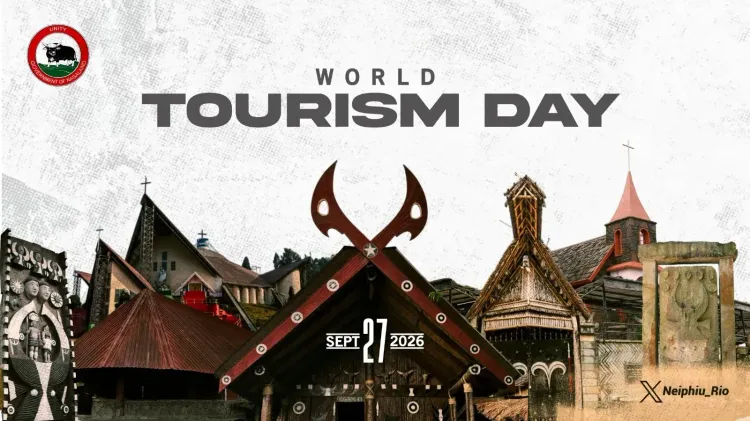
Nagaland CM Neiphiu Rio posted a World Tourism Day message on 27 September 2026 , inviting travellers to explore the state's heritage and culture.
Rio described tourism as 'more than travel' — emphasising its role in connecting people, cultures, and communities.
Nagaland has hosted the Hornbill Festival annually since 2000 , using it as a flagship cultural-tourism event.
Northeastern states have collectively used heritage festivals as economic and cultural development tools.
World Tourism Day is observed every 27 September by the UNWTO to highlight tourism's global significance.
On World Tourism Day, 27 September 2026, Nagaland Chief Minister Neiphiu Rio made a pointed case for his state as a must-visit destination — framing tourism not as leisure but as a bridge between peoples, cultures, and communities.
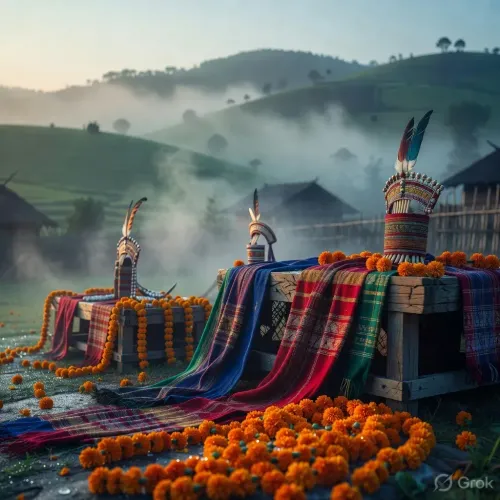
Rio posted: 'Tourism is more than travel. It connects people, cultures, heritage, and communities. Nagaland's rich traditions, vibrant festivals, scenic landscapes, and warm hospitality offer a unique experience. We welcome travellers to discover our heritage and culture.'
Nagaland's festival calendar as the tourism engine
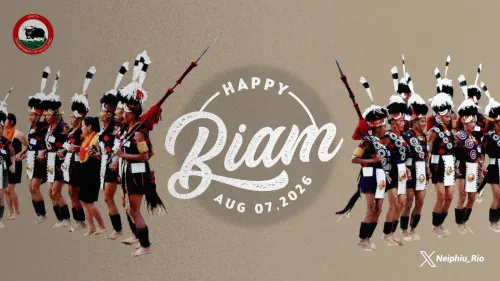
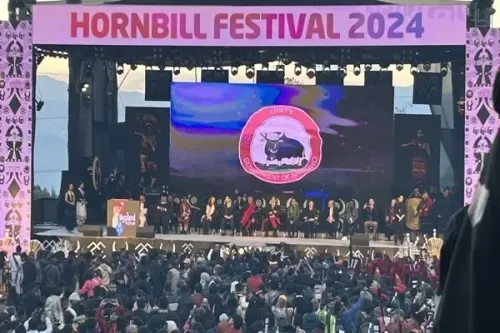
The statement is rooted in real strategic intent. Nagaland has anchored its cultural-tourism identity around the Hornbill Festival, held annually since 2000 at the Kisama Heritage Village near Kohima. Billed as the 'Festival of Festivals,' it brings together all of Nagaland's major tribes in a single, concentrated showcase of dance, music, crafts, and indigenous games — a deliberate policy choice to turn living heritage into an economic driver.
Northeastern states have long used cultural festivals and heritage circuits to build tourism pipelines in a region historically underserved by infrastructure investment. Nagaland's model — centering tribal identity rather than erasing it — has drawn significant domestic and international visitor interest over the decades.
Why Rio's framing on World Tourism Day carries weight
World Tourism Day is the annual observance of the UN World Tourism Organization (UNWTO), marked every 27 September to highlight tourism's cultural, social, and economic dimensions. For a state like Nagaland — where tourism intersects directly with community livelihoods, artisan economies, and the preservation of oral and material culture — the day is more than ceremonial messaging.
Rio's language — 'warm hospitality,' 'unique experience,' 'discover our heritage' — signals an outward pitch to travellers, consistent with the state's sustained effort to position the northeast as a premium experiential-travel corridor, not merely an adventure detour.
With the next Hornbill Festival season approaching in December, Rio's World Tourism Day post lands at exactly the moment when awareness-building carries the most commercial and cultural impact. If Nagaland announces new tourism policy measures or expanded festival programming in the weeks ahead, this public positioning will have served as the opening note.
Point of View
But it sits within a consistent, multi-decade state strategy of leveraging tribal identity as a tourism brand — a model that has given Nagaland outsized visibility relative to its size. For the NDPP government, sustained cultural-tourism promotion serves a dual purpose: it drives visitor revenue into community economies and reinforces the state's distinct identity within the Indian federal structure. The timing, weeks before the Hornbill Festival season, suggests the messaging is calibrated as much toward domestic and international travel planners as toward any political audience. Whether promotional goodwill translates into concrete policy announcements — infrastructure upgrades, artisan support schemes, connectivity improvements — will be the real measure of intent.
NationPress
27 Sept 2026
Frequently Asked Questions
What did Nagaland CM Neiphiu Rio say on World Tourism Day 2026?
CM Neiphiu Rio said tourism 'connects people, cultures, heritage, and communities,' and invited travellers to discover Nagaland's traditions, festivals, landscapes, and hospitality.
When is World Tourism Day celebrated?
World Tourism Day is observed every year on 27 September , as designated by the UN World Tourism Organization (UNWTO).
What is the Hornbill Festival in Nagaland?
The Hornbill Festival is Nagaland's annual cultural showcase, held since 2000 at Kisama Heritage Village near Kohima. It brings together all major Naga tribes in a celebration of music, dance, crafts, and indigenous traditions.
Why is Nagaland known for cultural tourism?
Nagaland is home to more than a dozen major tribal communities, each with distinct traditions, crafts, and festivals. The state has actively promoted this heritage, particularly through the Hornbill Festival, to position itself as a premier cultural-tourism destination in northeast India.