CM Manik Saha Joins Durga Puja Parikrama at Maharajganj Bazar
Synopsis
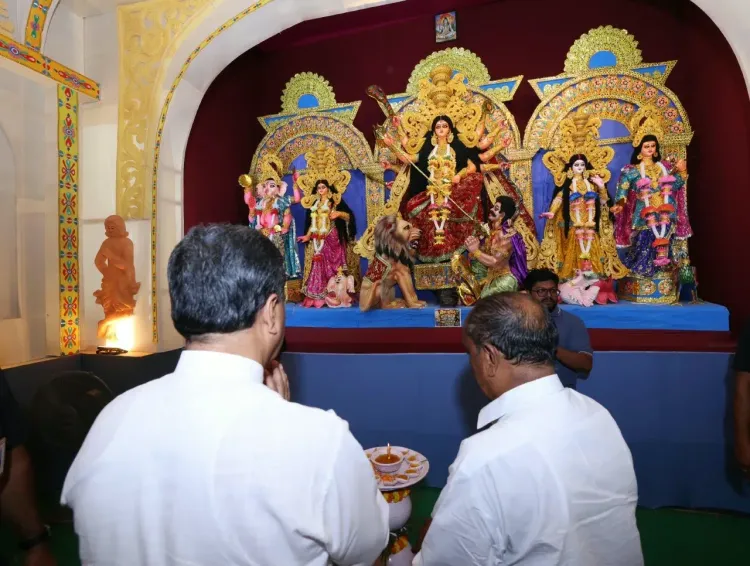
Tripura Chief Minister Dr. Manik Saha joined the Durga Puja Parikrama on Maha Shashthi evening, visiting the Matsya Byabshayi Samiti pandal at Maharajganj Bazar in Agartala on October 16, 2026, in keeping with the state's festival tradition of CM outreach to trading communities.
Key Takeaways
Manik Saha , Chief Minister of Tripura, visited Maharajganj Bazar on Maha Shashthi evening, October 16, 2026 .
The visit was part of his Durga Puja Parikrama — a traditional round of pandal visits during the festival.
He stopped at the pandal of the Matsya Byabshayi Samiti , the fish traders' association at Maharajganj Bazar.
Maha Shashthi marks the ceremonial start of the five-day Durga Puja festival, considered especially significant in Tripura and West Bengal.
The visit reflects a long-standing practice of Tripura Chief Ministers engaging informally with market and trader communities during the festival season.
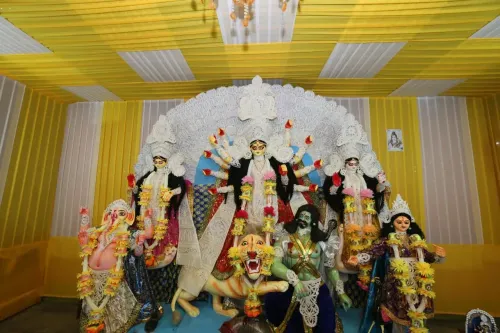
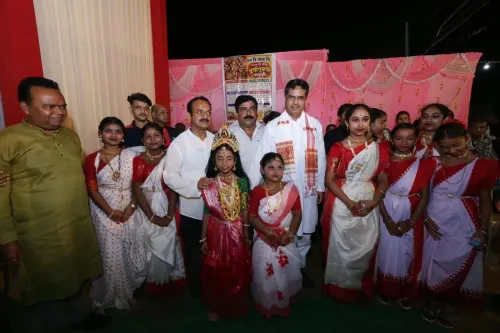
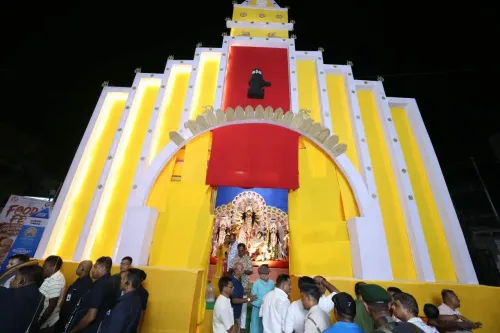
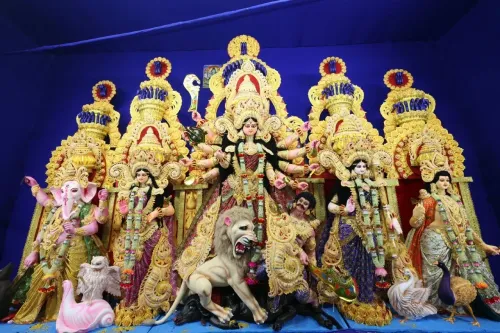
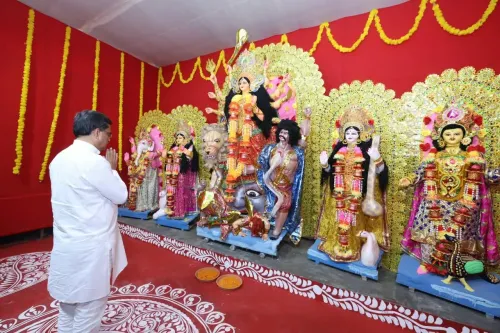
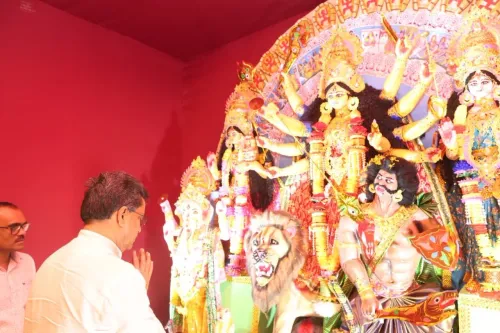
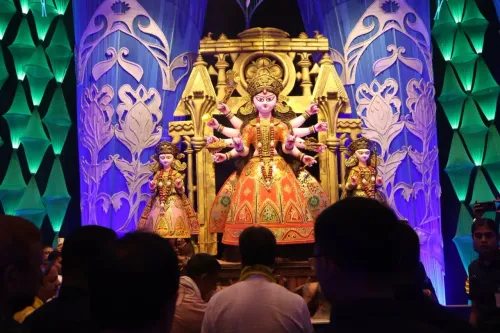
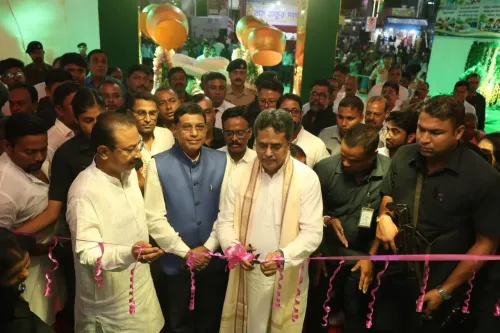
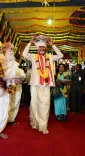
On the evening of Maha Shashthi, Tripura Chief Minister Dr. Manik Saha stepped into the festive lanes of Maharajganj Bazar in Agartala on Friday, October 16, 2026, joining the Durga Puja Parikrama — the traditional procession of pandal visits — at the Matsya Byabshayi Samiti, the fish traders' association that has long anchored community life at the bustling market.
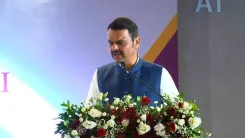
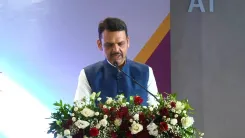
Dr. Saha posted four images from the visit on X, captioning them in Bengali: 'মহা ষষ্ঠীর সন্ধ্যায়, দুর্গা পূজা পরিক্রমায় - মৎস্য ব্যবসায়ী সমিতি, মহারাজগঞ্জ বাজার' — 'On the evening of Maha Shashthi, during the Durga Puja Parikrama — Matsya Byabshayi Samiti, Maharajganj Bazar.' The post offered a direct window into the Chief Minister's engagement with grassroots trading communities at the heart of the festival season.
Maha Shashthi and the parikrama tradition
Maha Shashthi marks the formal beginning of the five-day Durga Puja calendar, the evening on which the goddess is believed to awaken and her eyes are ritually unveiled. Across West Bengal and Tripura — the two states where the festival carries the deepest cultural weight — the parikrama tradition sees residents and public figures alike move from pandal to pandal, offering respects and strengthening community bonds. The atmosphere on Shashthi evening is characteristically electric: lights, drumbeats, the smell of incense, and crowds spilling out of neighbourhood clubs and market associations.Fish traders, festive pandals, and the Maharajganj connection
Maharajganj Bazar is one of Agartala's most active commercial hubs, and the Matsya Byabshayi Samiti — the fish traders' association — is among its prominent community organisations. Market associations in Tripura have historically run Durga Puja committees that double as neighbourhood welfare bodies, organising elaborate pandals and cultural programmes throughout the festival. A Chief Minister's visit to such a committee carries both ceremonial and symbolic weight: it signals recognition of the informal economy and the tens of thousands of small traders who sustain it. In Tripura, Chief Ministers have routinely incorporated market and trader-association pandal visits into their Durga Puja itineraries — a practice that blends cultural participation with accessible, informal engagement at the ground level, far removed from formal government events. With Maha Shashthi setting the tone, the four days ahead — Saptami, Ashtami, Navami, and Vijaya Dashami — will bring the festival to its peak, and all eyes will be on whether Dr. Saha's parikrama continues across other communities and associations in the state.Point of View
Grassroots cultural participation — especially in states where Bengali Hindu identity and festival politics intersect closely. In Tripura, where the party has worked to consolidate support among small traders and the informal economy, such visits carry a quiet but deliberate signal of proximity to ordinary livelihoods. The timing — early in the five-day festival — suggests this is likely the first stop in a wider itinerary, and any subsequent visits or announcements on trader welfare will reveal whether the parikrama carries policy intent beyond ceremony.
NationPress
16 Oct 2026
Frequently Asked Questions
What is Durga Puja Parikrama?
Durga Puja Parikrama is the tradition of visiting multiple Durga Puja pandals during the festival, moving from one community or neighbourhood celebration to another. It is especially popular in Tripura and West Bengal.
Where is Maharajganj Bazar located?
Maharajganj Bazar is a prominent commercial market located in Agartala, the capital of Tripura.
What is the Matsya Byabshayi Samiti?
The Matsya Byabshayi Samiti is the fish traders' association at Maharajganj Bazar in Agartala, Tripura. It organises a Durga Puja pandal as part of its community activities.
What is Maha Shashthi in Durga Puja?
Maha Shashthi is the first major day of the five-day Durga Puja festival, when the goddess is ceremonially welcomed and her eyes are ritually unveiled in the evening. It falls on the sixth lunar day of the bright fortnight in the month of Ashwin.
Why do Chief Ministers visit pandals during Durga Puja?
Chief Ministers in states like Tripura and West Bengal visit Durga Puja pandals as a mix of cultural participation and community outreach. The visits allow informal engagement with neighbourhood organisations, market associations, and local residents outside formal government settings.