CM Manik Saha marks 118th birth anniversary of Maharaja Bir Bikram
Synopsis
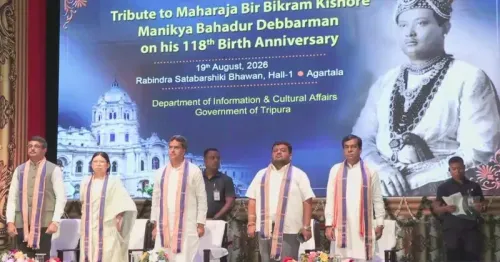
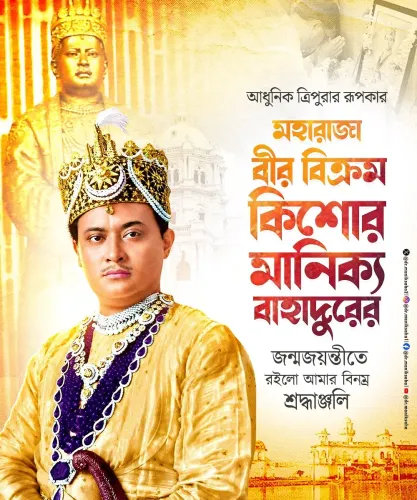
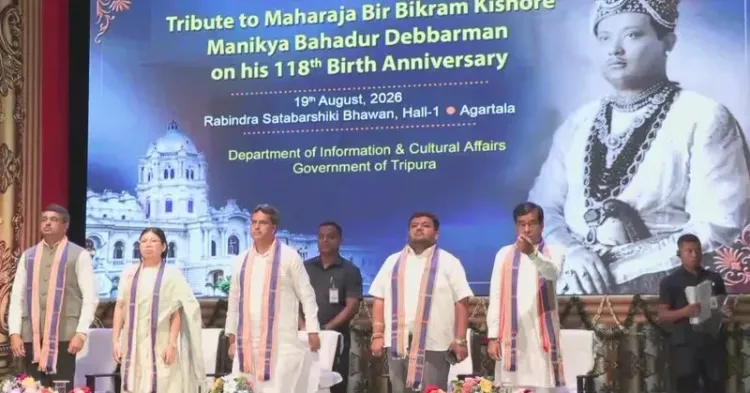
Tripura Chief Minister Dr. Manik Saha hosted a live broadcast on 19 August 2026 to observe the 118th birth anniversary of Maharaja Bir Bikram Kishore Manikya Bahadur, the last ruling king of Tripura, remembered for modernising the princely state before its 1949 accession to India.
Key Takeaways
Manik Saha hosted a live broadcast on 19 August 2026 to mark the occasion.
The anniversary commemorates 118 years since the birth of Maharaja Bir Bikram Kishore Manikya Bahadur .
Maharaja Bir Bikram ruled Tripura from 1923 to 1947 , credited with administrative reforms, infrastructure development, and education expansion.
Tripura acceded to the Indian Union in 1949 , two years after the end of his reign.
Such birth anniversary observances are a regular feature of state cultural programming across India, particularly for former princely-state rulers.
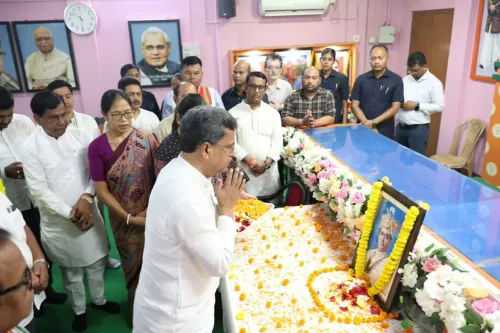
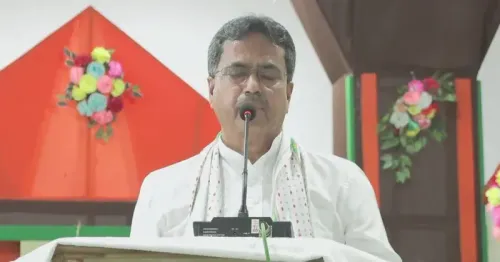
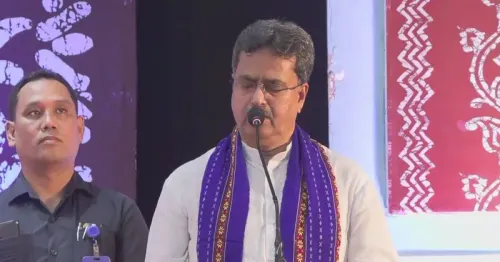
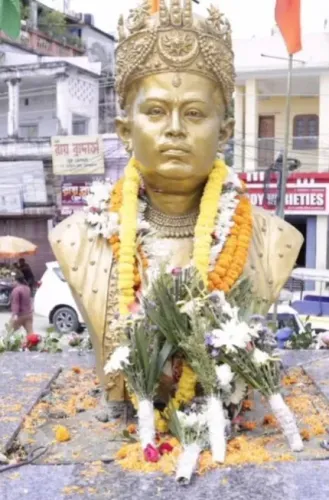
A century and eighteen years after his birth, Maharaja Bir Bikram Kishore Manikya Bahadur — the last ruling king of Tripura — was remembered on Wednesday, 19 August 2026, with a live broadcast hosted by Chief Minister Dr. Manik Saha to mark the occasion.
The king who modernised a princely state
Maharaja Bir Bikram ruled the princely state of Tripura from 1923 until 1947 and left a legacy that Tripura's heritage groups still invoke. His reign is credited with sweeping administrative reforms, expansion of road and infrastructure networks, and a push for formal education across a state that sat on India's northeastern frontier. He is widely regarded as the architect of modern Tripura, a figure who brought the princely state into the twentieth century before its accession to the Indian Union in 1949.A Manikya dynasty tradition kept alive
Across India, state governments routinely mark the birth anniversaries of former rulers from princely states — a practice that weaves regional history into contemporary public life. In Tripura, the Manikya dynasty holds particular cultural weight. Dr. Saha joining a live broadcast to observe the anniversary continues this tradition, signalling the current administration's acknowledgement of the dynasty's role in shaping the state's identity before it became part of independent India. Heritage groups in Tripura have long called for greater conservation of Manikya-era sites, and state-level cultural programmes tied to such anniversaries often serve as focal points for those conversations.Point of View
Reflecting how state administrations are using digital platforms for heritage programming. The broader pattern across BJP-governed states shows a deliberate effort to reclaim and celebrate regional historical figures as part of a wider civilisational-pride narrative. For Tripura specifically, keeping the Manikya legacy visible also reinforces the state's distinct northeastern identity within the national conversation.
NationPress
4 Oct 2026
Frequently Asked Questions
Who was Maharaja Bir Bikram Kishore Manikya Bahadur?
Maharaja Bir Bikram Kishore Manikya Bahadur was the last ruling king of the princely state of Tripura, reigning from 1923 to 1947. He is remembered for modernising the state through administrative reforms, infrastructure development, and expansion of education.
When did Tripura merge with India?
Tripura acceded to the Indian Union in 1949, two years after Indian independence and the end of Maharaja Bir Bikram's reign.
Why is Manik Saha marking Maharaja Bir Bikram's anniversary?
Tripura Chief Minister Dr. Manik Saha hosted a live broadcast to observe the 118th birth anniversary as part of the state government's cultural programming, which regularly commemorates the Manikya dynasty's contributions to Tripura's history.
What is the significance of the Manikya dynasty in Tripura?
The Manikya dynasty ruled Tripura for centuries and is credited with shaping the state's administrative and cultural identity. Maharaja Bir Bikram in particular is regarded as a modernising force who built infrastructure and promoted education before accession.
What did Maharaja Bir Bikram do for Tripura?
During his reign from 1923 to 1947, Maharaja Bir Bikram introduced administrative reforms, expanded road networks and infrastructure, and promoted formal education across the princely state, earning recognition as a key figure in Tripura's pre-accession development.