CM Manik Saha Reviews Tripura Flood Preparedness at TIFT War Room
Synopsis
Tripura Chief Minister Dr. Manik Saha chaired a flood preparedness review at the TIFT War Room on 11 July 2026, stressing inter-departmental coordination and swift response mechanisms as the monsoon season intensifies across the northeastern state.
Key Takeaways
Manik Saha reviewed Tripura's flood preparedness and disaster management strategy on 11 July 2026 .
The review was held at the War Room of TIFT during the active monsoon season.
Key areas of emphasis included proactive planning , inter-departmental coordination , and swift response mechanisms .
Tripura is vulnerable to seasonal flooding from rivers including the Gomati and Manu , compounded by trans-boundary river dynamics with Bangladesh .
The state's disaster management framework operates under the National Disaster Management Act of 2005 and the Tripura SDMA .
The government reiterated its commitment to protecting the 'safety, security, and well-being of every citizen' through timely and efficient disaster response.
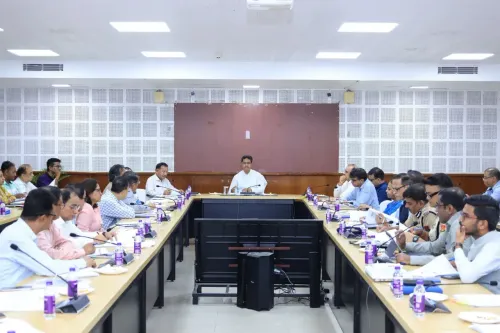
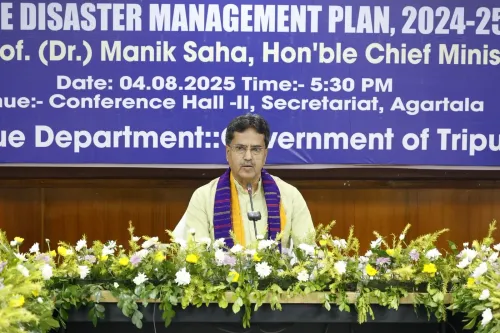
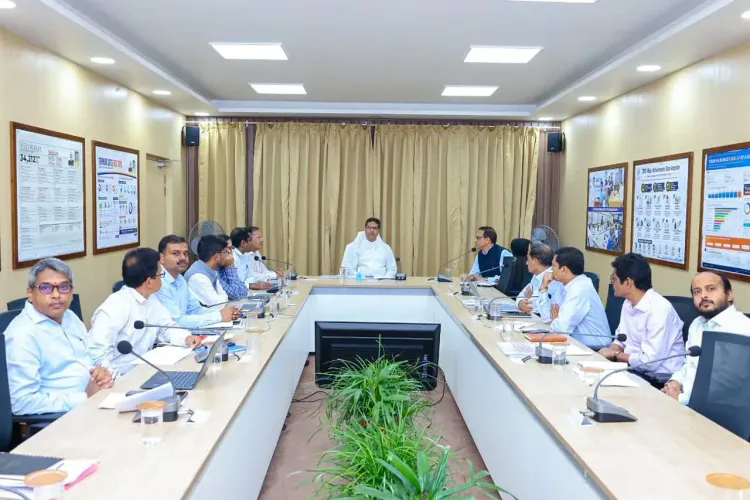
Tripura Chief Minister Dr. Manik Saha on Saturday, 11 July 2026, chaired a flood preparedness and disaster management review at the War Room of the Tripura Institute of Fisheries Technology (TIFT), underscoring the state government's commitment to protecting lives and property ahead of the peak monsoon period. The review focused on proactive planning, inter-departmental coordination, and swift response mechanisms to manage emergencies and minimise their impact.
Context
The review comes as the June–September monsoon season intensifies across northeastern India, a period during which Tripura is historically vulnerable to flooding from rivers such as the Gomati and the Manu. The state shares a long border with Bangladesh, and trans-boundary river dynamics frequently amplify flood risk during heavy rainfall events. Dr. Saha emphasised 'proactive planning' and 'swift response mechanisms' as the twin pillars of the government's strategy.
In his post, the Chief Minister stated that the government 'remains fully committed to protecting lives and property by ensuring timely action, efficient disaster response, and the highest level of preparedness for the safety, security, and well-being of every citizen.'
Policy Backdrop
India's disaster management architecture is anchored in the National Disaster Management Act of 2005, which mandated the creation of State Disaster Management Authorities (SDMAs) across all states. The Tripura SDMA was constituted in the years following the Act and is responsible for coordinating flood preparedness, early-warning dissemination, and inter-agency response within the state.
Successive administrations at both the central and state levels have reinforced the National Disaster Management Plan, which prioritises inter-departmental coordination and real-time communication during emergencies. War-room-style review meetings at the onset of and during the monsoon have become standard administrative practice for northeastern states that face recurrent seasonal flooding.
Stakeholders and Impact
The communities most directly affected by Tripura's annual flooding are those in low-lying and riverine districts, where inundation can displace thousands and damage agricultural land, infrastructure, and homes. Multiple state departments — including revenue, public works, health, and rural development — are expected to coordinate under the framework reviewed at the TIFT War Room session.
The emphasis on inter-departmental coordination signals an effort to reduce the siloed response that has historically slowed relief operations in northeastern states. Efficient early-warning systems and pre-positioned relief materials are central to minimising both human and economic losses during flood events.
What's Next
Attention will now turn to field-level implementation of the preparedness strategy, including the activation of early-warning mechanisms and the readiness of district-level response teams across flood-prone areas of Tripura. Any significant deterioration in the flood situation could prompt the state to seek central assistance under the National Disaster Response Fund (NDRF) or request deployment of additional response personnel. Updates from the Tripura State Disaster Management Authority during the remainder of the monsoon season will indicate how effectively the reviewed strategy translates into on-ground action.
Point of View
The emphasis on inter-departmental coordination and proactive planning reflects an effort to institutionalise rather than improvise emergency management. The BJP-led government's framing — centred on citizen safety and 'timely action' — also carries political weight in a state where monsoon disruptions directly affect rural livelihoods and voter sentiment. This review fits a broader pattern of northeastern chief ministers using disaster preparedness optics to signal administrative competence ahead of potential flood emergencies.
NationPress
10 Oct 2026
Frequently Asked Questions
Why did Tripura CM Manik Saha hold a flood preparedness review in July 2026?
Chief Minister Dr. Manik Saha convened the review at the TIFT War Room on 11 July 2026 in response to the ongoing monsoon season, during which Tripura faces heightened flood risk from rivers like the Gomati and Manu.
What is the TIFT War Room used for in Tripura?
The War Room at TIFT serves as a coordination hub for the state government to monitor and manage disaster situations, including flood emergencies, during the monsoon season.
What is the Tripura State Disaster Management Authority?
The Tripura State Disaster Management Authority (SDMA) was constituted under the National Disaster Management Act of 2005 and is responsible for coordinating flood preparedness, early-warning systems, and emergency response across the state.
How does Tripura manage flood risk during the monsoon?
Tripura manages flood risk through inter-departmental coordination, early-warning mechanisms, pre-positioned relief materials, and reviews of preparedness strategy under the framework of the National Disaster Management Plan and the state SDMA.
Which rivers cause flooding in Tripura during the monsoon?
The Gomati and Manu rivers are among the primary sources of seasonal flooding in Tripura, with trans-boundary river dynamics along the Bangladesh border further amplifying flood risk during heavy rainfall.