CM Manik Saha meets Gadkari to push Tripura NH projects
Synopsis
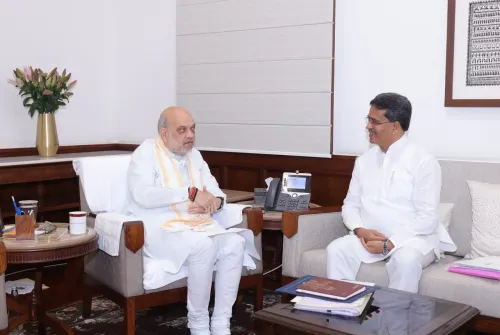
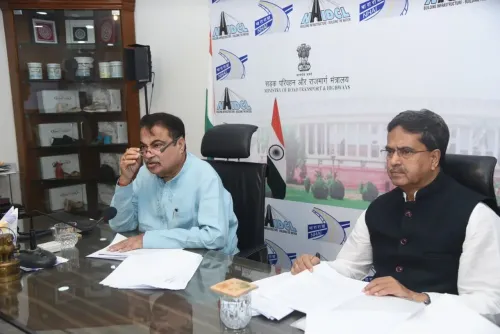
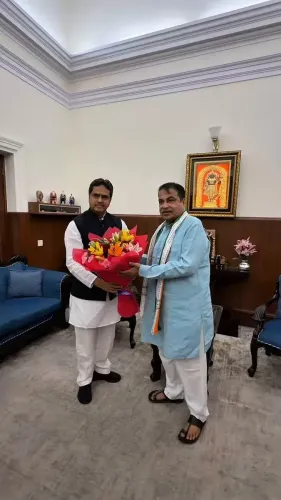
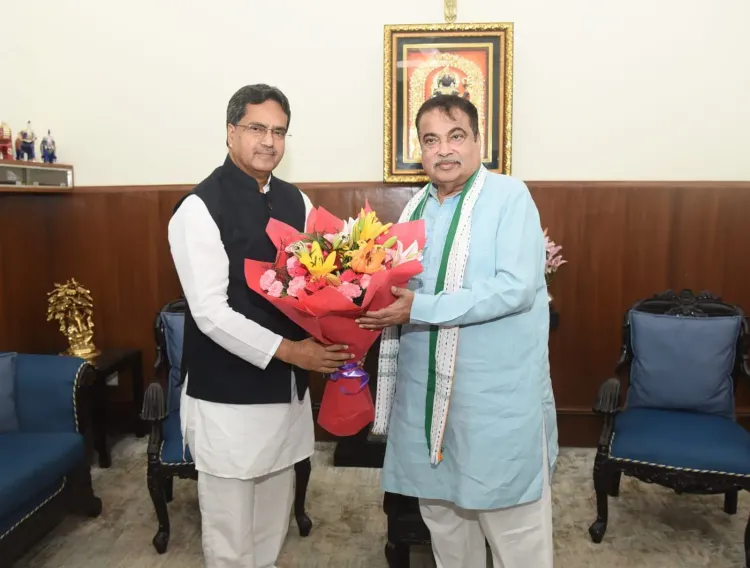
Tripura Chief Minister Dr. Manik Saha met Union Minister Nitin Gadkari in New Delhi on 1 July 2026 to expedite ongoing National Highway projects and push new road infrastructure initiatives in Tripura, reinforcing the Northeast connectivity agenda under Bharatmala Pariyojana and the Act East Policy.
Key Takeaways
Manik Saha met Nitin Gadkari in New Delhi on 1 July 2026 to discuss National Highway development in Tripura.
Discussions focused on expediting ongoing NH projects and advancing new road infrastructure initiatives in the state.
Tripura's road connectivity push is backed by the Bharatmala Pariyojana , launched in 2015 , which covers multiple Northeast corridors.
The meeting aligns with the Act East Policy , which prioritises physical connectivity between the Northeast and Southeast Asia.
Specific project names, funding figures, and timelines from the meeting remain unconfirmed pending official announcements.
Key beneficiaries include Tripura residents and Northeast traders who rely on improved road links for commerce and mobility.
Tripura Chief Minister Dr. Manik Saha met Union Minister for Road Transport and Highways Shri Nitin Gadkari in New Delhi on 1 July 2026 to discuss accelerating ongoing National Highway projects in the state and advancing new road infrastructure initiatives aimed at strengthening connectivity in the Northeast.
Context
Dr. Saha described the meeting as 'fruitful', with discussions centred on 'expediting ongoing National Highway projects in Tripura and advancing new road infrastructure initiatives to further strengthen connectivity.' The engagement signals Tripura's continued push to close its infrastructure gap with other states, a priority that has gathered pace since 2014.
Tripura, a landlocked northeastern state bordering Bangladesh, has historically faced significant road connectivity constraints due to difficult terrain and limited highway corridors. Improving these links is seen as critical both for residents and for regional trade.
Policy Backdrop
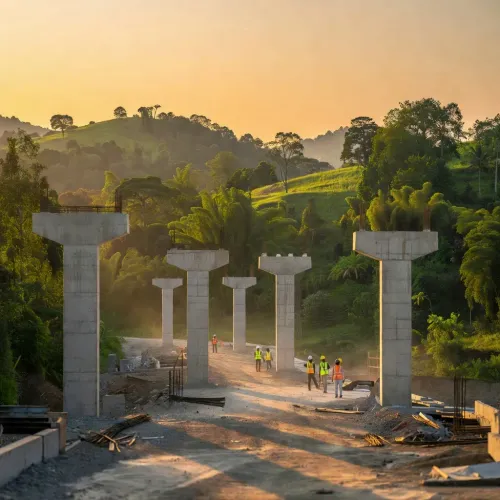
The meeting sits within two major policy frameworks. The Bharatmala Pariyojana, launched in 2015, is the central government's flagship highway development programme that includes multiple corridors across the Northeast, with Tripura among the beneficiary states. Progress on these corridors has been a recurring agenda item between state and central leadership.
Complementing this is the Act East Policy, articulated from 2014 onward, which prioritises physical connectivity between northeastern states and Southeast Asia. Better National Highway infrastructure in Tripura is integral to that vision, given the state's geographic proximity to Bangladesh and beyond.
Nitin Gadkari has helmed the Ministry of Road Transport and Highways since 2014, overseeing one of the most expansive national highway expansion drives in India's history. His ministry has been a key interlocutor for northeastern states seeking faster project clearances and fund releases.
Stakeholders and Impact
The most direct beneficiaries of improved National Highway connectivity in Tripura are the state's residents, who depend on road networks for access to goods, services, and economic opportunity. Better highways reduce travel time, lower logistics costs, and improve access to markets in the rest of India.
Northeast traders also stand to gain significantly. Enhanced road links can facilitate smoother movement of goods across state borders and, in the longer term, support cross-border trade through Bangladesh under bilateral agreements. The central government has consistently framed Northeast highway investment as a catalyst for regional economic integration.
What's Next
Specific project names, funding figures, and revised timelines discussed in the 1 July 2026 meeting have not yet been placed on public record. Announcements on particular NH corridors or fresh allocations could follow through official ministry communications or the next Union Budget.
The meeting reinforces a pattern of state-centre engagement on Northeast infrastructure that has intensified over the past decade. Sustained follow-through on project timelines will be the key indicator of whether this round of discussions translates into on-ground acceleration for Tripura's highway network.
Point of View
Road infrastructure is not merely a development metric but a strategic lever — better highways underpin both internal economic integration and the state's role as a potential trade gateway to Bangladesh. The meeting signals that Tripura's leadership is actively managing project momentum ahead of what could be a consequential budget cycle for Northeast allocations. Whether this engagement yields concrete timeline revisions will test the durability of the Centre's stated commitment to the Act East Policy on the ground.
NationPress
30 Sept 2026
Frequently Asked Questions
Why did Tripura CM Manik Saha meet Nitin Gadkari?
Tripura Chief Minister Dr. Manik Saha met Union Minister Nitin Gadkari on 1 July 2026 in New Delhi to discuss expediting ongoing National Highway projects in Tripura and advancing new road infrastructure initiatives to strengthen connectivity in the state.
Which highway scheme covers Tripura road projects?
The Bharatmala Pariyojana, launched in 2015, is the central government's flagship highway programme that includes multiple corridors across the Northeast, with Tripura among the beneficiary states.
What is the Act East Policy and how does it relate to Tripura?
The Act East Policy, articulated from 2014, prioritises physical connectivity between India's northeastern states and Southeast Asia. Tripura, which borders Bangladesh, is a key node in this connectivity vision, making National Highway development there strategically significant.
What are the main connectivity challenges in Tripura?
Tripura is a landlocked northeastern state with difficult terrain and historically limited highway corridors, making road connectivity a longstanding challenge for residents and traders alike.
What will happen after the Saha-Gadkari meeting on Tripura highways?
Specific project timelines and funding details from the 1 July 2026 meeting are yet to be made public. Formal announcements on NH corridors or fresh allocations are expected through ministry communications or the next Union Budget.