CM Sai Pledges Youth Skill Push for Viksit Chhattisgarh
Synopsis
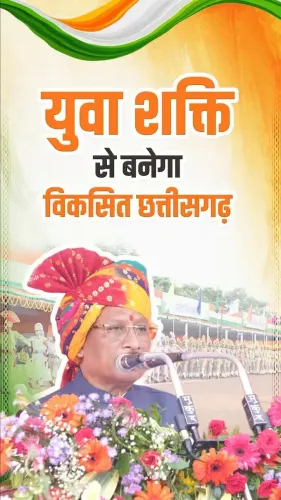
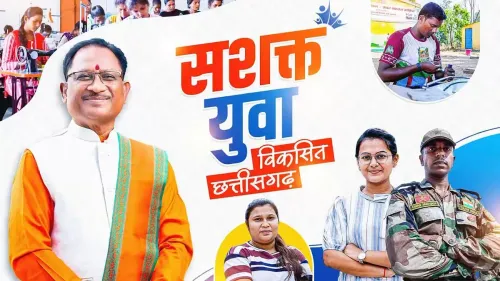
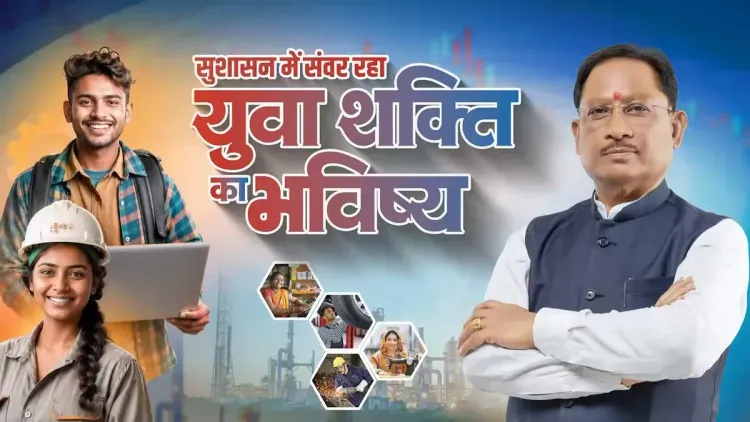
Chhattisgarh Chief Minister Vishnu Deo Sai on 19 July 2026 declared that the state's future will be shaped by youth talent and hard work, reaffirming his government's resolve to connect every young person with skill training and new opportunities under the Viksit Chhattisgarh vision.
Key Takeaways
CM Vishnu Deo Sai posted on 19 July 2026 pledging to connect every Chhattisgarh youth with opportunity, skill, and new possibilities.
The statement frames youth talent and hard work as the foundation of a 'Viksit Chhattisgarh' — a developed Chhattisgarh.
The BJP government in Chhattisgarh, in office since December 2023 , listed skill training and reducing out-migration among its core priorities.
The pledge aligns with the national Skill India Mission (launched 2015) and the broader Viksit Bharat 2047 framework.
Key indicators to watch include youth skill enrolment data, placement rates, and dedicated allocations in the next Chhattisgarh state budget .
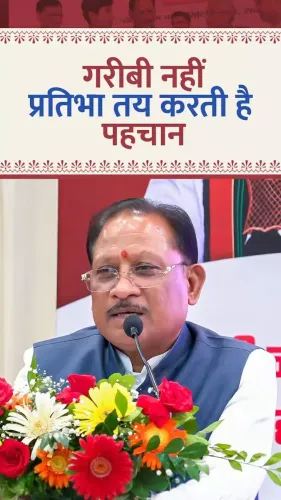
Chhattisgarh Chief Minister Vishnu Deo Sai on Sunday, 19 July 2026 reaffirmed his government's commitment to connecting every young person in the state with opportunity, skill training, and new possibilities, framing youth talent and hard work as the foundation of a developed Chhattisgarh.
Context
Posting in Hindi on X, CM Sai wrote: 'Viksit Chhattisgarh ka bhavishy yuvaon ki pratibha aur parishram se hi aakar lega' — 'The future of a developed Chhattisgarh will be shaped by the talent and hard work of its youth.' He added that his government is 'resolved to connect every young person with opportunity, skill, and new possibilities.'
The statement comes as Chhattisgarh, a mineral-rich state in central India with a significant tribal population, continues to position human capital development alongside industrial growth as twin pillars of its governance agenda.
Policy Backdrop
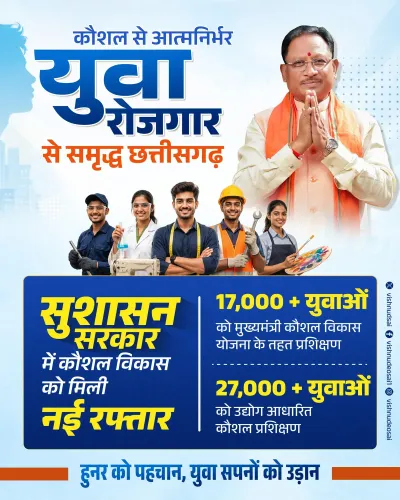
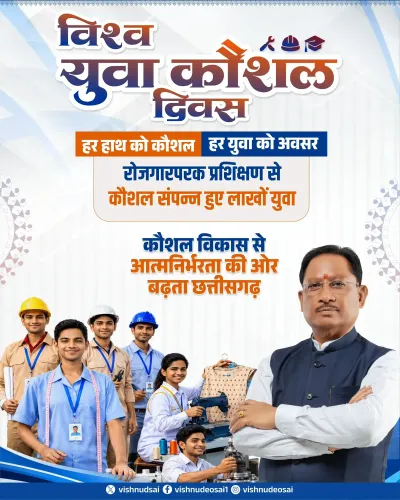
The BJP government that took office in Chhattisgarh in December 2023 under CM Sai listed skill training and reducing out-migration for employment among its stated priorities from the outset. These goals align with the national Skill India Mission, launched in 2015, which aims to train hundreds of millions of Indians in job-relevant skills across sectors.
At the broader level, the messaging echoes the Viksit Bharat 2047 vision — the central government's long-term framework to make India a developed nation by its centenary of independence — which treats the demographic dividend as a strategic asset requiring active state investment in youth capability.
Several other BJP-ruled states have pursued parallel youth-focused initiatives linking local talent pipelines to industrial and service-sector growth, making Chhattisgarh's approach part of a recognisable pattern within the party's governance philosophy.
Stakeholders and Impact
Chhattisgarh's youth and job-seekers stand as the primary audience for this pledge. The state's tribal belt and semi-urban districts have historically seen significant migration to other states for work, a trend the current administration has sought to reverse by building local skill ecosystems.
For industries operating or planning to invest in the state — particularly in mining, manufacturing, and emerging sectors — a stronger local talent pipeline would reduce dependence on outside labour and lower recruitment costs. Civil society organisations working on tribal education and livelihood programmes are also key stakeholders in how such commitments translate into ground-level delivery.
What's Next
Observers will watch for concrete follow-through in the form of dedicated youth employment allocations in the next Chhattisgarh state budget, announcements of new skill development centres, or formal tie-ups with industry bodies. Whether this statement precedes a specific scheme launch or policy announcement will determine its immediate policy weight. The government's track record on translating such commitments into measurable outcomes — enrolment numbers, placement rates, and wage data — will be the ultimate test of the vision outlined by CM Sai.
Point of View
Signalling that Chhattisgarh intends to anchor its development story on human capital rather than mineral wealth alone. The emphasis on youth talent is also a political signal to a demographic that voted in large numbers in 2023 and will be central to the next electoral cycle. Without specific scheme announcements or budget commitments attached, however, the statement remains aspirational — and its credibility will hinge on verifiable delivery metrics in the months ahead. The recurring pattern of such pledges across BJP-ruled states suggests a coordinated communication strategy as much as a standalone policy moment.
NationPress
18 Oct 2026
Frequently Asked Questions
What did Chhattisgarh CM Vishnu Deo Sai say about youth on 19 July 2026?
CM Vishnu Deo Sai stated that the future of a developed Chhattisgarh will be shaped by the talent and hard work of its youth, and that his government is committed to connecting every young person with opportunity, skill training, and new possibilities.
What is the Viksit Chhattisgarh vision?
'Viksit Chhattisgarh' refers to the state government's development goal of building a prosperous Chhattisgarh, aligned with the central government's broader 'Viksit Bharat 2047' framework that aims to make India a developed nation by 2047.
What is the BJP government in Chhattisgarh doing for youth employment?
Since taking office in December 2023, the BJP government under CM Sai has listed skill training and reducing out-migration for employment among its priorities, working in conjunction with national programmes such as the Skill India Mission.
What is the Skill India Mission and how does it relate to Chhattisgarh?
The Skill India Mission is a national programme launched in 2015 to train millions of Indians in job-relevant skills. Chhattisgarh's state-level youth skill initiatives are designed to complement and build upon this national framework.
What should we watch for after CM Sai's youth pledge?
Key things to watch include specific scheme announcements, dedicated youth employment budget allocations in the next Chhattisgarh state budget, and measurable outcomes such as skill enrolment numbers and placement rates.