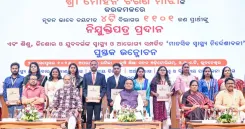
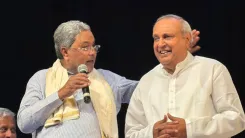
CM Sai Hosts Hareli Tihar at Official Residence
Synopsis
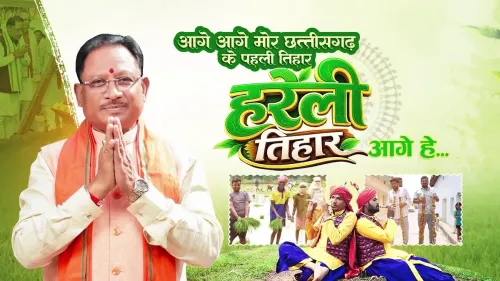
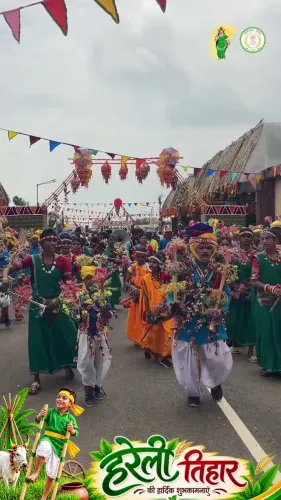
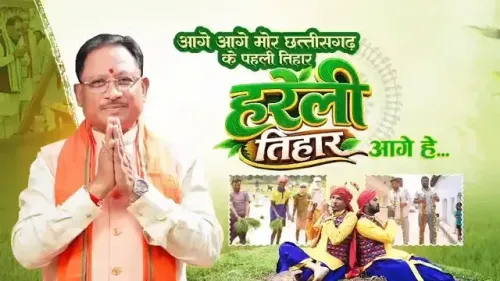
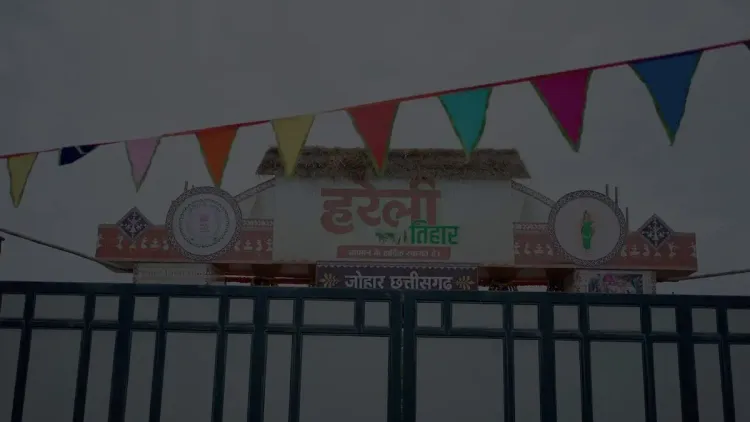
Chhattisgarh Chief Minister Vishnu Deo Sai celebrated Hareli Tihar 2026 at his official residence in Raipur on 12 August, showcasing folk music, dance, traditional games, and rural customs of the state's distinct agrarian and tribal heritage.
Key Takeaways
CM Vishnu Deo Sai hosted Hareli Tihar 2026 at the Chief Minister's official residence in Raipur on 12 August 2026 .
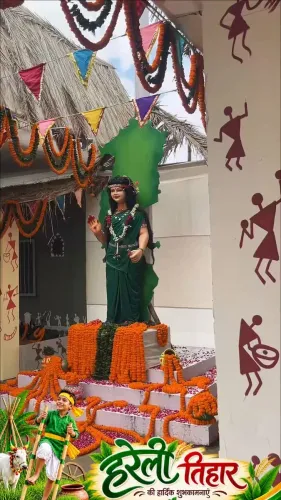
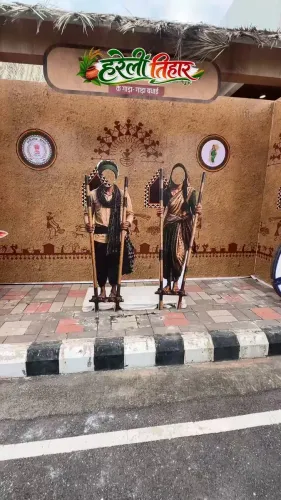
The event featured folk music, dance, traditional games, and displays of rural Chhattisgarhi village life.
Hareli is Chhattisgarh's first major festival of the year, tied to the monsoon season and the state's agrarian and tribal traditions.
Chhattisgarh governments have regularly used state venues to promote local heritage since the state's formation in 2000 .
CM Sai has been in office since December 2023 , continuing the tradition of state-supported cultural celebrations.
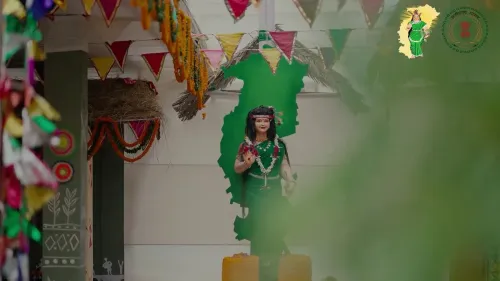
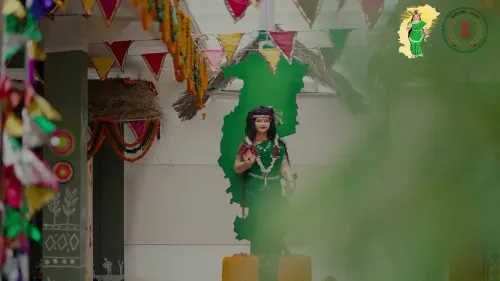
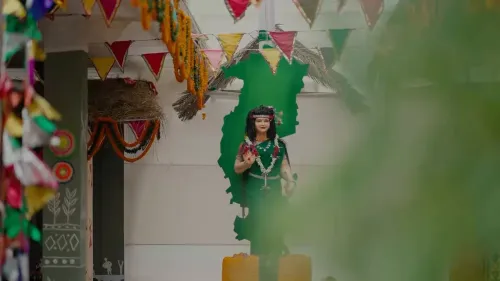
Folk songs fill the air, dancers spin in traditional attire, and the scent of the monsoon season hangs over Raipur — Chhattisgarh Chief Minister Vishnu Deo Sai marked Hareli Tihar 2026 with a cultural celebration at the Chief Minister's official residence on Wednesday, 12 August 2026, bringing the rhythms of rural Chhattisgarh to the heart of the state capital.
Posting in Chhattisgarhi, CM Sai captured the mood: 'चारो कोती हरेली के बहार अउ छत्तीसगढ़ी लोकपरंपरा के उजियार' — 'the bloom of Hareli in every direction, and the radiance of Chhattisgarhi folk tradition.' He described the Chief Minister's residence as alive with the state's culture, with song, music, dance, games, and the 'beautiful glimpse of village life' on full display.
What Hareli Tihar means to Chhattisgarh
Hareli is the first major festival of the Chhattisgarhi calendar, arriving with the monsoon and rooted in the agrarian and tribal life that defines the state. Farmers offer prayers for their tools and cattle; folk performers take to open grounds; and the gedi — a traditional bamboo stilt — becomes a symbol of the season. For a state formed only in 2000 and built around a distinct tribal and rural identity, Hareli is not merely a festival — it is a statement of who Chhattisgarh is.
State House as a stage for folk heritage
Hosting the celebration at the official residence is a deliberate act of cultural visibility. Chhattisgarh administrations have long used state venues to amplify regional heritage, turning government spaces into platforms for folk artists and rural communities who might otherwise remain on the margins of public attention. CM Sai, who took office in December 2023, has continued this tradition, positioning the BJP-led government as a steward of the state's distinct agrarian and tribal culture.
The kicker writes itself in the soil: as long as the monsoon returns, so will Hareli — and so will the question of whether official celebrations translate into lasting support for the folk artists and rural communities who keep the tradition alive.
Point of View
Himself from a tribal community, such visible celebrations carry an added layer of political authenticity. The broader pattern across Indian states shows that cultural programming at official venues increasingly doubles as identity politics, reinforcing regional pride while building electoral goodwill with rural constituencies. The real test, as always, is whether state patronage on display days translates into sustained institutional support for folk artists year-round.
NationPress
26 Sept 2026
Frequently Asked Questions
What is Hareli Tihar and why is it celebrated in Chhattisgarh?
Hareli Tihar is Chhattisgarh's first major festival of the year, celebrated at the onset of the monsoon season. It is rooted in the state's agrarian and tribal traditions, with farmers offering prayers for their tools and cattle, and communities gathering for folk music, dance, and traditional games like the bamboo-stilt gedi .
Where was Hareli Tihar 2026 celebrated by CM Vishnu Deo Sai?
CM Vishnu Deo Sai hosted the Hareli Tihar 2026 celebration at the Chief Minister's official residence in Raipur , Chhattisgarh, on 12 August 2026 .
Who is Vishnu Deo Sai?
Vishnu Deo Sai is the Chief Minister of Chhattisgarh and a BJP leader who assumed office in December 2023 . He is from a tribal community in the state.
When was Chhattisgarh formed and what is its cultural identity?
Chhattisgarh was formed in 2000 as a separate state. It is known for its distinct tribal and folk traditions, agrarian heritage, and a rich calendar of regional festivals including Hareli Tihar.
Does the Chhattisgarh government regularly hold Hareli celebrations at state venues?
Yes. Chhattisgarh administrations have regularly hosted public Hareli celebrations at state venues as part of ongoing efforts to promote the state's local heritage and cultural identity.