CM Sai Concludes Chintan Shivir 3.0 at IIM Raipur
Synopsis
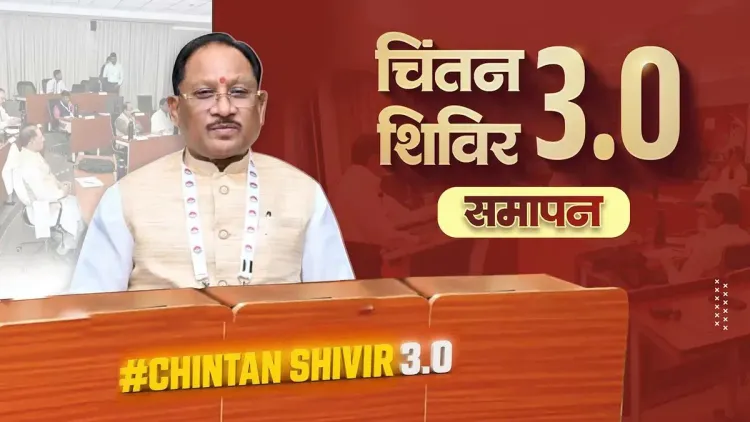
Chhattisgarh CM Vishnu Deo Sai on July 6, 2026 declared Chintan Shivir 3.0 successfully concluded at IIM Raipur. The two-day governance camp brought together experts and bureaucrats to generate ideas for transparent, citizen-centric administration under the Vikasit Chhattisgarh vision.
Key Takeaways
Chintan Shivir 3.0 concluded on July 6, 2026 after two days at IIM Raipur .
CM Vishnu Deo Sai said expert insights will make governance more effective, transparent, and citizen-centric.
The shivir is the third such structured brainstorming exercise under the Sai government , which took office in December 2023 .
The camp aligns with Chhattisgarh's stated goal of achieving developed-state status by 2047 .
Concrete outcomes — budget provisions, administrative orders — will determine whether recommendations move beyond the discussion stage.
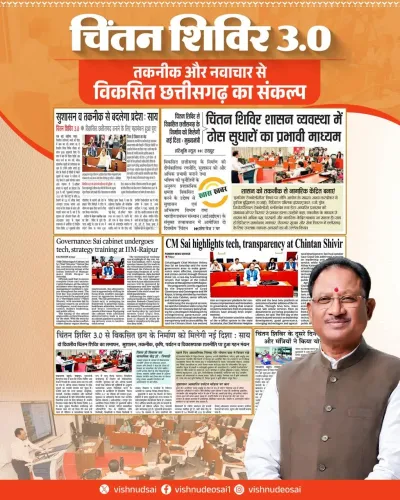
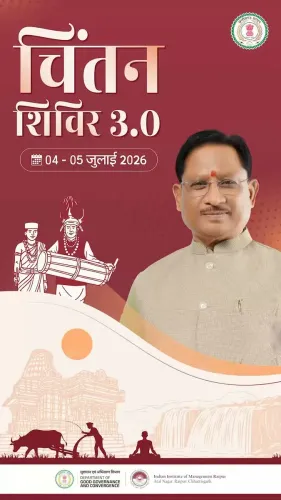
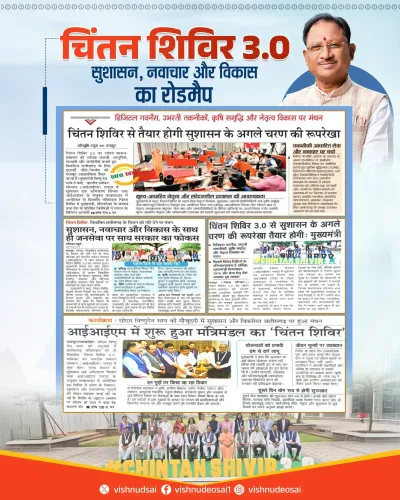
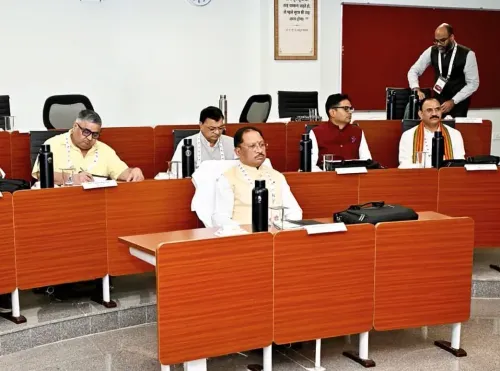
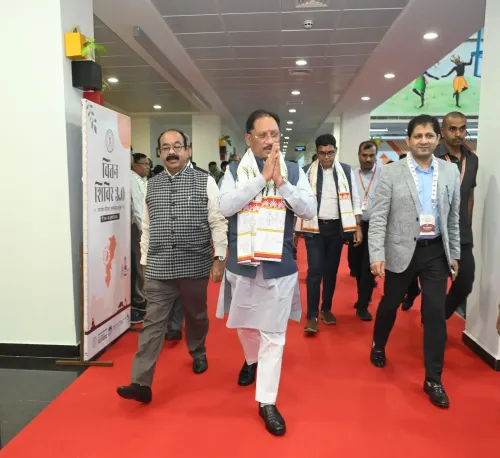
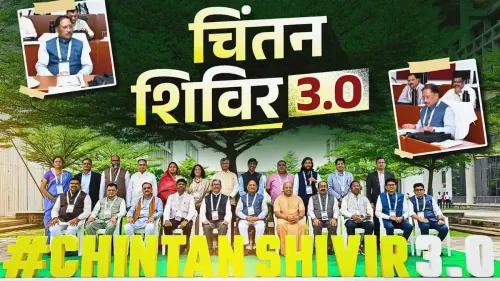
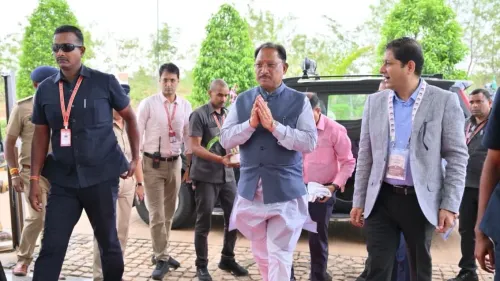
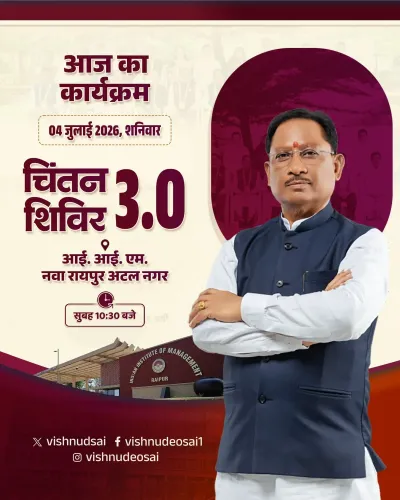
Chhattisgarh Chief Minister Vishnu Deo Sai on Monday, July 6, 2026, announced the successful conclusion of Chintan Shivir 3.0, a two-day governance brainstorming camp held at IIM Raipur, calling the exercise a step toward making administration more effective, transparent, and citizen-centric.
Context
Posting on X in Hindi, CM Sai said: 'हर नया विचार, हर सार्थक सुझाव और हर प्रभावी सुधार विकसित छत्तीसगढ़ की विकास यात्रा को नई ऊर्जा देता है' ('Every new idea, every meaningful suggestion, and every effective reform gives fresh energy to the development journey of a Vikasit Chhattisgarh'). He expressed confidence that insights from the camp would 'pave the way for new possibilities in good governance and give fresh momentum to the building of a developed Chhattisgarh.'
The shivir brought together policy experts and bureaucrats at IIM Raipur, which was established in 2010 and has regularly hosted executive governance programmes for state officials. The two-day format was designed to surface actionable ideas on administrative reform.
Policy Backdrop
The Sai government, which took office in December 2023 after the BJP's return to power in Chhattisgarh, has framed its administrative agenda around the goal of achieving 'Vikasit Chhattisgarh' — a developed state — by 2047, aligned with the national 'Viksit Bharat' vision. Chintan Shivir 3.0 is the third such structured brainstorming exercise under this administration.
The broader practice of holding closed-door policy sessions at premier management institutes gained momentum nationally after 2014, when the 'Minimum Government, Maximum Governance' framework encouraged state governments to institutionalise evidence-seeking reform exercises. Chhattisgarh's adoption of this model reflects a wider pattern among BJP-governed states of using academic partnerships to signal and generate reform intent.
Stakeholders and Impact
The primary beneficiaries of any outcomes from the shivir are Chhattisgarh's citizens, particularly those in tribal and rural communities who form a large share of the state's population and are most directly affected by the quality of public administration. State bureaucrats who participated are expected to carry reform recommendations into departmental implementation.
Policy experts who contributed at the camp bring external perspectives on transparency and citizen-centric delivery that can supplement the state machinery's internal capacity. The emphasis on 'sushasan' — good governance — as a theme signals the administration's intent to benchmark itself against broader public-service standards.
What's Next
The practical test for Chintan Shivir 3.0 will be whether its recommendations surface in concrete form — through the next state budget, new administrative orders, or guidelines issued by the Chief Secretary's office. CM Sai's public statement creates a degree of accountability, as civil society and legislators can now track whether the 'invaluable suggestions' he cited translate into measurable policy shifts. The Chhattisgarh government's ability to convert brainstorming into governance outcomes will determine the long-term credibility of the Chintan Shivir series as a reform instrument.
Point of View
Now roughly two and a half years into office, the exercise also serves as a mid-term accountability marker, publicly committing to translate expert inputs into governance outcomes. The 'Vikasit Chhattisgarh by 2047' framing ties local administrative reform to the national Viksit Bharat narrative, giving the state government ideological coherence with the Centre. The real measure of success, however, will not be the shivir itself but whether its recommendations leave a traceable footprint in budgets and policy orders.
NationPress
6 Jul 2026
Frequently Asked Questions
What is Chintan Shivir 3.0 in Chhattisgarh?
Chintan Shivir 3.0 is the third edition of a governance brainstorming camp organised by the Chhattisgarh government under Chief Minister Vishnu Deo Sai. The two-day event was held at IIM Raipur and concluded on July 6, 2026, bringing together policy experts and bureaucrats to generate ideas for improving public administration.
Where was Chintan Shivir 3.0 held?
Chintan Shivir 3.0 was held at IIM Raipur, the Indian Institute of Management Raipur, which was established in 2010 and regularly hosts governance and executive programmes for government officials.
What is the goal of Vikasit Chhattisgarh?
Vikasit Chhattisgarh is the Chhattisgarh government's vision to achieve developed-state status by 2047, aligned with the national Viksit Bharat goal. The Sai administration has used governance reform exercises like the Chintan Shivir series to advance this objective.
Who is Vishnu Deo Sai?
Vishnu Deo Sai is the Chief Minister of Chhattisgarh and a BJP leader who took office in December 2023 following the party's victory in the state assembly elections. He previously served as a Union Minister and has focused his tenure on administrative reform and state development.
What happens after Chintan Shivir recommendations are made?
After the shivir concludes, the key question is whether its recommendations appear in concrete policy instruments such as the state budget, administrative orders, or guidelines from the Chief Secretary's office. CM Sai's public statement creates a degree of accountability for follow-through.