India-NZ FTA halo effect: Exports, visitor arrivals surge before pact takes force
Synopsis
New Zealand's trade deal with India is already delivering results before it even takes effect. Apple exports have jumped 63 per cent, Indian visitor arrivals hit 8,000 in a single month, and Air New Zealand is eyeing a direct-flight joint venture with Air India — a rare pre-implementation halo effect that signals how much both economies stand to gain once the FTA formally enters into force.
Key Takeaways
New Zealand–India FTA is before Parliament and expected to enter into force in 2026 .
Around 8,000 Indian visitors arrived in New Zealand in April 2026 , a sharp rise from previous years.
Apple exports surged 63 per cent to approximately 45,000 tonnes in 2026, up from 27,000 tonnes in 2024.
India has moved from New Zealand's seventh-largest to fourth-largest apple market in two years.
Apple tariffs will halve to 25 per cent on a quota of 32,500 tonnes from day one of FTA implementation.
Air New Zealand is exploring a joint venture with Air India for the first direct flights between the two countries.
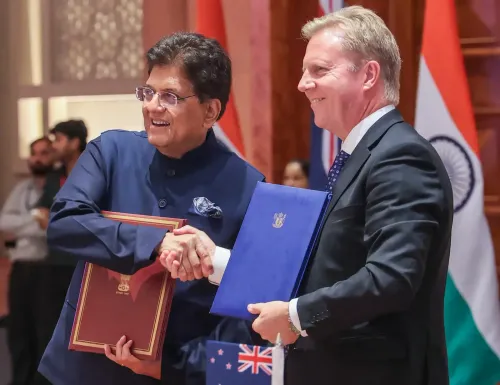
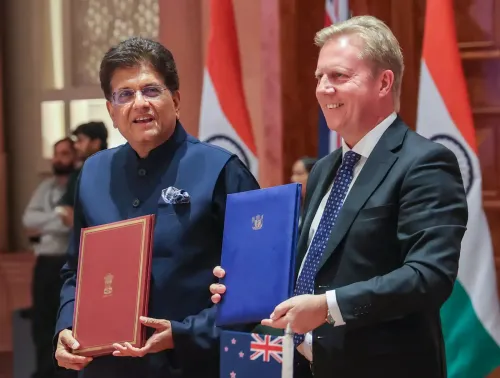
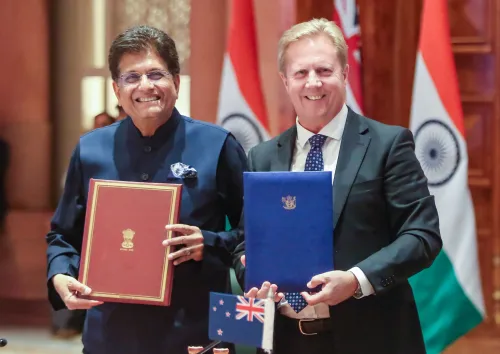
New Zealand is already registering measurable gains from its recently signed free trade agreement with India, even before the pact formally enters into force, according to a report citing Trade Minister Todd McClay. Around 8,000 Indian visitors arrived in New Zealand in April 2026 alone — a sharp rise from previous years — while export volumes across several categories have climbed significantly.
Key Developments
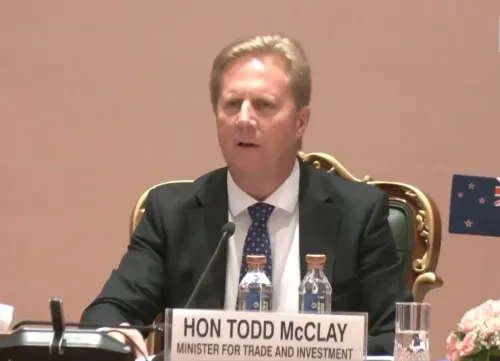
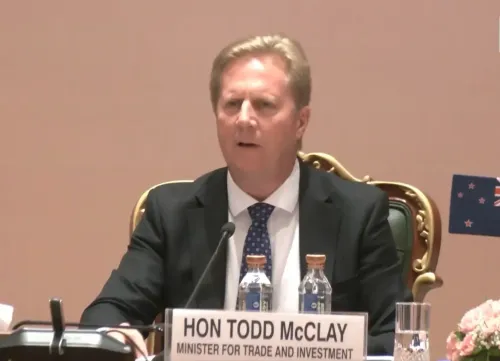
"The New Zealand-India FTA has been signed and is now before Parliament. We expect it to enter into force later this year, but we're already seeing a strong halo effect. Export volumes are up because businesses and customers can see the quality of what New Zealand has to offer," Minister McClay said, adding that benefits will only grow once the agreement becomes fully operational.
This pre-implementation momentum is notable: it suggests that the mere announcement of the FTA has shifted trade and travel behaviour, a pattern seen in other major bilateral agreements where business confidence moves ahead of formal ratification.
Apple Exports Lead the Charge
New Zealand's apple exports to India have surged 63 per cent in 2026 so far, climbing from 27,000 tonnes in 2024 to approximately 45,000 tonnes. As a result, India has risen from New Zealand's seventh-largest apple market to its fourth-largest in just two years.
Once the FTA enters into force, apple tariffs will be halved to 25 per cent from day one on an initial quota of 32,500 tonnes, scaling up to 45,000 tonnes by year six — a development McClay described as a "significant real financial boost" for growers.
Kiwifruit, Timber and Aviation Gains
The agreement also provides tariff-free access for kiwifruit within a new quota starting at 6,250 tonnes and rising to 15,000 tonnes by year six, with tariffs outside the quota halved from the outset. Timber trade has also resumed: Matariki Forests dispatched its first log shipment from Bluff to India since 2020 in June 2026, while chip and pulp exporters have reported strong momentum.
On the aviation front, Air New Zealand has announced it is exploring a joint venture with Air India that could pave the way for the first direct air services between the two countries — a development that would further accelerate tourism and business travel flows.
What the FTA Means for India
For India, the agreement opens a channel to high-quality agricultural imports at progressively lower tariffs, while Indian visitors and students stand to benefit from improved bilateral ties. The surge in visitor arrivals — 8,000 in April 2026 alone — points to growing interest from Indian travellers in New Zealand as a destination, a trend the tourism sector in both countries is watching closely.
The pact is currently before the New Zealand Parliament and is expected to enter into force later in 2026. With trade momentum already building, the formal implementation is likely to accelerate gains across agriculture, timber, tourism, and aviation.
Point of View
And if it materialises, it could dwarf the agricultural gains in long-term economic impact. India's FTA pipeline is expanding, but the NZ deal stands out for generating visible momentum before the ink is even dry in Parliament.
NationPress
5 Oct 2026
Frequently Asked Questions
What is the New Zealand–India free trade agreement?
The New Zealand–India FTA is a bilateral trade pact that has been signed and is currently before the New Zealand Parliament, with implementation expected later in 2026. It provides phased tariff reductions on goods including apples and kiwifruit, and opens new trade and investment channels between the two countries.
What benefits are already visible before the FTA enters into force?
New Zealand has recorded a 63 per cent jump in apple exports to India and approximately 8,000 Indian visitor arrivals in April 2026 alone, both attributed to the 'halo effect' of the signed agreement. Trade Minister Todd McClay has said businesses and consumers are already responding to the deal's signals.
How will apple tariffs change under the FTA?
Apple tariffs will be halved to 25 per cent from the first day of FTA implementation on an initial quota of 32,500 tonnes, rising to 45,000 tonnes by year six. This is expected to provide a significant financial boost to New Zealand apple growers.
What does the FTA mean for kiwifruit exports?
The agreement grants tariff-free access for kiwifruit within a new quota starting at 6,250 tonnes and scaling to 15,000 tonnes by year six. Tariffs on volumes outside the quota are halved from the start of implementation.
Will there be direct flights between New Zealand and India?
Air New Zealand has announced it is working on joint venture plans with Air India that could enable the first direct air services between the two countries. No launch date has been confirmed, but the development is seen as a significant step for tourism and business connectivity.