CM Vishnu Deo Sai Greets Chhattisgarh on Govardhan Puja & Gaura-Gauri
Synopsis
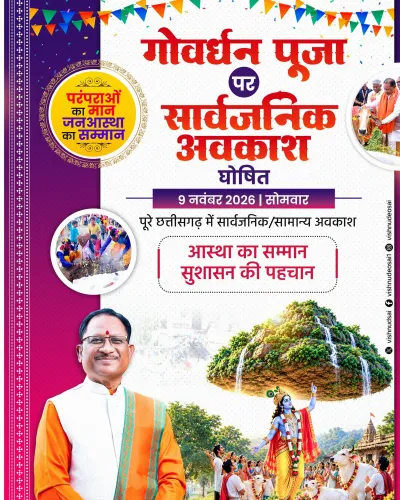
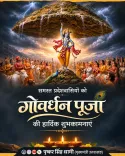
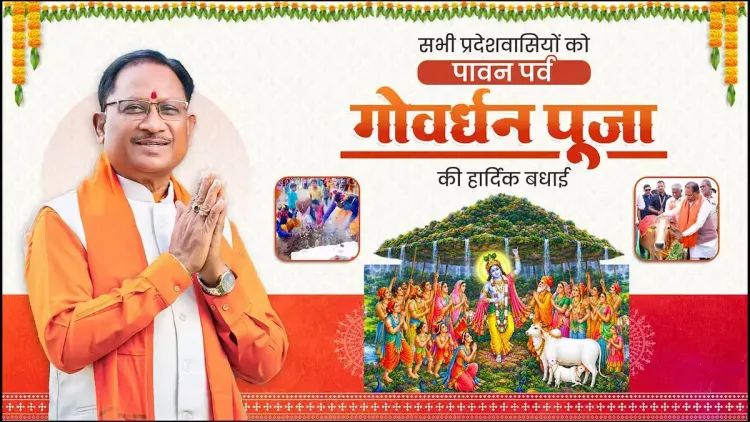
Chhattisgarh CM Vishnu Deo Sai on 10 November 2026 greeted state residents on Govardhan Puja and the folk festival Gaura-Gauri, linking Lord Krishna's nature message with Chhattisgarh's tribal traditions and praying for farmer prosperity.
Key Takeaways
CM Vishnu Deo Sai posted festival greetings on 10 November 2026 for Govardhan Puja and the Chhattisgarhi folk festival Gaura-Gauri .
Govardhan Puja commemorates Lord Krishna lifting the Govardhan hill and carries a message of protecting nature, cattle, and the environment.
Gaura-Gauri is a distinct Chhattisgarh folk festival rooted in tribal and rural traditions, symbolising social harmony and regional identity.
Sai prayed for the state's fields and granaries to remain full and for every family in Chhattisgarh to live with happiness and peace.
The CM closed with 'Jai Johar!
Jai Chhattisgarh!' — tribal and regional salutations that underline the cultural diversity of the state.
Harvest fields, folk deity processions, and the echo of Jai Johar — Chhattisgarh Chief Minister Vishnu Deo Sai on Tuesday, 10 November 2026, extended warm festival greetings to every resident of the state on the occasion of Govardhan Puja and the beloved Chhattisgarhi folk festival Gaura-Gauri.
In his message, CM Sai invoked the spiritual significance of both occasions together: 'Govardhan leela hamein prakriti, gauvamsh aur paryavaran ke sanrakshan ka sandesh deti hai' — 'Lord Krishna's Govardhan leela gives us the message of protecting nature, cattle and the environment' — while describing Gaura-Gauri as a symbol of Chhattisgarh's rich folk tradition, faith, and social harmony.
Two Festivals, One Cultural Identity
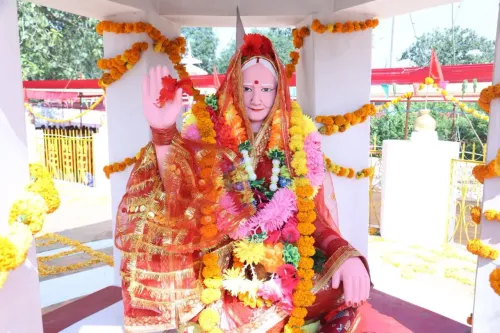
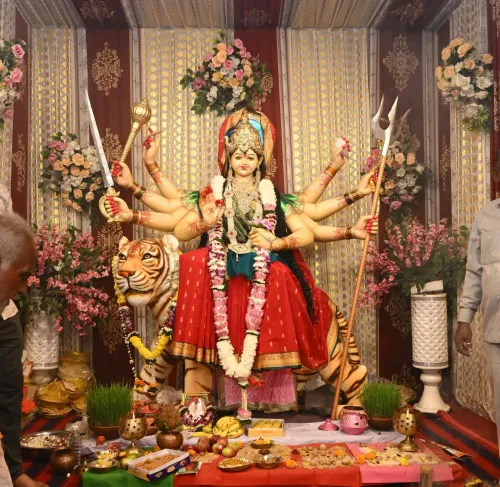
Govardhan Puja, observed the day after Diwali across India, commemorates the legend of Lord Krishna lifting the Govardhan hill to shelter the people of Vrindavan from torrential rains — an ancient parable about community resilience and reverence for the natural world. In Chhattisgarh, the day carries an additional layer: Gaura-Gauri, a distinctive tribal and folk festival in which communities worship the folk deities Gaura (Lord Shiva) and Gauri (Parvati) through song, procession, and collective ritual. It is one of the most deeply rooted cultural events in the state's rural heartland.
CM Sai closed his message with a prayer that the state's khet-khalihan — fields and granaries — remain full of grain and prosperity, and that every family be blessed with happiness and peace. He signed off with the rallying salutations 'Jai Johar! Jai Chhattisgarh!' — both phrases carrying deep regional and tribal resonance in the state.
Why Folk Festivals Matter to Chhattisgarh's Political Calendar
Chief ministers across India's states routinely mark regional festivals on social media, but in Chhattisgarh — where a significant portion of the population is tribal and rural — Gaura-Gauri holds particular cultural weight. By pairing it with the pan-Indian Govardhan Puja, Sai threads together the state's Hindu and indigenous folk traditions into a single message of unity, an approach that has become a hallmark of political outreach in the state's diverse districts.
The farming community sits at the heart of both festivals. Govardhan Puja traditionally involves worship of cattle — the backbone of agrarian life — while Gaura-Gauri celebrations are rooted in village communities that live closest to the land. The CM's prayer for full fields and prosperous families is as much a political signal to Chhattisgarh's farmers as it is a cultural blessing.
As temple courtyards fill with marigold garlands and village squares resound with the beat of mandar drums, the Chief Minister's message arrives as a reminder that in Chhattisgarh, the cultural and the political have never been entirely separate.
Point of View
CM Sai signals a broader BJP strategy of weaving together Hindu and tribal cultural identities in a state with a large adivasi population. The dual invocation of 'Jai Johar' — a tribal greeting — alongside a Sanskrit-inflected festival message is a studied act of cultural inclusion. It reflects how state-level BJP leaders are increasingly anchoring governance optics to regional folk identity, particularly ahead of periodic elections where rural and tribal constituencies are decisive. Festival greetings, often dismissed as ceremonial, function here as low-cost, high-reach political communication.
NationPress
10 Nov 2026
Frequently Asked Questions
What is Gaura-Gauri festival in Chhattisgarh?
Gaura-Gauri is a major folk festival unique to Chhattisgarh in which communities worship the folk deities Gaura (Lord Shiva) and Gauri (Parvati) through songs, processions, and collective rituals. It is rooted in the state's rural and tribal traditions and symbolises social harmony and local faith.
What is the significance of Govardhan Puja?
Govardhan Puja is a Hindu festival observed the day after Diwali, commemorating Lord Krishna lifting the Govardhan hill to protect the people of Vrindavan. It carries a message of reverence for nature, cattle, and the environment.
What did Chhattisgarh CM Vishnu Deo Sai say on Govardhan Puja 2026?
CM Vishnu Deo Sai extended greetings to all residents of Chhattisgarh on Govardhan Puja and Gaura-Gauri, invoking Lord Krishna's message of environmental and cattle protection, and prayed that the state's fields remain prosperous and every family live in happiness and peace.
What does 'Jai Johar' mean?
'Jai Johar' is a traditional salutation widely used among tribal communities of Chhattisgarh and Jharkhand. It is a greeting of respect and pride, and CM Sai's use of it at the close of his festival message is a nod to the state's significant adivasi population.
When is Govardhan Puja celebrated in 2026?
In 2026, Govardhan Puja falls on 10 November, the day after Diwali, coinciding with Chhattisgarh's Gaura-Gauri folk festival as well.