CM Sai Hails Korba Water Model's Mann Ki Baat Feature
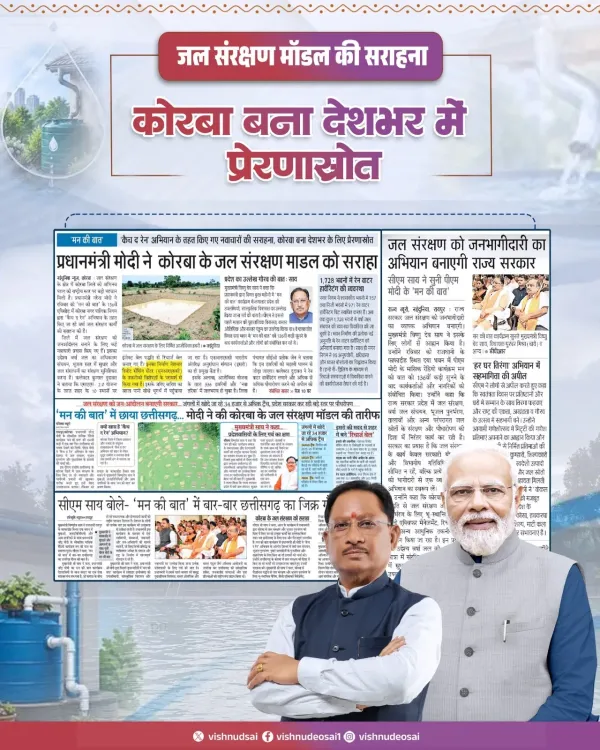
Synopsis
Chhattisgarh CM Vishnu Deo Sai on 27 July 2026 celebrated PM Modi's mention of Korba's water conservation model on Mann Ki Baat, calling it national recognition of the state's community-driven water stewardship and collective resolve.
Key Takeaways
CM Vishnu Deo Sai publicly celebrated PM Modi's mention of Korba 's water conservation model on Mann Ki Baat on 27 July 2026 .
Korba is an industrial, coal-mining district in Chhattisgarh that has developed community-based water conservation initiatives.
The Chief Minister framed the recognition as a reflection of janabhagidari (public participation), innovation, and collective resolve.
Mann Ki Baat is PM Modi's monthly national radio address used to spotlight grassroots developmental achievements across India.
The Jal Shakti Abhiyan , launched in 2019 , provides the national policy framework under which such community water models are encouraged.
Formal documentation of the Korba model's outcomes and potential for replication remains awaited from state and central authorities.
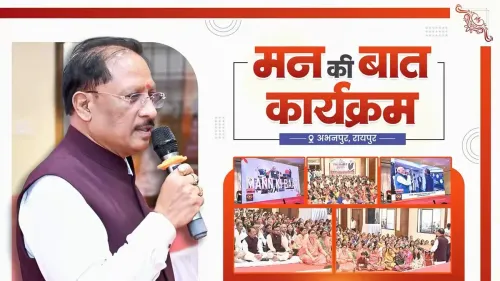
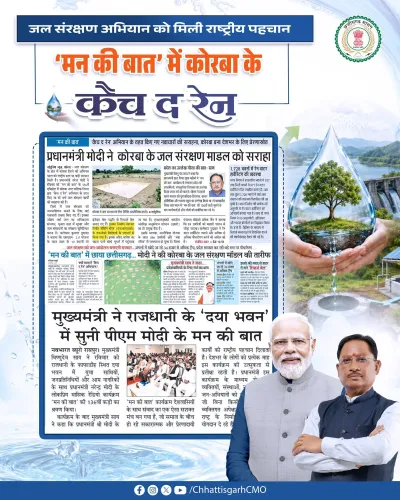
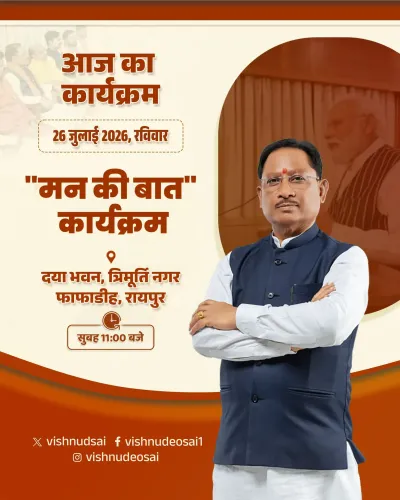
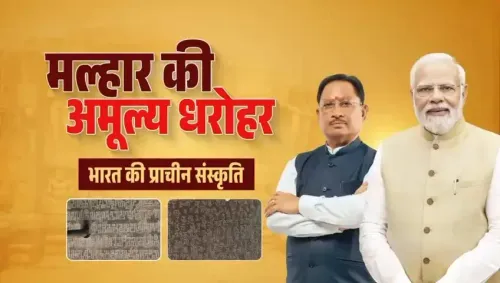
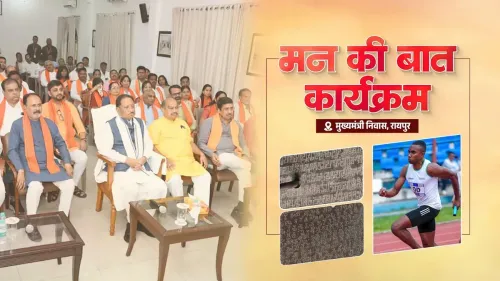
Chhattisgarh Chief Minister Vishnu Deo Sai on Monday, 27 July 2026, expressed pride after Prime Minister Narendra Modi highlighted and praised Korba's community-driven water conservation model during his monthly radio address, Mann Ki Baat. The Chief Minister called the national recognition a reflection of collective resolve, innovation, and public participation in water stewardship across the state.
Context
Posting on X, CM Sai wrote: 'Mananiya Pradhanmantri Shri Narendra Modi ji dwara Mann Ki Baat mein Korba ke jal sanrakshan model ka ullekh aur sarahna hum sabhi Chhattisgarhwasiyon ke liye garv ka vishay hai' — 'The mention and praise of Korba's water conservation model in Hon'ble Prime Minister Shri Narendra Modi's Mann Ki Baat is a matter of pride for all of us residents of Chhattisgarh.' He further described the recognition as a 'national identity of our collective resolve towards public participation, innovation, and water conservation.'
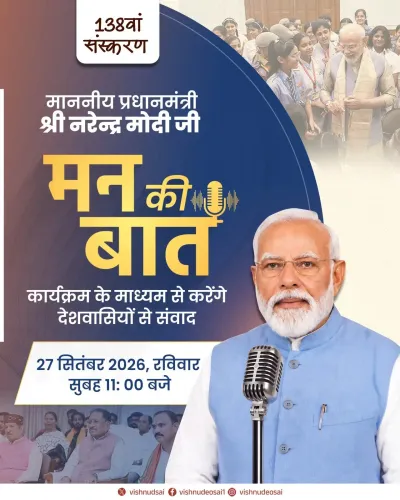
Mann Ki Baat is Prime Minister Modi's monthly radio programme, broadcast nationwide, in which he spotlights developmental achievements, grassroots innovations, and citizen-led initiatives from across India. A mention on this platform carries significant symbolic weight, signalling central endorsement of a local model.
Policy Backdrop
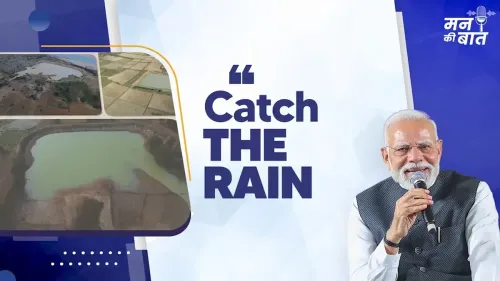
The recognition arrives against the backdrop of the Jal Shakti Abhiyan, launched in 2019, which called on states to accelerate rainwater harvesting, water body rejuvenation, and community-based water management. Korba, an industrial district in Chhattisgarh dominated by coal mining, has developed localised conservation initiatives that now appear to have drawn national attention through this mention.
Central and state governments have increasingly spotlighted such localised successes as part of a broader national push for sustainable resource management, particularly in water-stressed and mining-intensive regions. The Prime Minister's public endorsement is widely seen as an instrument to encourage replication of community-driven models in other ecologically pressured districts.
Stakeholders and Impact
The primary beneficiaries of Korba's water conservation model are the district's residents, including farming communities who depend on reliable water access in a region where industrial activity has historically placed pressure on natural resources. Recognition at the national level can unlock greater administrative focus and potential funding toward scaling such initiatives.
For the Vishnu Deo Sai government, which assumed office in December 2023, the Prime Minister's acknowledgement also provides political validation of the state's environmental and participatory governance priorities. The framing of the achievement as a product of janabhagidari — public participation — underscores the state administration's emphasis on community ownership of development outcomes.
What's Next
Attention will now turn to whether the Chhattisgarh government or the central Jal Shakti Ministry releases detailed documentation of the Korba model — its measurable outcomes, the communities involved, and the specific conservation techniques employed. Such disclosures would determine whether the model can be credibly replicated across other states facing similar ecological and industrial pressures.
If the Korba model is formally institutionalised as a replicable framework under national water policy, it could mark a significant step in translating grassroots conservation success into scalable public policy, reinforcing Chhattisgarh's standing as a contributor to India's water security agenda.
Point of View
Lending the Sai government a timely credibility boost on environmental governance. CM Sai's swift and effusive response on X is a calculated move to amplify the recognition among a state audience, reinforcing the BJP's claim of effective delivery at both the state and central levels. The framing around janabhagidari also signals a conscious effort to position community participation — rather than top-down bureaucratic action — as the engine of Chhattisgarh's policy successes. Whether this translates into concrete policy replication or remains a moment of political optics will depend on the specifics the government chooses to disclose about the Korba model.
NationPress
25 Oct 2026
Frequently Asked Questions
What did PM Modi say about Korba in Mann Ki Baat?
PM Modi mentioned and praised Korba's community-driven water conservation model during his Mann Ki Baat radio address, according to a post by Chhattisgarh CM Vishnu Deo Sai on 27 July 2026. The specific episode details and features of the model cited have not yet been officially documented publicly.
What is the Korba water conservation model?
Korba is an industrial district in Chhattisgarh known for coal mining that has developed localised, community-based water conservation initiatives. The precise techniques and outcomes of the model are yet to be formally detailed by state or central authorities.
Who is Vishnu Deo Sai?
Vishnu Deo Sai is the Chief Minister of Chhattisgarh and a BJP leader who assumed office in December 2023 following the state assembly elections.
What is Mann Ki Baat?
Mann Ki Baat is a monthly radio programme by Prime Minister Narendra Modi in which he addresses the nation, spotlighting citizen-led initiatives, grassroots innovations, and developmental achievements from across India.
What is the Jal Shakti Abhiyan?
The Jal Shakti Abhiyan is a nationwide initiative launched in 2019 to promote rainwater harvesting, water body rejuvenation, and community participation in water conservation, providing the policy backdrop for efforts like the Korba model.