CM Sai Chairs State-Level Cooperative Conference in Chhattisgarh
Synopsis
Chhattisgarh Chief Minister Vishnu Deo Sai participated in the State-Level Cooperative Conference on 3 July 2026, spotlighting the role of cooperative societies in advancing rural credit, agricultural marketing, and tribal livelihoods within the Union government's 'Sahakar Se Samriddhi' framework.
Key Takeaways
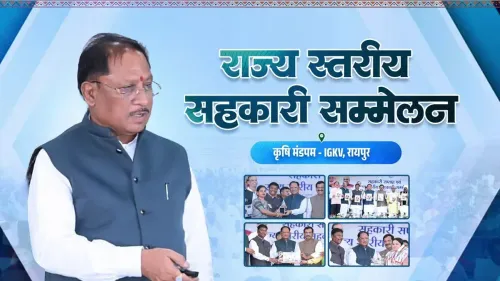
CM Vishnu Deo Sai participated in the State-Level Cooperative Conference ( Rajya Stariya Sahakari Sammelan ) on 3 July 2026 in Chhattisgarh.
The conference was live-broadcast, widening access for cooperative stakeholders across the state.
The Union government's Ministry of Cooperation , created in July 2021 , provides the national policy framework underpinning such state-level events.
Key beneficiaries include farmers , tribal communities , and primary agricultural credit societies (PACS) in Chhattisgarh.
Follow-up policy announcements on cooperative registration drives and budget allocations are anticipated from the state government.
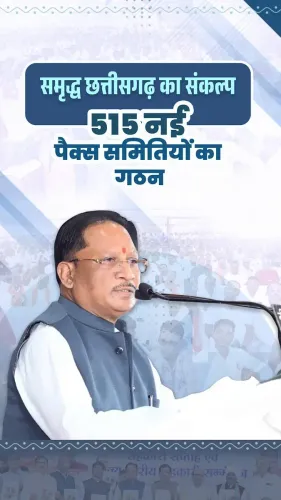
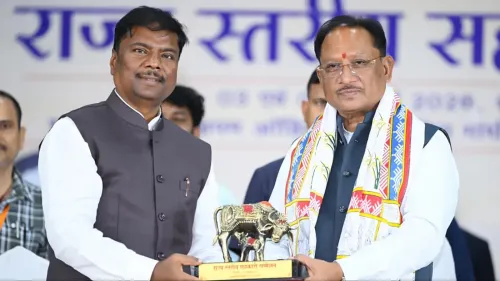
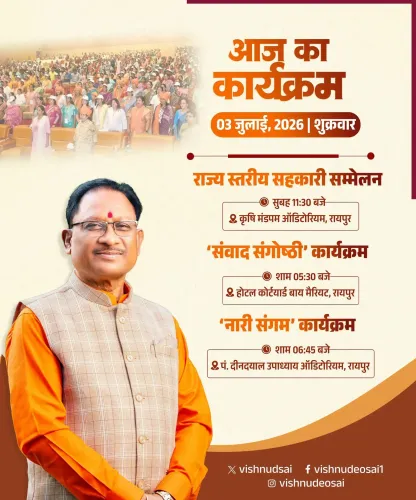
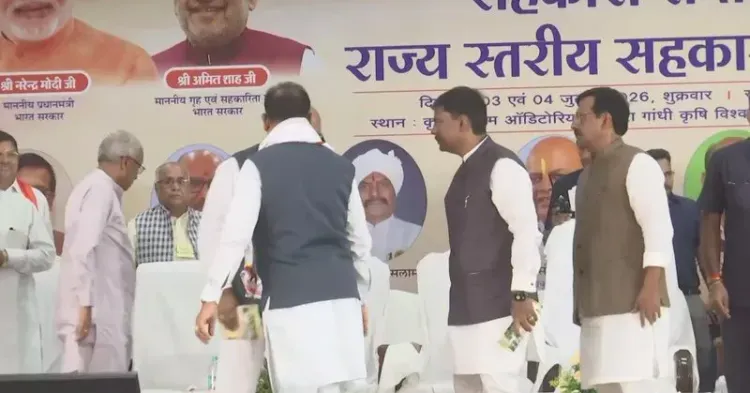
Chhattisgarh Chief Minister Vishnu Deo Sai on Friday, 3 July 2026 participated in the State-Level Cooperative Conference (Rajya Stariya Sahakari Sammelan), bringing together cooperative societies from across the state to discuss the sector's growth and alignment with national policy.
Context
The conference, announced by CM Sai on his official social-media handle, marks one of the significant cooperative gatherings in Chhattisgarh since the state government began intensifying its focus on rural and agricultural development. Cooperative societies in the state serve a large base of farmers, tribal communities, and rural households who depend on them for credit, marketing, and essential supplies.
The event's live broadcast underscores the state government's intent to make the proceedings accessible to cooperative stakeholders beyond the conference venue.
Policy Backdrop
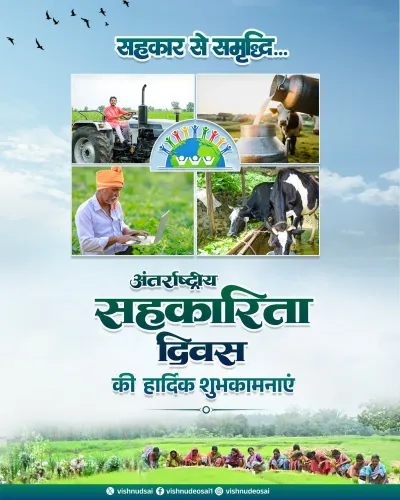
The conference takes place within the framework of the Union government's Ministry of Cooperation, established in July 2021, which introduced the 'Sahakar Se Samriddhi' (Prosperity through Cooperation) vision to revitalise India's cooperative movement. That ministry was created to provide focused policy support and expand the cooperative model beyond its traditional strongholds in dairy and credit into sectors such as housing, fisheries, and organic farming.
Indian states have periodically convened such conferences to align local cooperative societies with central schemes on agricultural credit, marketing infrastructure, and rural development. Chhattisgarh, with its predominantly rural and tribal population, stands to benefit significantly from a strengthened cooperative network that can bridge gaps in formal credit and market access.
Stakeholders and Impact
The primary beneficiaries of a reinvigorated cooperative sector in Chhattisgarh are farmers and primary agricultural credit societies (PACS) spread across the state's districts. These societies act as the last-mile link between government schemes and rural households, channelling subsidised inputs, crop loans, and procurement support.
Tribal communities, who constitute a substantial share of the state's population, also rely on cooperative structures for forest-produce marketing and livelihood support. A state-level conference of this nature creates a platform for identifying gaps in coverage and resolving operational bottlenecks that individual societies cannot address on their own.
What's Next
Observers will watch for follow-up announcements from the Sai government on new state cooperative policies, budget allocations for cooperative infrastructure, or targeted registration drives to bring more primary agricultural credit societies under formal frameworks. Any policy directions articulated at the conference are likely to feed into the state's broader rural-economy agenda for the remainder of 2026.
Point of View
Chhattisgarh's initiative could serve as a template for other BJP-governed states with comparable agrarian demographics. The conference's outcomes will be a meaningful indicator of how effectively state governments are translating the 2021 cooperation ministry's mandate into ground-level action.
NationPress
1 Oct 2026
Frequently Asked Questions
What is the State-Level Cooperative Conference in Chhattisgarh?
The State-Level Cooperative Conference ( Rajya Stariya Sahakari Sammelan ) is a government-convened gathering of cooperative societies across Chhattisgarh, held on 3 July 2026 , to discuss sector growth, rural credit, and alignment with national cooperative policy.
What is CM Vishnu Deo Sai's role in Chhattisgarh's cooperative sector?
As Chief Minister since December 2023 , Vishnu Deo Sai oversees state policy including cooperative development, and his participation in the conference signals the government's priority focus on rural and agricultural welfare through the cooperative model.
What is the 'Sahakar Se Samriddhi' vision?
'Sahakar Se Samriddhi' — meaning 'Prosperity through Cooperation' — is the Union government's cooperative development vision, operationalised through the Ministry of Cooperation created in July 2021 to expand and strengthen cooperative societies across India.
Who benefits from cooperative societies in Chhattisgarh?
Farmers , tribal communities , and rural households in Chhattisgarh are the primary beneficiaries, accessing agricultural credit, subsidised inputs, crop procurement support, and forest-produce marketing through cooperative networks.
What policy announcements are expected after the Chhattisgarh cooperative conference?
Observers anticipate announcements on new state cooperative policies, budget allocations for cooperative infrastructure, and drives to register more primary agricultural credit societies (PACS) under formal frameworks in Chhattisgarh.