CM Sai Honours Chhattisgarh Weavers on National Handloom Day
Synopsis
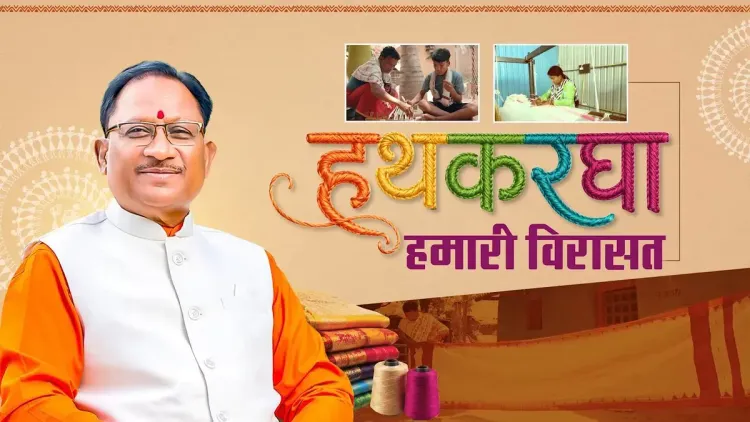
On National Handloom Day, 7 August, Chhattisgarh CM Vishnu Deo Sai honoured the state's handloom weavers, calling their craft a living symbol of culture and self-pride, and reaffirmed his government's commitment to weaver welfare and livelihood empowerment.
Key Takeaways
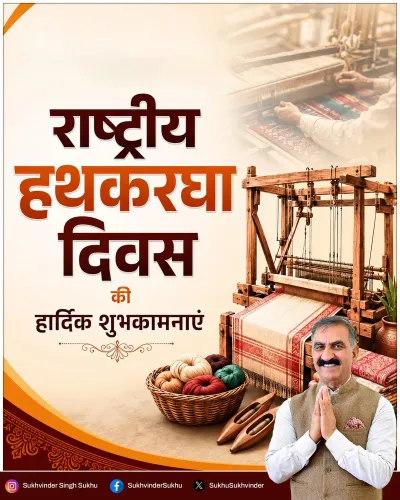
National Handloom Day is observed on 7 August every year since 2015 , marking the anniversary of the 1905 Swadeshi movement .
CM Vishnu Deo Sai publicly saluted Chhattisgarh's handloom weavers and pledged state support for their dignity and livelihood.
Chhattisgarh has established weaving traditions including Tussar silk and tribal textile crafts passed down across generations.
The state government has committed to providing weavers with new recognition and new opportunities for their traditional craft.
Handloom weavers across India face structural competition from powerloom and synthetic textile sectors, making state support critical.
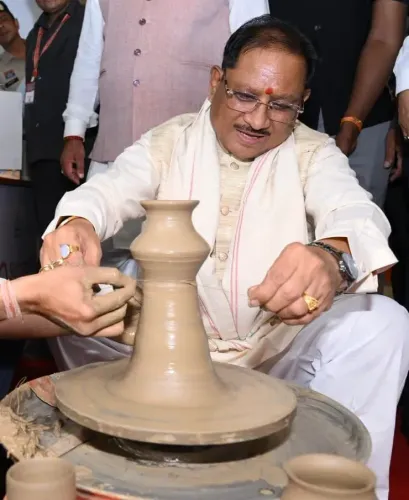
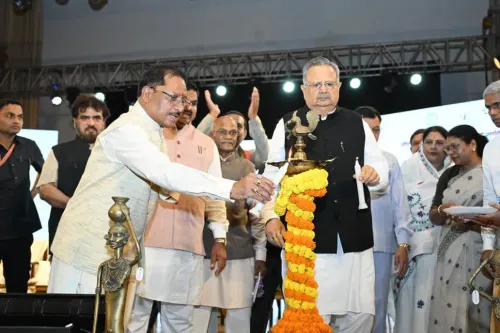
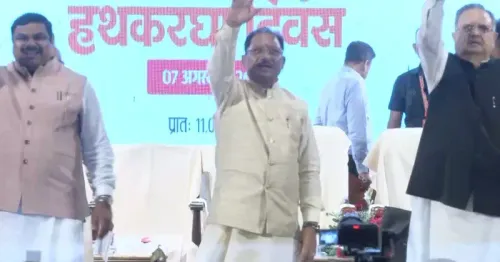
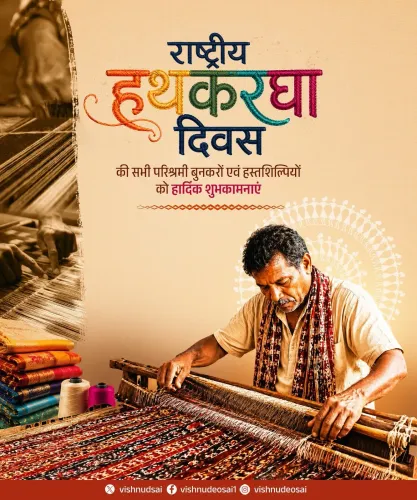
Every thread tells a story. On National Handloom Day, 7 August, Chhattisgarh Chief Minister Vishnu Deo Sai paid tribute to the state's thousands of handloom weavers, calling their craft a living symbol of labour, creativity, culture, and self-pride — and reaffirming his government's commitment to their welfare.
Posting in Hindi, CM Sai wrote: 'हमारी हथकरघा परंपरा श्रम, सृजनशीलता, संस्कृति और आत्मगौरव की जीवंत पहचान है' — 'Our handloom tradition is the living identity of labour, creativity, culture, and self-pride.' He saluted the weavers of Chhattisgarh who have carried this heritage forward generation after generation through skill, dedication, and relentless effort.
A Day Rooted in the Swadeshi Spirit
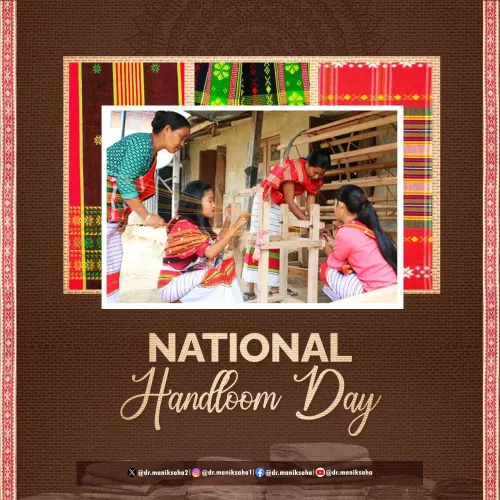
National Handloom Day has been observed every year on 7 August since 2015, when the Government of India chose the date to mark the anniversary of the Swadeshi movement — a deliberate link between the handloom loom and the idea of economic self-reliance. The date carries weight: it was on 7 August 1905 that the Swadeshi movement was formally proclaimed in Calcutta, making hand-spun and hand-woven cloth a symbol of national resistance. For Chhattisgarh, the occasion is more than ceremonial. The state is home to distinct weaving traditions — including Tussar silk and tribal textile practices — that represent both cultural identity and rural livelihood for thousands of artisan families.Chhattisgarh's Weavers and the Pressure They Face
Handloom weavers across India, including those in Chhattisgarh, have long contended with competition from powerloom and synthetic textile sectors that undercut them on price and speed. National and state-level programmes have periodically targeted this gap — focusing on market access, skill upgradation, and credit facilities — but the structural challenge persists. CM Sai's post underscores his government's stated commitment to weaver empowerment: 'सम्मान, आजीविका के सशक्तीकरण तथा पारंपरिक हथकरघा शिल्प को नई पहचान और नए अवसर' — 'dignity, livelihood empowerment, and new identity and new opportunities for traditional handloom craft.' The language is aspirational; the test will be in budget allocations and scheme implementation in the months ahead. For now, the looms of Chhattisgarh have a Chief Minister on record saying their work is not just heritage — it is the future.Point of View
Where tribal and artisan communities form a significant voter base, visible solidarity with weavers carries electoral as well as cultural weight. The real signal to watch is whether this rhetorical commitment translates into concrete budget lines or new market-linkage schemes for the state's weaver clusters. Without that follow-through, the statement remains symbolic — warm, but thin on accountability.
NationPress
7 Aug 2026
Frequently Asked Questions
When is National Handloom Day celebrated in India?
National Handloom Day is celebrated every year on 7 August . It was first observed in 2015 by the Government of India to mark the anniversary of the Swadeshi movement proclaimed on 7 August 1905.
What did CM Vishnu Deo Sai say on National Handloom Day 2026?
CM Sai called the handloom tradition 'the living identity of labour, creativity, culture, and self-pride,' saluted Chhattisgarh's weavers, and reaffirmed his government's commitment to their dignity, livelihood empowerment, and new opportunities for traditional handloom craft.
What handloom traditions does Chhattisgarh have?
Chhattisgarh is known for Tussar silk weaving and diverse tribal textile practices that have been passed down through generations of artisan families across the state.
Why is National Handloom Day observed on 7 August?
The date marks the anniversary of the Swadeshi movement , formally proclaimed on 7 August 1905 in Calcutta, which made hand-spun and hand-woven cloth a symbol of economic self-reliance and national identity.
What challenges do handloom weavers in Chhattisgarh face?
Handloom weavers face stiff competition from powerloom and synthetic textile sectors that undercut them on price and speed. Government programmes focus on market access, skill upgradation, and credit facilities to address these structural pressures.