CM Sai Honours Cooperatives, Launches Tendu Patta Incentive Payout
Synopsis
Chief Minister Vishnu Deo Sai attended a state cooperative conference marking five years of the Union Ministry of Cooperation, honouring top societies with the Sahkar Prerna Puraskar, launching over ₹162 crore in tendu patta incentives for 7.14 lakh collectors, and unveiling the Cooperation Department's online portal.
Key Takeaways
CM Vishnu Deo Sai attended a state-level cooperative conference on 3 July 2026 marking the fifth anniversary of the Union Ministry of Cooperation .
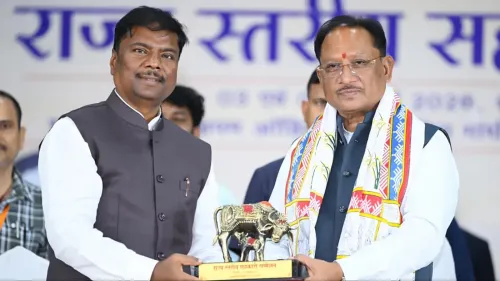
Outstanding cooperative societies were felicitated with the Sahkar Prerna Puraskar (Cooperative Inspiration Award).
Disbursement of over ₹162 crore in incentive remuneration for 7.14 lakh tendu patta collectors for collection year 2023 was formally launched.
The Chhattisgarh Cooperation Department online portal was inaugurated to digitise cooperative services and improve transparency.
Women self-help groups received dividend distributions and eligible beneficiaries received Kisan Credit Card (KCC) loans at the event.
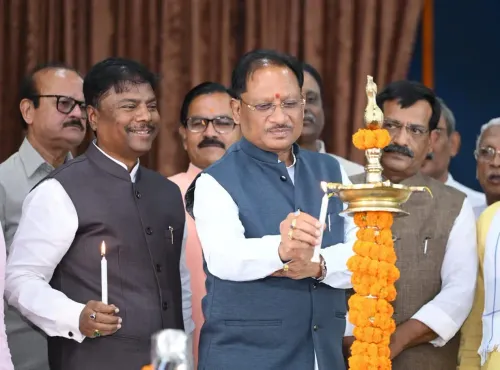
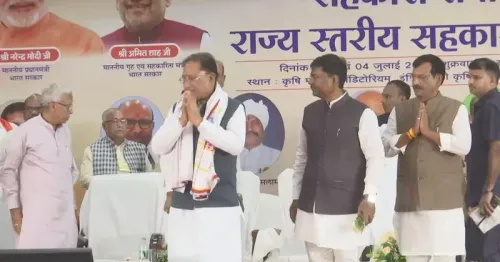
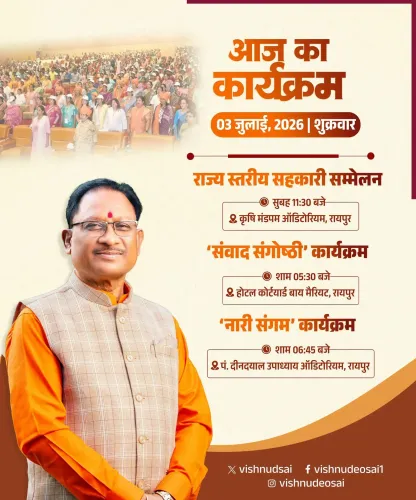
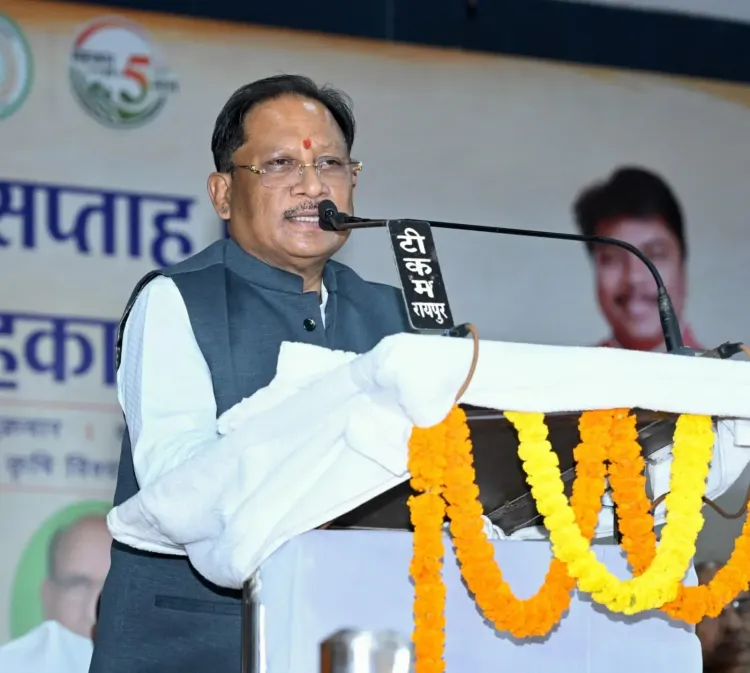
The Chief Minister's Office of Chhattisgarh announced on Friday, 3 July 2026 that Chief Minister Vishnu Deo Sai attended a state-level cooperative conference marking the fifth anniversary of the Union Ministry of Cooperation, where he felicitated outstanding cooperative societies with the 'Sahkar Prerna Puraskar' (Cooperative Inspiration Award) and launched the distribution of incentive remuneration for tendu leaf collectors.
At the event, CM Sai initiated the disbursement of over ₹162 crore in incentive payments for 7.14 lakh tendu patta collectors for the collection year 2023. The Chief Minister also launched an online portal for the Chhattisgarh Cooperation Department, aimed at digitising the cooperative ecosystem in the state.
Context
The conference was organised to commemorate five years of the Union Ministry of Cooperation, which was established in July 2021 under the slogan 'Sahkar Se Samriddhi' (Prosperity Through Cooperation). The ministry was created to revitalise India's cooperative movement through policy support and institutional reforms, and state governments have since aligned their cooperative programmes to this national framework.
Chhattisgarh has a long-standing tradition of tendu leaf procurement as a pillar of its minor forest produce policy, providing seasonal livelihoods to lakhs of tribal and rural households. The annual incentive payout is a key mechanism through which the state government redistributes cooperative surplus earnings to ground-level collectors.
Policy Backdrop
The Sahkar Prerna Puraskar recognises high-performing cooperative societies within Chhattisgarh, incentivising best practices and institutional excellence across the sector. By honouring these societies at a state-level platform, the government signals its intent to scale successful models across districts.
The launch of the Cooperation Department online portal is part of a broader push to digitise cooperative governance, improve transparency in transactions, and ease access to services for members. This aligns with the Atmanirbhar Bharat and Viksit Bharat agendas that seek to integrate rural and tribal economies into formal digital frameworks.
Additionally, Kisan Credit Card (KCC) loans were distributed to eligible beneficiaries at the event. The KCC scheme, operational since 1998, provides short-term credit to farmers and has been progressively extended to cooperative members, strengthening their financial inclusion.
Stakeholders and Impact
The most immediate beneficiaries are the 7.14 lakh tendu patta collectors of collection year 2023, who stand to receive a share of the ₹162 crore-plus incentive pool. Tendu leaves, used in the production of traditional bidis, are a critical source of seasonal income for tribal communities across the state's forested regions.
Women self-help groups (SHGs) were also direct beneficiaries at the conference, receiving dividend distributions — a step that reinforces the cooperative sector's role in women's economic empowerment at the grassroots level. The KCC loan disbursals further extend formal credit access to smallholder farmers and cooperative members who may otherwise rely on informal lending.
What's Next
The key metric to watch in coming months is the adoption and operationalisation of the newly launched Cooperation Department online portal. Its reach among cooperative societies and individual members will determine whether the digitisation push translates into tangible improvements in service delivery and financial transparency.
As Chhattisgarh deepens its integration of minor forest produce systems, self-help groups, and formal credit channels within the cooperative framework, the state's model could serve as a reference point for other forest-rich states seeking to align tribal livelihoods with national cooperative policy goals.
Point of View
Cooperative sector reform, and digital governance — all framed around the fifth-anniversary milestone of the Union Ministry of Cooperation. By personally presiding over the ₹162 crore tendu patta disbursement, CM Sai reinforces the BJP government's outreach to Chhattisgarh's large tribal voter base ahead of the political cycle. The simultaneous launch of a digital portal signals intent to modernise cooperative infrastructure, though actual impact will depend on grassroots adoption in districts with limited internet access. Taken together, the event positions Chhattisgarh as a proactive state partner in the Centre's 'Sahkar Se Samriddhi' agenda.
NationPress
3 Jul 2026
Frequently Asked Questions
What is the Sahkar Prerna Puraskar awarded by CM Sai?
The Sahkar Prerna Puraskar is a state-level award given by the Chhattisgarh government to recognise high-performing and outstanding cooperative societies for their contributions to the cooperative sector.
How much incentive money will tendu patta collectors receive in Chhattisgarh?
Over ₹162 crore in incentive remuneration has been earmarked for distribution among 7.14 lakh tendu patta collectors for the collection year 2023 in Chhattisgarh.
What is the Ministry of Cooperation and when was it formed?
The Union Ministry of Cooperation was established in July 2021 to strengthen and revitalise India's cooperative movement, operating under the slogan 'Sahkar Se Samriddhi' (Prosperity Through Cooperation).
What is the new Chhattisgarh Cooperation Department online portal?
CM Sai launched an online portal for the Chhattisgarh Cooperation Department on 3 July 2026 to digitise cooperative governance, improve service access for members, and enhance transparency in cooperative transactions.
Who are tendu patta collectors in Chhattisgarh?
Tendu patta collectors are primarily tribal and rural community members in Chhattisgarh who gather tendu leaves from forests; these leaves are used in bidi production and form a critical seasonal income source for lakhs of households.