CM Sai Salutes NHM Workers at Raipur Conclave
Synopsis
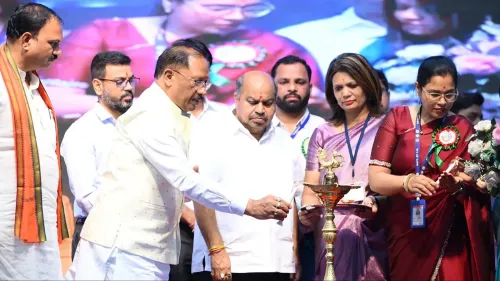
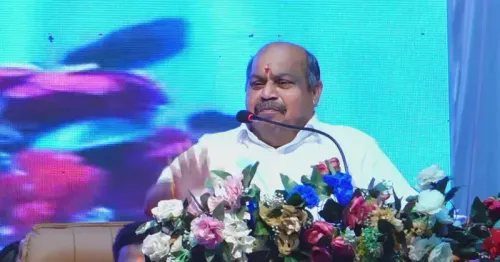
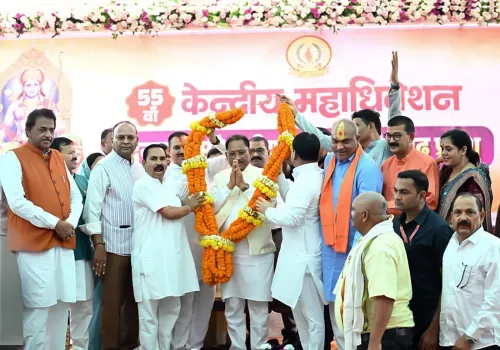
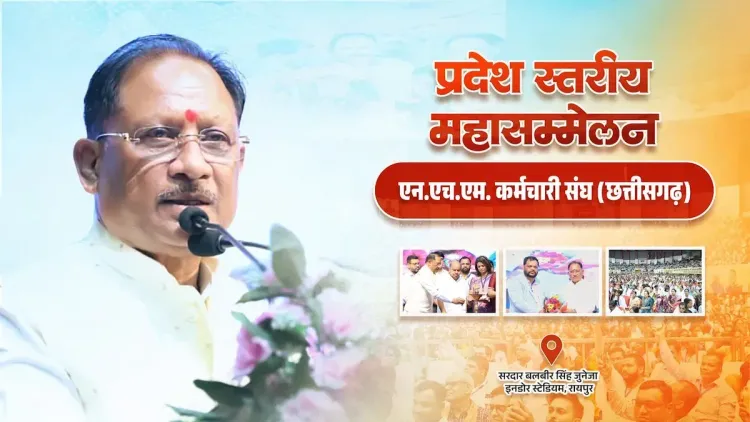
Chief Minister Vishnu Deo Sai attended the Chhattisgarh Pradesh NHM Employees Union convention in Raipur on 14 June 2026, honouring health workers bridging remote tribal regions and cities, and calling healthy citizens the greatest strength of a developed Chhattisgarh.
Key Takeaways
Chief Minister Vishnu Deo Sai attended the Chhattisgarh Pradesh NHM Employees Union grand convention in Raipur on 14 June 2026 .
He honoured NHM workers for their dedication, service spirit, and commitment to public welfare across remote forested areas and cities.
The CM stated that 'healthy citizens are the greatest strength of a developed Chhattisgarh,' linking public health directly to the state's development goals.
The National Health Mission was launched nationally in 2005 and expanded in 2013 to cover urban health and disease-control components.
NHM workers in Chhattisgarh are critical to last-mile health delivery in tribal districts such as Bastar and Surguja .
Contractual staff regularisation and the next state health budget remain key issues to watch in the coming assembly session.
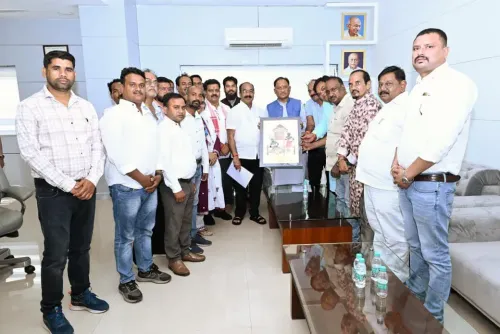
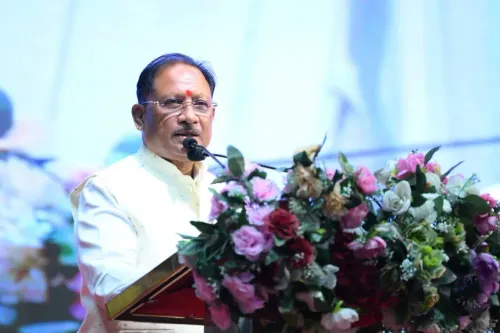
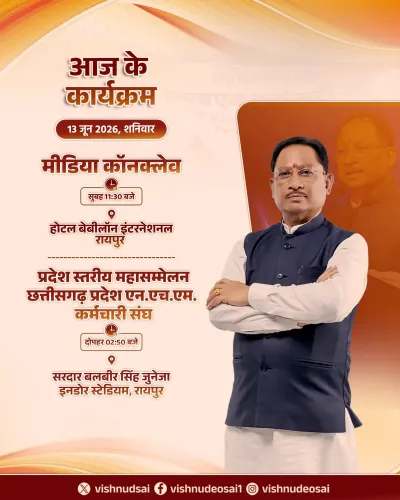
Chhattisgarh Chief Minister Vishnu Deo Sai on Sunday, 14 June 2026, attended the grand convention of the Chhattisgarh Pradesh NHM Employees Union in Raipur, honouring the dedication and public-service commitment of the state's National Health Mission workforce.
Context
Addressing the gathering, Chief Minister Sai underscored that 'स्वस्थ नागरिक ही विकसित छत्तीसगढ़ की सबसे बड़ी शक्ति हैं' — 'healthy citizens are the greatest strength of a developed Chhattisgarh.' The remark frames public health not merely as a welfare obligation but as a foundational pillar of the state's development ambition.
The Chief Minister credited NHM workers with forming a 'strong link' in health service delivery stretching from remote forested regions to urban centres, calling their role 'important' in building a healthy and developed Chhattisgarh.
Policy Backdrop
The National Health Mission (NHM) is a flagship centrally sponsored programme, first launched as the National Rural Health Mission in 2005 and expanded in 2013 to integrate urban health components and additional disease-control verticals. In a state like Chhattisgarh — where large tribal populations inhabit densely forested districts — NHM field workers are often the primary, and sometimes sole, point of contact between citizens and the formal health system.
State-level conventions of this kind serve a dual purpose: recognising the contractual workforce that powers last-mile delivery, and signalling political commitment to the mission's continuation and resourcing. Chhattisgarh's approach mirrors a national pattern in which state governments leverage centrally sponsored health missions while publicly crediting on-ground implementation teams.
Stakeholders and Impact
NHM employees in Chhattisgarh include health workers, nurses, data-entry operators, and programme managers, many of whom serve on contractual terms. Their morale and retention directly affect the quality of primary healthcare in the state's tribal belt — districts that have historically recorded poorer maternal, infant, and communicable-disease outcomes compared with urban centres.
Tribal communities across Bastar, Surguja, and other forested divisions stand as the most direct beneficiaries of a robust NHM cadre. Any policy move toward regularisation or improved service conditions for these workers would have immediate implications for health-access equity in the state.
What's Next
Observers will watch the Chhattisgarh state assembly's next session for signals on the health budget and any proposals to regularise NHM contractual staff — a longstanding demand of employee unions across several states. Chief Minister Sai's public recognition of the workforce at a formal union convention raises expectations that concrete policy announcements may follow. The event in Raipur is likely to set the tone for the state government's engagement with its public-health cadre through the remainder of 2026.
Point of View
' the BJP-led government aligns state messaging with the Centre's 'Viksit Bharat' narrative while addressing a restive contractual workforce. The event follows a national pattern in which ruling parties use recognition ceremonies to pre-empt demands for regularisation without committing to immediate budgetary action. Chhattisgarh's tribal geography makes NHM cadre morale a genuine governance concern, not merely optics — staff attrition in remote postings directly translates into health-outcome gaps for some of India's most vulnerable communities. Whether the convention produces concrete policy commitments will determine if this is a turning point or a routine goodwill gesture.
NationPress
19 Sept 2026
Frequently Asked Questions
Who attended the Chhattisgarh NHM Employees Union convention in Raipur in June 2026?
Chhattisgarh Chief Minister Vishnu Deo Sai attended the Chhattisgarh Pradesh NHM Employees Union grand convention in Raipur on 14 June 2026 and honoured the health workforce.
What is the National Health Mission and how does it work in Chhattisgarh?
The National Health Mission is a centrally sponsored programme launched in 2005 to strengthen public health systems, especially in rural and tribal areas. In Chhattisgarh, NHM workers serve as the primary healthcare link in remote forested districts and urban centres alike.
What did CM Vishnu Deo Sai say about NHM workers?
CM Sai said that healthy citizens are the greatest strength of a developed Chhattisgarh, and credited NHM workers with forming a strong chain of health services from remote forested areas to cities.
What are the demands of NHM employees in Chhattisgarh?
NHM employees across India, including Chhattisgarh, have long demanded regularisation of their contractual positions and improved service conditions. These issues are expected to come up in the next Chhattisgarh assembly session.
Why are NHM workers important in Chhattisgarh's tribal regions?
Chhattisgarh has large tribal populations in districts like Bastar and Surguja where NHM field workers are often the only formal healthcare contact. Their presence directly affects maternal health, infant mortality, and communicable disease control in these areas.