CM Sai Hosts Navratri Garba at Chhattisgarh CM Residence
Synopsis
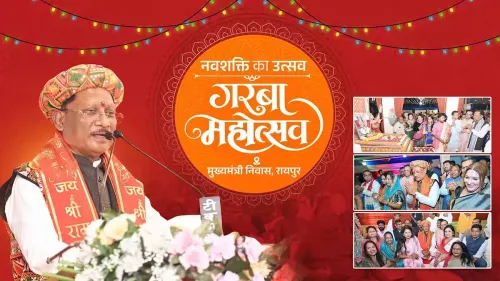
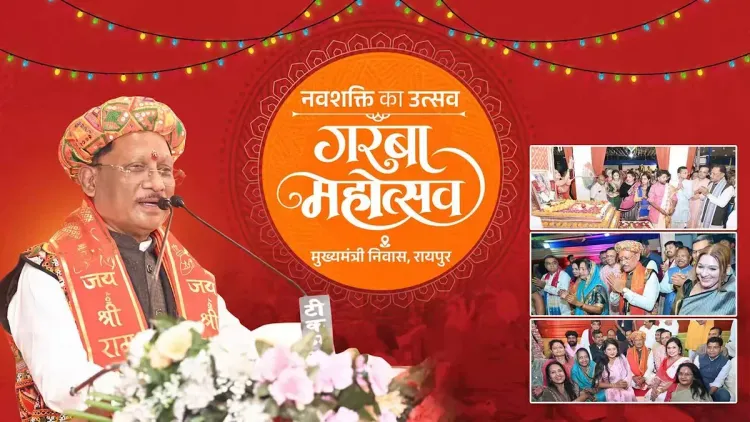
Chief Minister Vishnu Dev Sai hosted a Garba Mahotsav at his official Raipur residence on 17 October 2026, celebrating Shardiya Navratri and honouring women under the 'Shakti ka vandan, Nari Shakti ka abhinandan' theme.
Key Takeaways
CM Vishnu Dev Sai organised a Garba Mahotsav at the Chief Minister's residence in Raipur on 17 October 2026 .
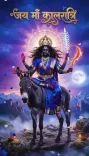
The event marked Shardiya Navratri 2026 , the nine-night Hindu festival dedicated to the goddess Durga.
The occasion was themed 'Shakti ka vandan, Nari Shakti ka abhinandan' — saluting power and honouring women.
Hashtags used — #MahtariKaSamman , #MahtariKeMaan — echo the language of the state's flagship Mahtari Vandan Yojana for women.
Hosting Garba at official residences is a consistent practice in BJP-ruled states , blending religious observance with governance messaging.
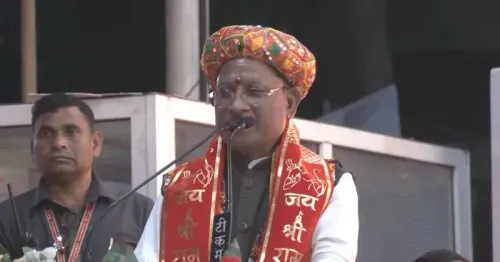
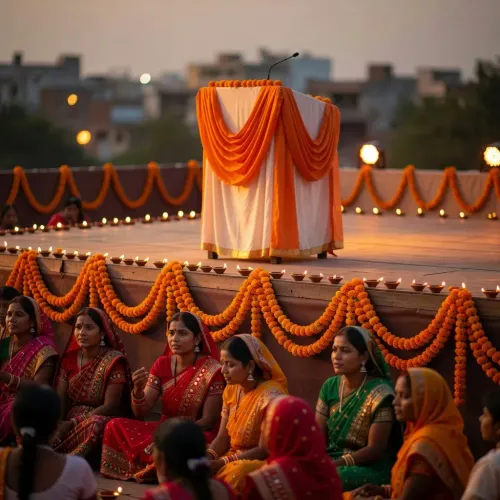
Drums, colour, and devotion filled the Chief Minister's residence in Raipur as Chief Minister Vishnu Dev Sai hosted a Garba Mahotsav on Saturday, 17 October 2026, to mark Shardiya Navratri 2026 — the nine-night festival honouring the goddess Durga that sweeps across India every autumn.
The Chief Minister's Office of Chhattisgarh shared the event on X, quoting the occasion as 'Shakti ka vandan, Nari Shakti ka abhinandan' — 'Saluting power, honouring the power of women.' CM Sai extended warm Navratri greetings to all residents of the state, framing the celebration around both religious reverence and the dignity of women under the hashtag #MahtariKaSamman — 'Respect for the mother.'
Garba at the official residence — a tradition and a signal
Organising Garba at the seat of government is not incidental. BJP-ruled states have made it a deliberate practice to host Navratri cultural programmes at Raj Bhavans and Chief Ministers' residences, blending official functions with religious and cultural observance in a visible display of civilisational identity. Chhattisgarh, a central Indian state with deep tribal roots and a rich tradition of folk dance, carries its own distinctive Garba character into these evenings.
Vishnu Dev Sai, who became Chief Minister in December 2023 after the BJP's decisive win in Chhattisgarh, has consistently linked state governance to themes of Mahtari — the Chhattisgarhi word for 'mother' — as a cultural touchstone. The Navratri event sits squarely within that register: feminine divinity as both spiritual celebration and political symbolism.
Nari Shakti framing and the Mahtari motif
The hashtags chosen — #NariShakti, #MahtariKaSamman, #MahtariKeMaan — are not accidental. They echo the language of the Mahtari Vandan Yojana, the state's women-focused welfare scheme that has become a flagship of the Sai government. Navratri, with its explicit veneration of feminine divinity across nine forms of the goddess, provides the cultural moment to reinforce that messaging at scale.
With the festival running through the rest of the week, additional state-level cultural programmes and possibly further women-welfare announcements could follow — Navratri has increasingly become a season when state governments amplify women-centric policy communication alongside the ritual celebrations.
From Durga puja pandals in the east to Garba nights in the centre and west, India is mid-festival right now. In Raipur, the Chief Minister danced that tradition into the official calendar — and made sure the whole state was invited, if only on screen.
Point of View
The 'Mahtari' framing — borrowing the Chhattisgarhi word for mother — has been a consistent bridge between folk identity and state welfare communication since December 2023. Navratri provides the ideal ritual backdrop to amplify women-centric messaging ahead of any forthcoming policy announcements. The event is ceremonial in form but politically deliberate in its cultural signalling.
NationPress
17 Oct 2026
Frequently Asked Questions
What event did CM Vishnu Dev Sai organise for Navratri 2026?
CM Vishnu Dev Sai hosted a Garba Mahotsav at the Chief Minister's official residence in Raipur on 17 October 2026 to celebrate Shardiya Navratri.
What is the theme of Chhattisgarh's Navratri 2026 celebration?
The theme was 'Shakti ka vandan, Nari Shakti ka abhinandan' — saluting the power of the goddess and honouring the power of women.
What does 'Mahtari' mean in Chhattisgarhi?
'Mahtari' is the Chhattisgarhi word for 'mother', and it is the cultural anchor of several Chhattisgarh government women-welfare initiatives including the Mahtari Vandan Yojana.
When did Vishnu Dev Sai become Chief Minister of Chhattisgarh?
Vishnu Dev Sai became Chief Minister of Chhattisgarh in December 2023 after the BJP won state assembly elections.
Why do BJP-ruled states host Garba at official residences during Navratri?
It is a consistent practice in BJP-governed states to host Navratri cultural programmes at official residences, blending religious and cultural observance with governance visibility.