CM Sai Orders War-Footing Flood Relief Across Chhattisgarh

Synopsis
Chief Minister Vishnu Deo Sai has directed war-footing flood relief across Chhattisgarh, prioritising evacuation and deploying food, medicines, health camps, and shelter for families hit by heavy rains in Bastar, Sukma, and other districts.
Key Takeaways
CM Vishnu Deo Sai has personally ordered relief and rescue operations on a war footing across multiple flood-affected districts of Chhattisgarh.
The government has arranged food, medicines, health camps, and safe shelter for all displaced and affected residents.
Districts of Bastar and Sukma in Chhattisgarh's southern belt are among the worst-affected areas explicitly named by the state.
The State Disaster Management Authority , constituted under the Disaster Management Act, 2005, is coordinating the response.
Safe evacuation of every citizen has been declared the highest priority by the Chief Minister.
Analysts will watch for central government assistance requests via the National Disaster Response Fund and the pace of connectivity restoration.
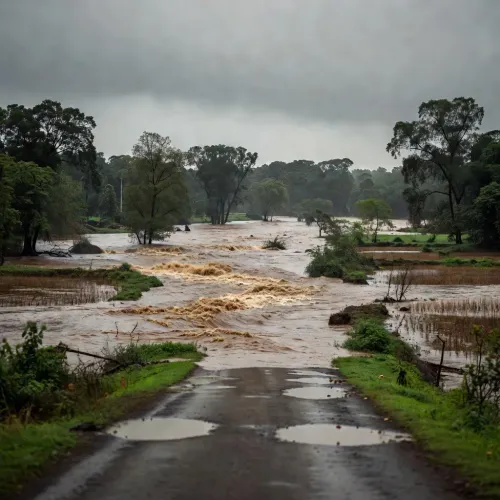
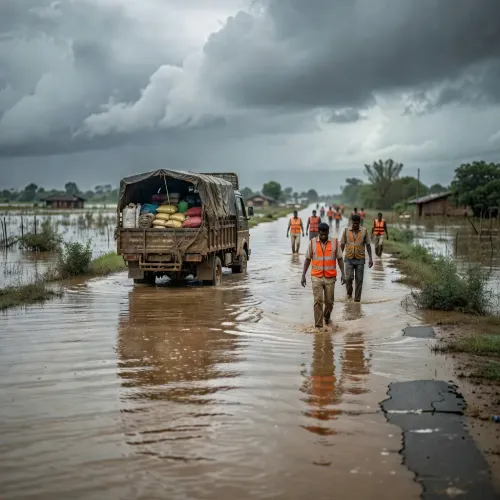
With heavy rain battering several districts of Chhattisgarh and families stranded by rising floodwaters, Chief Minister Vishnu Deo Sai has ordered relief and rescue operations to be conducted on a war footing — and the state government says it is standing beside every affected household.
The Chief Minister's Office of Chhattisgarh confirmed on Tuesday, September 29, 2026 that Mr Sai has personally directed the response, with food supplies, medicines, health camps, and safe shelter arranged for displaced residents across multiple flood-hit districts. The CM's stated priority is unambiguous: 'Aapda se har nagarik ko surakshit bahar nikalna hi hamari sarvoch prathamikta hai' — 'Evacuating every citizen safely from the disaster is our highest priority.'
Bastar and Sukma at the Eye of the Storm
The districts of Bastar and Sukma — explicitly flagged in the government's communication — sit in Chhattisgarh's southern belt, a region where dense forest cover, tribal hamlets, and riverine terrain make emergency access a logistical puzzle even in dry weather. During a heavy monsoon, roads wash out, bridges submerge, and communities can be cut off for days.
Sukma, part of the broader Bastar division, has historically faced a double vulnerability: seasonal flooding compounded by infrastructure gaps in its interior areas. Getting relief convoys through is never straightforward. That the state government has named these specific districts signals where the stress is greatest right now.
The Sai Government's Disaster Machinery
Chief Minister Sai, who took office in December 2023 after the BJP's assembly election victory, is deploying the state's disaster management architecture — built under the Disaster Management Act, 2005 — to coordinate the response. Chhattisgarh's State Disaster Management Authority is the nodal body that links district administrations, rescue teams, and health departments during events like this.
The annual southwest monsoon routinely triggers flooding in low-lying and riverine pockets of Chhattisgarh's southern districts. What matters in these situations is response time and the ability to sustain relief in areas where connectivity collapses fast. The government's emphasis on health camps alongside food and shelter reflects the post-flood disease risk — waterborne illness can turn a flood emergency into a longer public-health crisis.
What the Coming Days Will Reveal
The scale of the state's response will sharpen as evacuation numbers come in, and attention will turn to whether Raipur requests central assistance through the National Disaster Response Fund. Restoration of road and communication links in Bastar and Sukma will be the clearest measure of how quickly normalcy returns to the worst-affected pockets.
For now, the Sai administration has made its position public: no family left behind, and rescue operations running at full throttle until the floodwaters recede.
Point of View
Visible communication during a flood emergency reflects a broader BJP governance playbook that emphasises real-time public reassurance alongside administrative action — particularly important in Chhattisgarh's southern tribal districts where state presence has historically been contested. Naming Bastar and Sukma specifically is a deliberate signal: these are politically and strategically sensitive districts where the government wants to demonstrate reach. The emphasis on health camps beyond food and shelter shows an evolved disaster-management posture that anticipates secondary crises. Whether the on-ground delivery matches the messaging will shape the Sai administration's credibility ahead of any future electoral cycle.
NationPress
29 Sept 2026
Frequently Asked Questions
Which Chhattisgarh districts are worst affected by floods in September 2026?
The Chief Minister's Office has specifically named Bastar and Sukma as flood-affected districts, along with several other districts across the state experiencing heavy rain and flood conditions.
What relief measures has the Chhattisgarh government arranged for flood victims?
The state government has arranged food, medicines, health camps, and safe shelter for affected families, with rescue operations running on a war footing under CM Vishnu Deo Sai's direct orders.
Who is Vishnu Deo Sai and when did he become Chief Minister of Chhattisgarh?
Vishnu Deo Sai is a BJP leader who became Chief Minister of Chhattisgarh in December 2023 after the party's victory in the state assembly elections.
Which authority manages disaster response in Chhattisgarh?
The Chhattisgarh State Disaster Management Authority , set up under the Disaster Management Act, 2005, is the nodal body coordinating flood relief and rescue across districts.
Can Chhattisgarh request central government funds for flood relief?
Yes, state governments can request financial assistance from the National Disaster Response Fund managed by the central government when a disaster exceeds state capacity — a step analysts expect to watch for in this situation.