CM Sai Observes Hareli Tihar, Worships Cows in Chhattisgarh
Synopsis
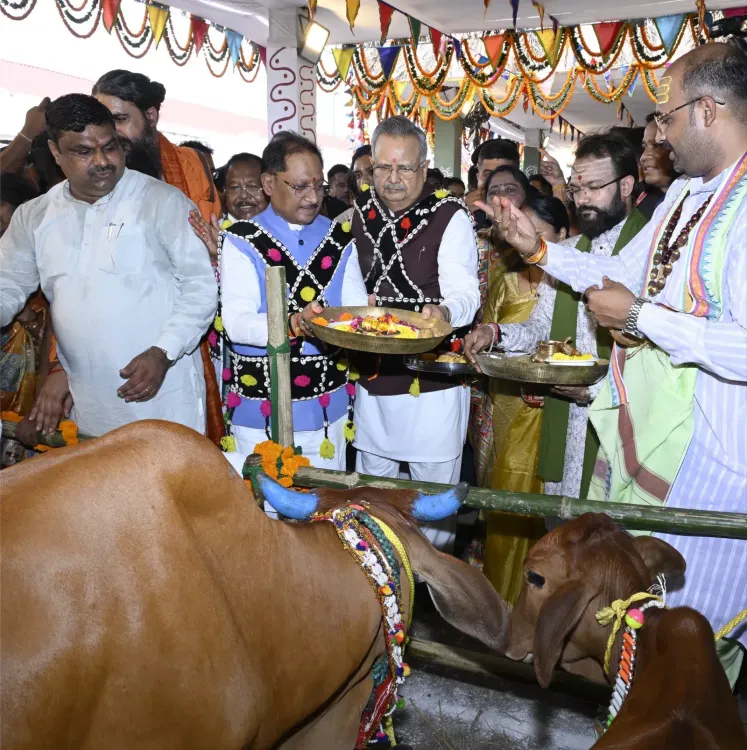
Chhattisgarh Chief Minister Vishnu Deo Sai marked Hareli Tihar on 12 August 2026 by worshipping cows and feeding them londi — a traditional herbal offering — calling livestock an inseparable part of the family in a post written in Chhattisgarhi.
Key Takeaways
Hareli Tihar is one of Chhattisgarh's oldest agrarian festivals, rooted in the monsoon season and the agricultural calendar.
CM Vishnu Deo Sai performed puja of the cow and offered londi — a ball made from multiple medicinal plants — as a mark of gratitude.
The post was written in Chhattisgarhi , the local dialect, signalling a direct address to rural communities.
The festival connects livestock care, folk medicine, and indigenous cultural identity in Chhattisgarh's rural heartland.
State leaders across India use such observances to reinforce cultural continuity with agrarian and tribal constituencies.
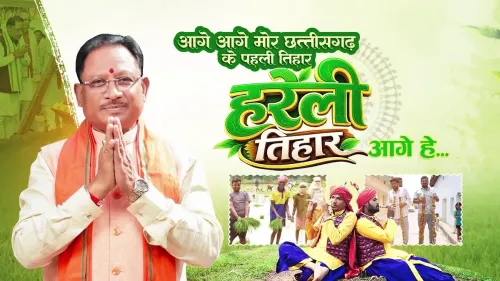
On the sacred occasion of Hareli Tihar, Chhattisgarh Chief Minister Vishnu Deo Sai offered prayers to the cow and fed her londi — a traditional herbal ball — and green fodder, marking one of the state's most cherished agrarian festivals on Wednesday, 12 August 2026.
Writing in Chhattisgarhi, CM Sai captured the spirit of the day plainly: 'Hamar sanskriti ma pasudhan sirif jeev nai, parivar ke ek hissa aay' — 'In our culture, livestock are not merely animals; they are a part of the family.' The gesture of feeding londi, made from a blend of medicinal and seasonal plants, is a living expression of gratitude woven into rural Chhattisgarh's everyday life.
What Hareli Tihar means to Chhattisgarh's villages
Hareli Tihar is among the earliest festivals of the Chhattisgarhi calendar, falling at the start of the sawan month when the monsoon is in full force and fields are green. The name itself — hareli, from hara, meaning green — signals its roots in the agricultural cycle. Farmers worship their tools, cattle are bathed and adorned, and the londi offering to cows is a ritual of reciprocity: the animal that sustains the household is fed the best the forest and field can provide.
For Chhattisgarh, a state where a large share of the population depends on farming and where tribal and indigenous traditions remain vibrant, festivals like Hareli are not folklore preserved in museums — they are living practice. The cow occupies a central place in that practice, as a working animal, a symbol of prosperity, and, as CM Sai put it, a member of the family.
Elected leaders and the cultural calendar
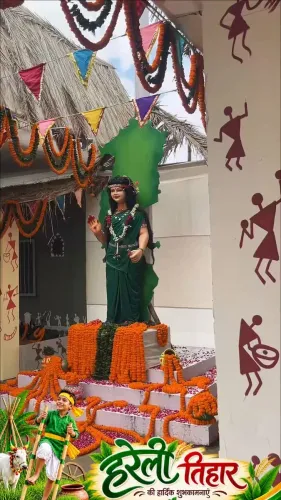
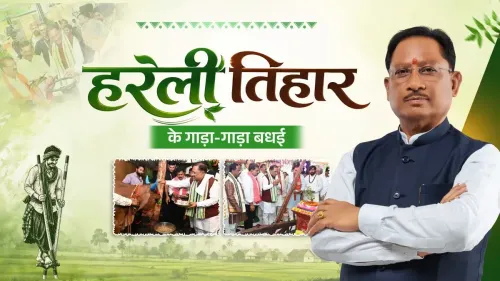
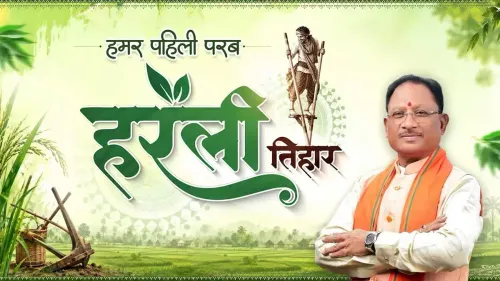
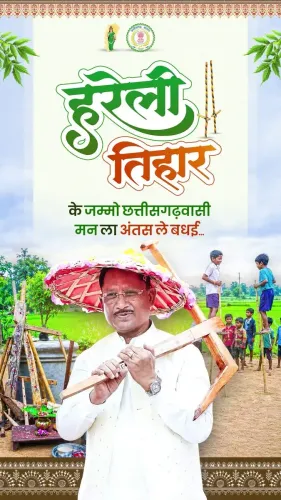
State leaders across India increasingly mark local harvest and nature-linked festivals on social media, using the moment to signal cultural continuity and connect with rural constituencies. CM Sai's post, shared with three images from the observance, fits that pattern — but the Chhattisgarhi language in which he chose to write gives it a distinctly local register, speaking directly to the communities for whom the festival carries the most meaning.
The londi detail is worth noting. It is not a generic 'we celebrated a festival' post. The specific mention of a multi-herb preparation tied to folk medicine and gratitude reflects a tradition where the act of care for livestock is also an act of ecological knowledge — passed down through generations of farming families in the Chhattisgarh plains and forests.
Hareli marks the beginning of a season. The fields are planted, the rains have arrived, and the outcome is still uncertain. The ritual is, at its core, an acknowledgement of that dependence — on land, on rain, and on the animals that make cultivation possible. CM Sai's participation puts the office of the Chief Minister squarely inside that tradition.
Point of View
Which has invested heavily in cultural and civilisational messaging, marking such festivals through the Chief Minister's office reinforces a narrative of governance rooted in local identity. The londi detail elevates this beyond a routine social-media post: it anchors the gesture in specific, verifiable folk practice rather than generic symbolism. Across India's states, the political calendar is increasingly shaped by the agrarian and religious calendar — Hareli is Chhattisgarh's version of that broader pattern.
NationPress
12 Aug 2026
Frequently Asked Questions
What is Hareli Tihar and when is it celebrated?
Hareli Tihar is a traditional Chhattisgarhi festival that marks the start of the sawan month during the monsoon season. It celebrates greenery, agriculture, and livestock, with farmers worshipping their cattle and tools.
What is londi in the context of Hareli Tihar?
Londi is a herbal ball made from a blend of medicinal and seasonal plants, offered to cows during Hareli Tihar as a gesture of gratitude and care. It is a distinctive folk ritual tied to Chhattisgarh's indigenous traditions.
Why did CM Vishnu Deo Sai post in Chhattisgarhi?
CM Sai wrote in Chhattisgarhi, the local dialect, to connect directly with rural and tribal communities in the state for whom Hareli Tihar holds deep cultural significance.
What does Hareli Tihar signify for Chhattisgarh's farmers?
Hareli marks the point in the agricultural calendar when fields are sown and the monsoon is active. It is a ritual of gratitude toward livestock, the land, and nature — central to the livelihood of Chhattisgarh's farming communities.
Who is Vishnu Deo Sai?
Vishnu Deo Sai is the Chief Minister of Chhattisgarh and a senior BJP leader, sworn in after the BJP's victory in the state assembly elections.