CM Sai attends Karma Tihar, announces ₹1 Cr for tribal culture
Synopsis
Chief Minister Vishnu Deo Sai joined Karma Tihar celebrations in Raipur, calling it a symbol of tribal culture and nature conservation, and announced ₹90 lakh for Kanwar Samaj infrastructure and ₹10 lakh yearly for the Karma Mahotsav festival.
Key Takeaways
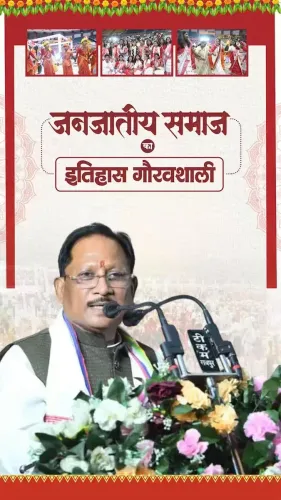
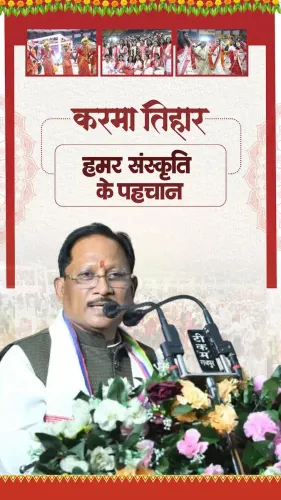
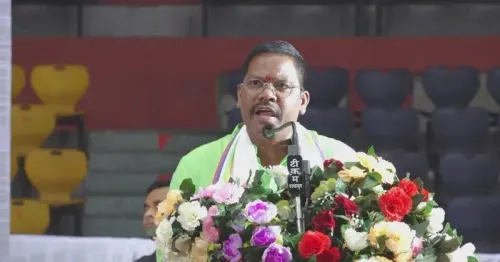
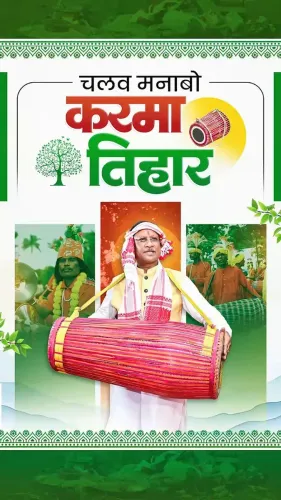
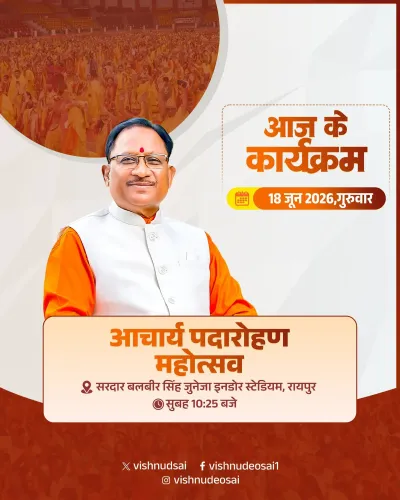
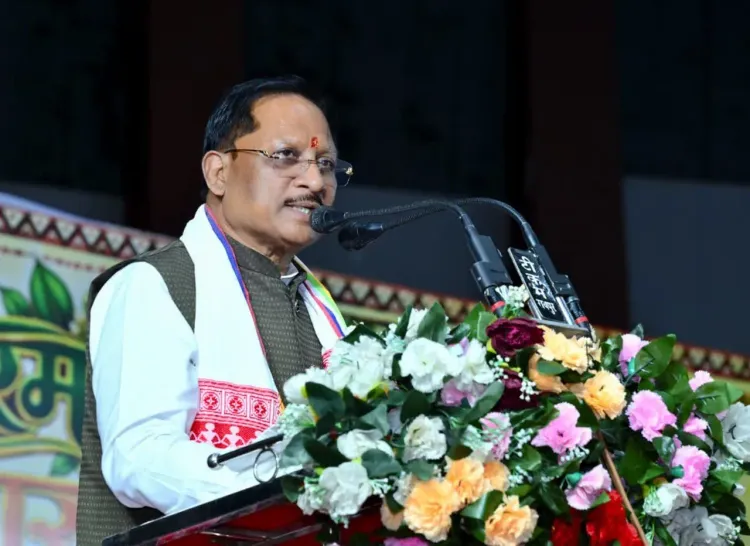
Chief Minister Vishnu Deo Sai attended Karma Tihar at Sardar Balbir Singh Juneja Indoor Stadium , Raipur on 10 October 2026 .
He described the festival as a symbol of tribal culture, tradition, and nature conservation.
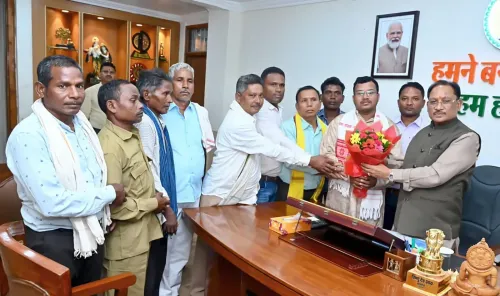
CM Sai announced ₹90 lakh for construction of buildings and a cultural stage for the Kanwar Samaj .
A recurring grant of ₹10 lakh per year was announced for organising the Karma Mahotsav in Raipur.
The CM urged youth to embrace education, drug-free living, social unity, and environmental protection.
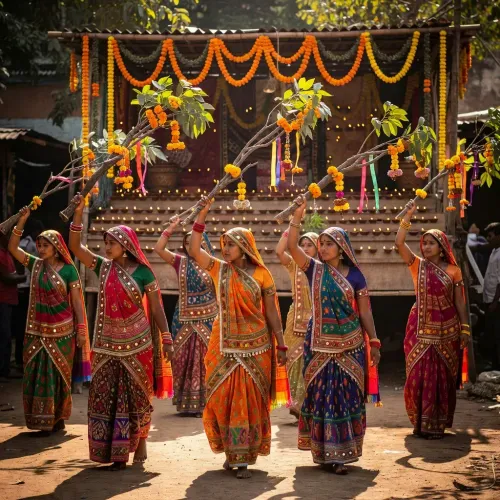
Karma Tihar is a major tribal festival linked to the Karma tree, observed across Chhattisgarh, Jharkhand, and Odisha.
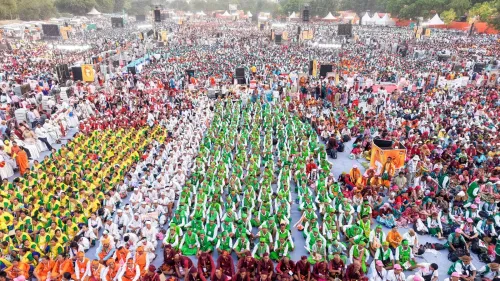
A festival rooted in forest, faith, and community brought Chief Minister Vishnu Deo Sai to Sardar Balbir Singh Juneja Indoor Stadium in Raipur on Saturday, 10 October 2026, where he joined the Karma Tihar celebrations alongside members of the Kanwar community and pledged concrete state support for the occasion.
Addressing the gathering, the Chief Minister described Karma Tihar as a symbol of 'janjatiya sanskriti, parampara aur prakriti sanrakshan' — tribal culture, tradition, and nature conservation. He used the platform to call on young people to commit to education, drug-free living, social unity, and environmental protection — framing the ancient festival as a living guide for contemporary challenges.
₹1 crore pledge for Kanwar community infrastructure and festival
The Chief Minister made two financial announcements from the stage. He declared ₹90 lakh for the construction of buildings and a cultural stage for the Kanwar Samaj — a resource that the community has long sought to anchor its cultural and social activities. He further announced ₹10 lakh annually for organising the Karma Mahotsav in Raipur every year, institutionalising what has until now been a community-driven event into the state's cultural calendar.
Karma Tihar: the festival at the heart of Chhattisgarh's tribal identity
Karma Tihar is one of central India's most significant tribal festivals, observed primarily by Oraon, Munda, and Kanwar communities across Chhattisgarh, Jharkhand, and parts of Odisha. Worshippers invoke the Karma tree — a branch of the Nauclea parvifolia — as a deity of prosperity, good fortune, and ecological balance. The festival's deep link to forest ecosystems makes its themes of nature conservation more than ceremonial: they are structural to the way these communities have historically managed land and resources.
For the Kanwar community in Chhattisgarh, Karma Tihar is a keystone social event, bringing dispersed families and villages together in a rare moment of collective identity. Holding the celebration at one of Raipur's largest indoor venues signals both the scale of the community's urban presence and the government's intent to give tribal cultural expressions a prominent civic stage.
Sai government's tribal outreach framing
Chief Minister Sai, himself a member of the Oraon tribe from Jashpur district, has consistently positioned his administration's identity around tribal welfare and cultural pride. The 'Suhaas Sarkar' — 'good governance' — tagline used in the post reflects the Bharatiya Janata Party-led state government's branding since it came to power in Chhattisgarh in December 2023. The Karma Tihar appearance and the accompanying announcements fit a pattern of high-visibility tribal community engagements that double as both cultural affirmation and political outreach ahead of local-body cycles.
The annual ₹10 lakh for the Raipur Karma Mahotsav may be modest in absolute terms, but its symbolism — state money regularising a tribal festival in the state capital — carries weight well beyond the rupee figure. The ₹90 lakh infrastructure grant for the Kanwar Samaj, meanwhile, addresses a tangible community need and provides a durable legacy from the occasion.
In a state where tribal populations account for roughly 30 percent of residents and where cultural identity often intersects sharply with electoral geography, festivals like Karma Tihar are rarely just celebrations. They are a conversation between the governed and the governing — and today, the government showed up with a cheque.
Point of View
The BJP-led government converts a ceremonial occasion into a tangible governance deliverable. For a CM who wears his Oraon tribal identity as both personal biography and political credential, these engagements reinforce authenticity in ways a policy paper cannot. The institutionalisation of the Karma Mahotsav in Raipur also reflects a broader national-level BJP strategy of elevating tribal festivals to mainstream civic prominence, positioning 'Jan Jatiya Gaurav' — tribal pride — as a cultural pillar alongside more widely known religious celebrations. Whether community leaders see the grants as meaningful investment or as electoral optics will depend on how quickly construction begins.
NationPress
10 Oct 2026
Frequently Asked Questions
What is Karma Tihar and which communities celebrate it?
Karma Tihar is a major tribal festival primarily celebrated by Oraon, Munda, and Kanwar communities in Chhattisgarh, Jharkhand, and Odisha. It centres on the worship of the Karma tree as a deity of prosperity and ecological balance.
How much money did CM Vishnu Deo Sai announce at Karma Tihar 2026?
CM Sai announced a total of ₹1 crore — ₹90 lakh for Kanwar Samaj buildings and a cultural stage, and ₹10 lakh annually for organising the Karma Mahotsav in Raipur.
Where was the Karma Tihar event held in Raipur?
The event was held at Sardar Balbir Singh Juneja Indoor Stadium in Raipur, Chhattisgarh, on 10 October 2026.
What did CM Sai urge young people to do at the Karma Tihar event?
He called on youth to commit to education, staying drug-free, maintaining social unity, and protecting the environment, framing these as values embedded in the Karma Tihar tradition.
Is Vishnu Deo Sai himself from a tribal community?
Yes, Chief Minister Vishnu Deo Sai belongs to the Oraon tribal community and hails from Jashpur district in Chhattisgarh.