CM Sai Hails 12 Years of Modi Govt Welfare Push
Synopsis
Chhattisgarh Chief Minister Vishnu Deo Sai on 13 June 2026 credited PM Narendra Modi's 12-year leadership with historic progress on Antyodaya welfare, saying development and dignity have reached the most marginalised sections of Indian society.
Key Takeaways
CM Vishnu Deo Sai praised PM Narendra Modi 's 12-year record on welfare in a post on 13 June 2026 .
The statement invokes the Antyodaya philosophy — uplifting the last person in the social order — a core BJP ideological tenet traced to Deendayal Upadhyaya .
Key central schemes in this arc include Pradhan Mantri Awas Yojana , Deendayal Antyodaya Yojana (both 2015 ), and Pradhan Mantri Garib Kalyan Anna Yojana ( 2020 ).
Chhattisgarh , with a large tribal and below-poverty-line population, is a major implementation ground for these national welfare programmes.
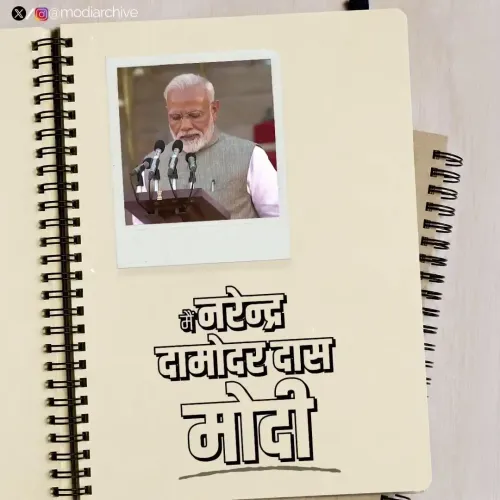
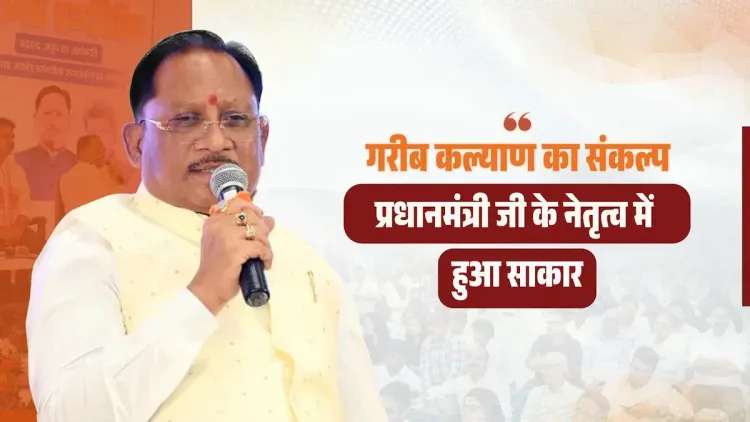
The post was accompanied by a video, suggesting a curated presentation of welfare achievements under the current government.
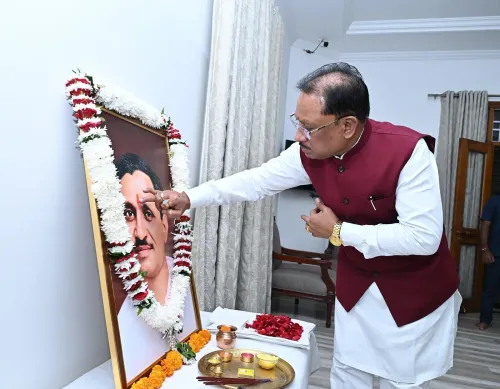
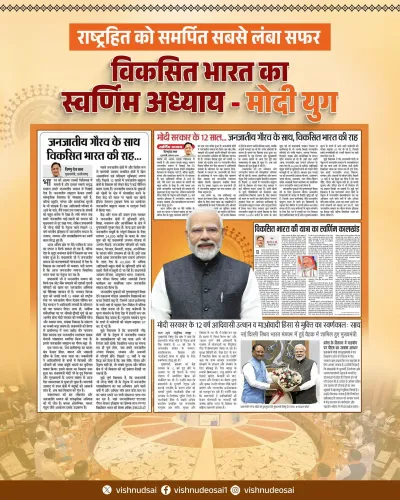
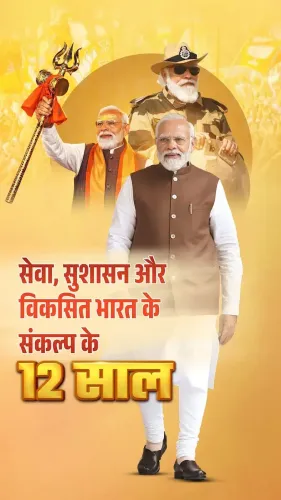
Chhattisgarh Chief Minister Vishnu Deo Sai on Saturday, 13 June 2026 credited Prime Minister Narendra Modi's leadership over the past 12 years with delivering historic progress on the Antyodaya vision — the principle of uplifting the last person in the social order. Sai said development, dignity, and opportunity had reached the most marginalised sections of society under the current central government.
Context
In his post, CM Sai wrote: 'यशस्वी प्रधानमंत्री श्री नरेंद्र मोदी जी के कुशल नेतृत्व में बीते 12 वर्षों में अंत्योदय के संकल्प को साकार करने की दिशा में ऐतिहासिक कार्य हुए हैं' ['Under the able leadership of the accomplished Prime Minister Shri Narendra Modi Ji, historic work has been done over the past 12 years to realise the resolve of Antyodaya']. He further stated that with the welfare of the poor as the highest priority, the light of development, respect, and opportunities has been extended to the person standing at the farthest end of society. The post was accompanied by a video, suggesting a curated presentation of welfare milestones.
Policy Backdrop
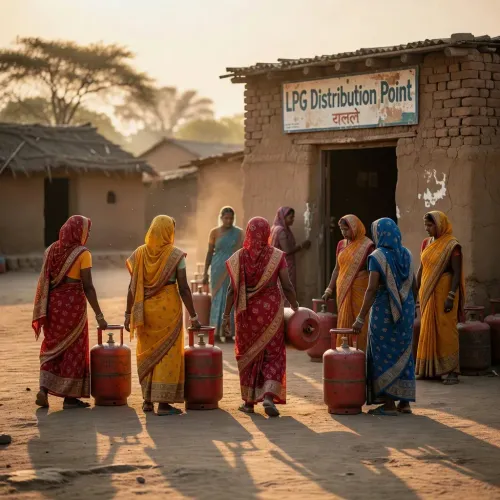
The term Antyodaya — meaning 'rise of the last' — was originally articulated by Deendayal Upadhyaya, the ideological architect of the BJP's parent organisation. Since 2014, successive central budgets and scheme launches have been framed around this philosophy. Key programmes in this lineage include the Pradhan Mantri Awas Yojana (launched 2015), which targets pucca housing for rural and urban poor; the Deendayal Antyodaya Yojana (2015), which merged national rural and urban livelihood missions to promote self-employment; and the Pradhan Mantri Garib Kalyan Anna Yojana (2020), which provides free food grains to priority households.
Chhattisgarh, a state with a significant tribal and below-poverty-line population, has been a key implementation ground for these central schemes. The BJP returned to power in the state after the 2023 assembly elections, with Vishnu Deo Sai — himself from a tribal community — installed as Chief Minister, a choice widely read as symbolic alignment with the Antyodaya ethos.
Stakeholders and Impact
The primary beneficiaries of the programmes cited in this policy arc are poor households, marginalised communities, tribal populations, and residents of rural Chhattisgarh. BJP-ruled states, including Chhattisgarh, have aligned state-level delivery mechanisms — from ration distribution to housing surveys — with national direct-benefit transfer infrastructure. For the ruling party, welfare delivery is also a central electoral narrative, and statements of this kind reinforce that positioning ahead of future legislative cycles.
For ordinary beneficiaries, the practical question remains the on-ground pace of scheme saturation: how many eligible households have received housing, how many self-help groups have been activated under livelihood missions, and how food-security coverage has expanded in remote districts of Chhattisgarh.
What's Next
Attention will now turn to state-level implementation reports for central welfare schemes in Chhattisgarh and any fresh welfare announcements expected in the next Union Budget or parliamentary session. As the Modi government completes its current term, the political and administrative focus on measurable Antyodaya outcomes — housing completion rates, food-security coverage, and livelihood enrolment figures — is likely to intensify, with state governments such as Chhattisgarh serving as showcases for the national welfare model.
Point of View
Anchoring the BJP's governance narrative firmly in the Antyodaya framework ahead of future electoral cycles. By invoking the 'last person in the social order', Sai connects central scheme delivery to a moral and ideological tradition that predates the BJP itself, lending the welfare push a philosophical legitimacy beyond mere policy. For a Chief Minister from a tribal community governing a state with high poverty indicators, such statements also serve a dual function: signalling ideological alignment with Delhi and reinforcing his own identity as a symbol of Antyodaya in practice. The broader pattern suggests that welfare delivery metrics — housing, food security, livelihoods — will remain the primary terrain on which the BJP contests public trust in states like Chhattisgarh.
NationPress
27 Oct 2026
Frequently Asked Questions
What is the Antyodaya vision that CM Sai referred to?
Antyodaya means 'rise of the last' and refers to the principle of prioritising the most marginalised person in society. It was originally articulated by Deendayal Upadhyaya and has been the stated philosophical framework for central welfare schemes launched since 2014 under PM Modi.
What welfare schemes has the Modi government launched for the poor?
Key schemes include the Pradhan Mantri Awas Yojana (pucca housing, 2015 ), the Deendayal Antyodaya Yojana (livelihood and skill development, 2015 ), and the Pradhan Mantri Garib Kalyan Anna Yojana (free food grains, 2020 ), all targeting poor and marginalised households.
Why did CM Vishnu Deo Sai make this statement?
CM Vishnu Deo Sai posted on 13 June 2026 to mark what he described as 12 years of historic welfare progress under PM Modi , highlighting the delivery of development, dignity, and opportunity to the most marginalised sections of society.
How is Chhattisgarh connected to central welfare schemes?
Chhattisgarh has a large tribal and below-poverty-line population and is a key implementation ground for national welfare programmes. The state government under BJP has aligned its delivery mechanisms with central direct-benefit transfer infrastructure.
Who is Vishnu Deo Sai?
Vishnu Deo Sai is the Chief Minister of Chhattisgarh and a BJP leader who assumed office after the 2023 state assembly elections . He is from a tribal community, and his appointment was widely seen as symbolically aligned with the Antyodaya ethos of inclusive governance.