CM Sai marks 12 years of Modi govt's Garib Kalyan drive
Synopsis
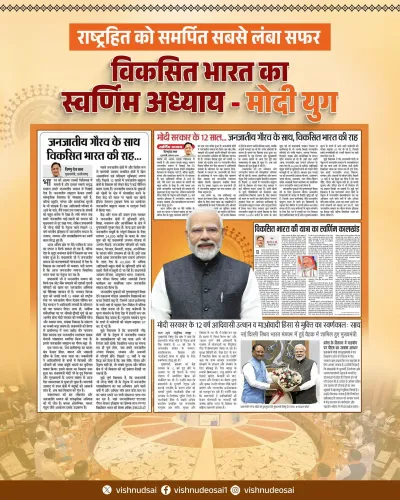
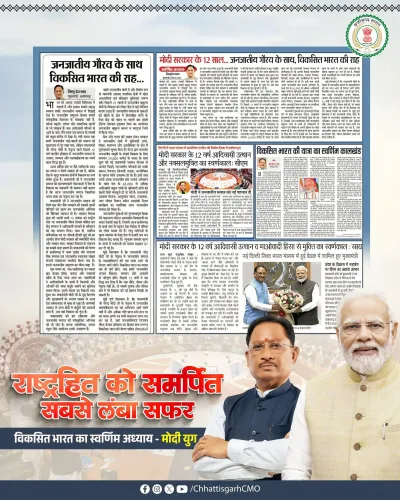
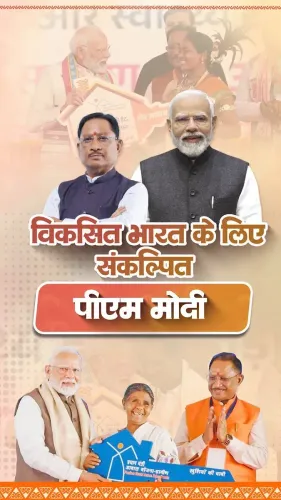
Chhattisgarh Chief Minister Vishnu Deo Sai marked twelve years of the Modi government on 8 June 2026, crediting Garib Kalyan programmes with expanding housing, health, sanitation and financial security to crores of Indians and calling it the foundation of a Viksit Bharat.
Key Takeaways
CM Vishnu Deo Sai posted on 8 June 2026 marking 12 years of the Modi government under the hashtag #12YearsOfGaribKalyan .
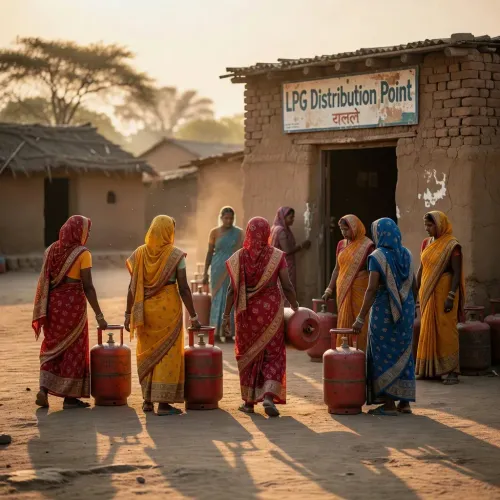
The post cited housing, health, sanitation, financial security and self-reliance as key outcomes delivered to crores of citizens.
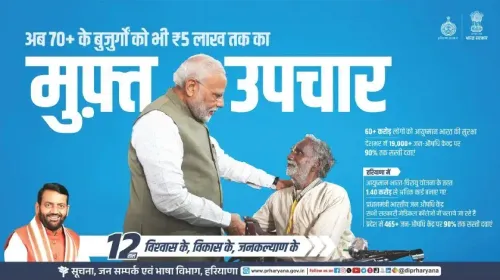
Pradhan Mantri Awas Yojana (2015) and Ayushman Bharat PMJAY (2018) are among the flagship schemes under the Garib Kalyan umbrella.
Chhattisgarh is a key implementation state for central welfare schemes after the BJP's return to power in December 2023 .
The post invokes the Viksit Bharat vision — the government's goal of transforming India into a developed nation by 2047 .
State BJP leaders routinely echo central welfare messaging to localise credit, a pattern CM Sai's post follows.
Chhattisgarh Chief Minister Vishnu Deo Sai on Monday, 8 June 2026 marked twelve years of the Narendra Modi-led government, crediting the period with delivering housing, healthcare, sanitation, financial security and self-reliance to crores of citizens across India.
Context
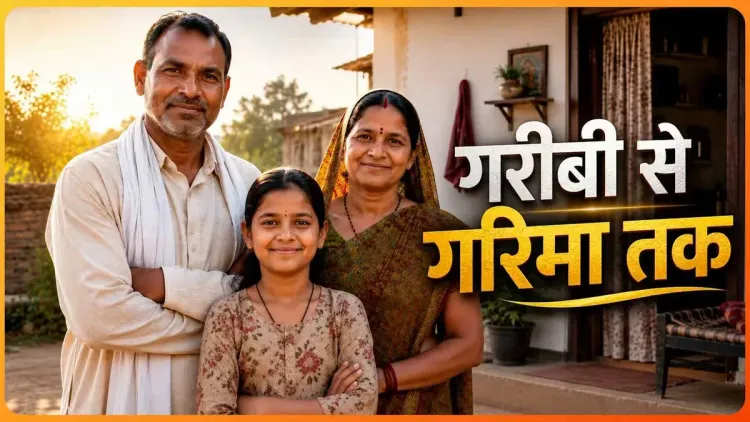
Posting under the hashtag #12YearsOfGaribKalyan, CM Sai wrote in Hindi that under the leadership of Prime Minister Narendra Modi, 'crores of citizens have received new opportunities for housing, health, sanitation, financial security and self-reliance in 12 years of service, good governance and welfare of the poor.' He added that 'this transformation is visible in the smiling faces whose lives have been illuminated by development, trust and new dreams.'
The post concluded with the phrase: 'Har varg ka samman, har parivar ka kalyan' ('Respect for every section, welfare of every family') — framing it as the 'strong foundation of a Viksit Bharat' (developed India).
Policy Backdrop
The Modi government, which assumed office in May 2014, has anchored its welfare communications around the 'Garib Kalyan' (pro-poor welfare) umbrella. Key programmes launched in this period include the Swachh Bharat Mission (October 2014) for universal sanitation, Pradhan Mantri Awas Yojana (2015) for pucca housing, and Ayushman Bharat Pradhan Mantri Jan Arogya Yojana (2018) extending health coverage to low-income households.
Delivery of these schemes has been routed largely through direct-benefit transfers and Aadhaar-linked targeting, a centralised architecture that the Union government has consistently highlighted as a structural departure from earlier welfare models.
Stakeholders and Impact
The primary beneficiaries cited across these programmes are rural households and low-income urban families — segments that BJP communications have consistently foregrounded in the 'Garib Kalyan' narrative. Chhattisgarh, a central Indian state where the BJP returned to power in the December 2023 assembly elections with Sai sworn in as Chief Minister, has been a key implementation ground for schemes such as PMAY-Gramin and Ayushman Bharat.
State BJP leaders routinely amplify the central government's welfare record to localise political credit for these programmes, and CM Sai's post follows that established pattern.
What's Next
Observers will watch for state-level implementation progress reports on PMAY and Ayushman Bharat in Chhattisgarh, as well as any reference to these milestones in forthcoming Union Budget announcements or Viksit Bharat Sankalp Yatra events. The 12-year mark is likely to serve as a recurring communications anchor for both central and state BJP messaging through the rest of 2026, reinforcing the 'Viksit Bharat by 2047' vision that has become a defining theme of the government's long-term policy narrative.
Point of View
Where state leaders amplify central welfare milestones to reinforce shared political credit. The 12-year mark gives the party a natural inflection point to consolidate its 'pro-poor governance' brand ahead of future electoral cycles. Framing the anniversary around 'smiling faces' and 'Viksit Bharat' ties ground-level scheme delivery to an aspirational national vision, a dual register that has defined BJP messaging since 2014. The consistency of this narrative across central and state platforms suggests a coordinated communications strategy rather than spontaneous expression.
NationPress
20 Sept 2026
Frequently Asked Questions
What is the Garib Kalyan scheme in India?
'Garib Kalyan' is the umbrella branding used by the Modi government for its pro-poor welfare programmes, covering housing under PMAY, health insurance under Ayushman Bharat, sanitation under Swachh Bharat Mission, and financial inclusion initiatives launched since 2014.
What did Chhattisgarh CM Vishnu Deo Sai say about Modi government's 12 years?
CM Vishnu Deo Sai said that under PM Modi's leadership, crores of citizens received opportunities for housing, health, sanitation, financial security and self-reliance in 12 years, and called this the strong foundation of a Viksit Bharat.
When did Vishnu Deo Sai become Chief Minister of Chhattisgarh?
Vishnu Deo Sai was sworn in as Chief Minister of Chhattisgarh in December 2023 after the BJP won the state assembly elections.
What is Viksit Bharat and what is its target year?
Viksit Bharat is the Modi government's official vision to transform India into a fully developed nation by the year 2047, coinciding with the centenary of India's independence.
What are the main welfare schemes launched by the Modi government since 2014?
Key schemes include Swachh Bharat Mission (2014) for sanitation, Pradhan Mantri Awas Yojana (2015) for affordable housing, and Ayushman Bharat Pradhan Mantri Jan Arogya Yojana (2018) for health coverage of low-income households.