CM Sai Offers Prayers at Ancient Shiv Temple in Kondagaon
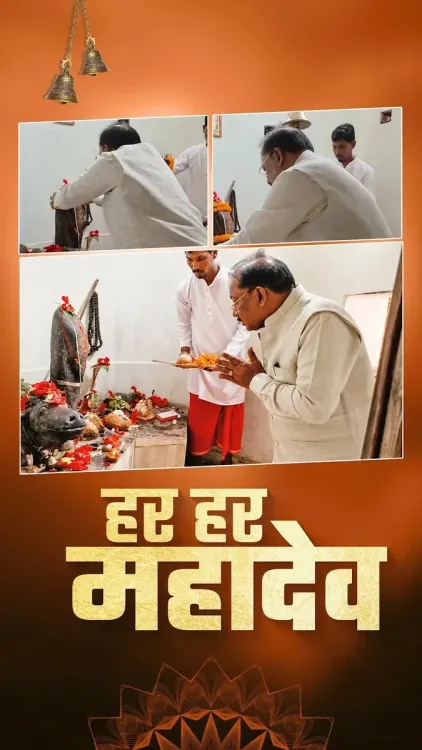
Synopsis
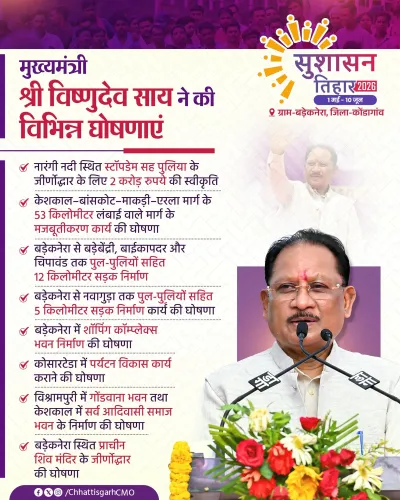
Chhattisgarh CM Vishnu Deo Sai visited the ancient Shiv temple in village Badeknera, Kondagaon, on 1 June 2026 under Sushasan Tihar 2026, offering prayers for the welfare of the state's people and highlighting Bastar's spiritual heritage.
Key Takeaways
Chief Minister Vishnu Deo Sai visited the ancient Shiv temple at village Badeknera, Kondagaon district on 1 June 2026 .
The visit was part of Sushasan Tihar 2026 , the Chhattisgarh government's annual governance and public-outreach programme.
CM Sai performed prayers according to prescribed Vedic rites and sought prosperity and welfare for all residents of Chhattisgarh.
The temple is located in the Bastar division , a region the BJP government has spotlighted for its tribal culture and ancient religious heritage.
Sushasan Tihar was launched after the BJP's December 2023 assembly election victory, with a focus on reaching remote and underserved regions.
Further district-level events under Sushasan Tihar 2026 are expected, with possible follow-up announcements on temple conservation and cultural tourism in Bastar.
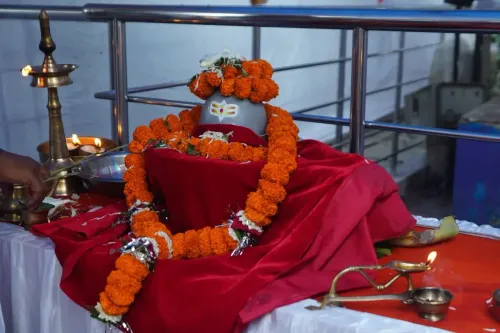
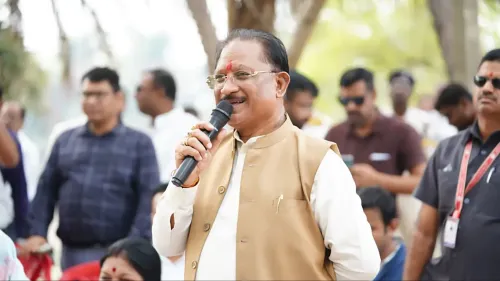
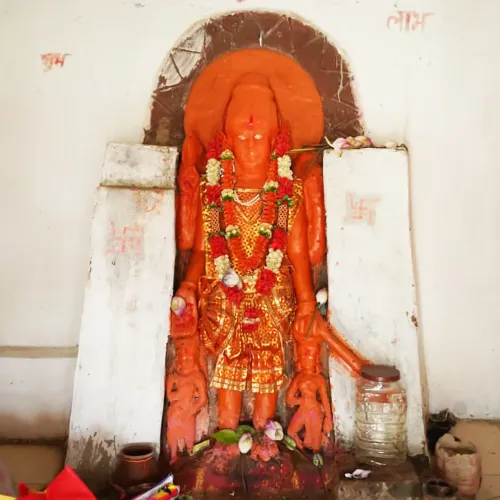
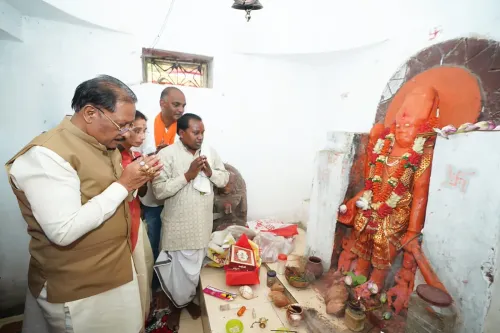
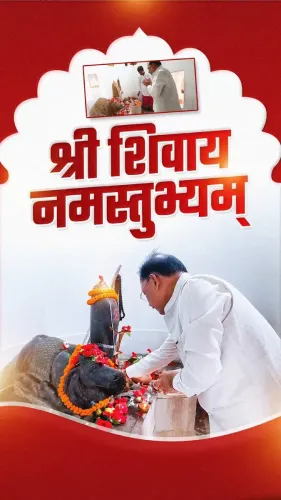
Chhattisgarh Chief Minister Vishnu Deo Sai on Monday, 1 June 2026, offered prayers at an ancient Shiva temple in village Badeknera, Kondagaon district, as part of the ongoing Sushasan Tihar governance outreach programme, seeking peace, prosperity and welfare for the people of the state.
Sharing the visit on social media, the Chief Minister opened with a Sanskrit verse from the Shiva Panchakshara Stotram — 'Nagenahaaraya Trilochanaya Bhasmaangaragaya Maheshwaraya, Nityaya Shuddhaya Digambaraya Tasmai Nakaraya Namah Shivaya' — a devotional hymn in praise of Lord Shiva. He wrote that he performed the rituals 'vidhi-vidhaan se' (according to prescribed rites) and prayed for 'sukh, samridhi, khushhaali evam kalyaan' (happiness, prosperity, well-being and welfare) of the people of Chhattisgarh.
Context
The visit was conducted under the banner of Sushasan Tihar 2026, an annual statewide governance outreach initiative run by the Chhattisgarh government. The programme combines administrative review and public-contact events across districts, and this edition has taken Chief Minister Sai to constituencies in the Bastar division. Kondagaon district falls within northern Bastar and is home to a significant tribal population as well as numerous ancient shrines.
Policy Backdrop
Sushasan Tihar was launched by the BJP government in Chhattisgarh following its victory in the December 2023 assembly elections, in which Vishnu Deo Sai was named Chief Minister. The programme is designed as a platform to bring administration closer to citizens, particularly in regions historically considered remote or underserved. The Bastar division, with its dense forest cover, distinct tribal culture and heritage temples, has been a recurring focus of these outreach rounds.
The BJP-led state government has made the documentation and promotion of Bastar's ancient temples a visible element of its cultural agenda. Official visits to religious sites during governance programmes reflect a broader pattern seen in several BJP-ruled states, where temple heritage is woven into administrative and tourism narratives to emphasise local identity and cultural continuity.
Stakeholders and Impact
The primary beneficiaries highlighted in the Chief Minister's post are the residents of Chhattisgarh broadly, and the communities of Bastar specifically — including tribal populations for whom such ancient shrines represent living centres of faith and cultural identity. By incorporating a visit to the Badeknera Shiv Mandir within the Sushasan Tihar calendar, the government signals attention to both the spiritual heritage and the administrative needs of this region.
Temple devotees, local communities and cultural heritage advocates in Bastar are among the stakeholders who stand to benefit from heightened official attention to the region's shrines. Any follow-up announcements on temple conservation or cultural tourism development in Bastar division would directly affect these groups.
What's Next
Subsequent district-level events under Sushasan Tihar 2026 are expected to continue across Chhattisgarh in the coming weeks. Observers will watch for any follow-up policy announcements — particularly around temple restoration, cultural tourism infrastructure, or administrative initiatives — stemming from the Chief Minister's tour of the Bastar division. The programme's trajectory will also indicate how the government intends to balance governance delivery with cultural outreach ahead of future electoral cycles.
Point of View
Particularly in tribal-majority regions like Bastar. By combining a governance programme with a visit to an ancient Shiv temple, the government reinforces its narrative of cultural continuity and Hindu heritage alongside administrative accessibility. Bastar has historically been a sensitive region — politically, socially and security-wise — and sustained official attention through programmes like Sushasan Tihar reflects a deliberate strategy to deepen the party's connect with its communities. The pattern suggests that heritage conservation and temple tourism may emerge as formal policy planks in Chhattisgarh's development agenda in the coming months.
NationPress
15 Oct 2026
Frequently Asked Questions
What is Sushasan Tihar in Chhattisgarh?
Sushasan Tihar is an annual governance outreach programme launched by the BJP government in Chhattisgarh after its December 2023 election victory. It combines administrative review, public-contact events and cultural visits across districts to bring government closer to citizens, with a particular focus on remote regions like Bastar.
Where is the Badeknera Shiv temple located?
The ancient Shiv temple visited by CM Vishnu Deo Sai is located in village Badeknera in Kondagaon district, which falls within the Bastar division of Chhattisgarh.
Why did CM Vishnu Deo Sai visit a temple during a governance programme?
CM Sai visited the Badeknera Shiv temple as part of Sushasan Tihar 2026, which incorporates cultural and religious heritage visits alongside administrative outreach. The BJP government has highlighted Bastar's ancient shrines as living symbols of the region's spiritual and cultural identity.
What did CM Vishnu Deo Sai pray for at the Kondagaon temple?
According to his social media post, CM Sai performed prayers according to prescribed Vedic rites and sought happiness, prosperity, well-being and welfare — 'sukh, samridhi, khushhaali evam kalyaan' — for the people of Chhattisgarh.
What is the significance of Bastar's ancient temples?
Bastar's ancient temples are considered living centres of faith and cultural identity for the region's predominantly tribal communities. The Chhattisgarh government has positioned these shrines as symbols of the state's rich spiritual heritage and as potential anchors for cultural tourism development.