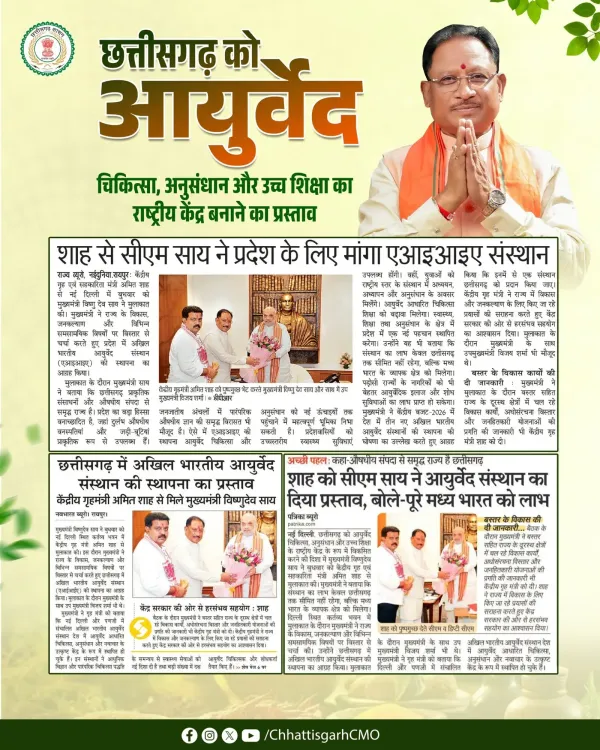
CM Sai Proposes AIIA Institute for Chhattisgarh to Amit Shah
Synopsis
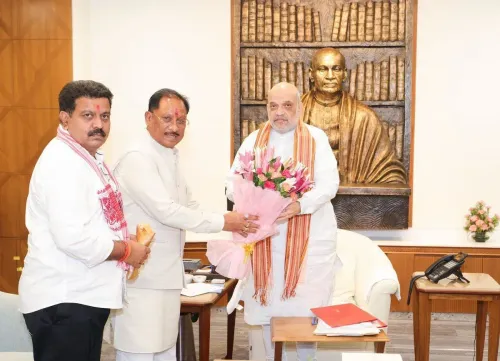
Chief Minister Vishnu Dev Sai met Union Home Minister Amit Shah on 25 June 2026 to propose an All India Institute of Ayurveda for Chhattisgarh, aiming to expand traditional healthcare infrastructure in the tribal-majority state.
Key Takeaways
Chief Minister Vishnu Dev Sai met Union Home Minister Amit Shah on 25 June 2026 to formally propose an All India Institute of Ayurveda for Chhattisgarh.
The proposal seeks a national-level institute modelled on the existing AIIA in New Delhi , established under the Ministry of AYUSH .
Chhattisgarh's large tribal and rural population and rich biodiversity make it a strategic location for an Ayurveda research and treatment hub.
The National AYUSH Mission , launched in 2014 , provides the policy framework under which such institutes are sanctioned and funded.
The next steps include a formal proposal to the Ministry of AYUSH and possible inclusion in a future Union Budget or Cabinet approval round.
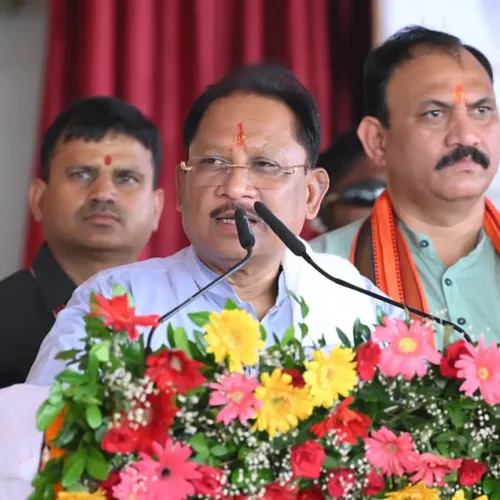
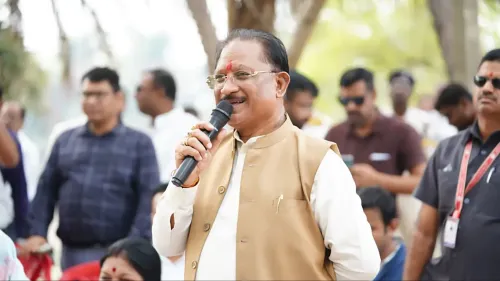
The Chief Minister's Office of Chhattisgarh announced on Thursday, 25 June 2026 that Chief Minister Vishnu Dev Sai met Union Home Minister Amit Shah and formally proposed the establishment of an All India Institute of Ayurveda (AIIA) in the state, signalling a strong push to redirect and expand healthcare services through traditional medicine.
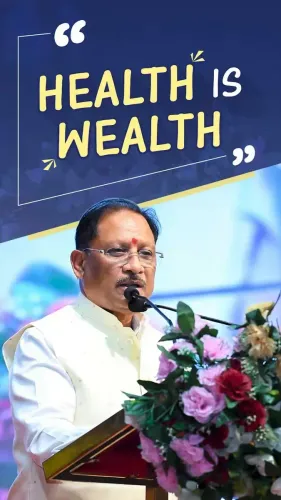
The official post read: 'स्वास्थ्य सेवाओं को नई दिशा देने का मजबूत संकल्प' ('A firm resolve to give new direction to healthcare services'), describing the CM's proposal to set up a national-level Ayurveda institute in Chhattisgarh.
Context
Chief Minister Vishnu Dev Sai, who assumed office in December 2023, has consistently positioned healthcare infrastructure expansion as a governance priority for the state. The meeting with Amit Shah — a senior figure in the central government who coordinates closely with state administrations on development and policy — signals that the proposal has been escalated to the highest levels of the Union government.
Chhattisgarh has a large tribal and rural population that has historically relied on traditional and herbal medicine. A national-level Ayurveda institute would serve both as a tertiary care facility and a research anchor for the region.
Policy Backdrop
The proposal draws on an established central template. The first All India Institute of Ayurveda was established in New Delhi under the Ministry of AYUSH, with its foundation laid in 2009 and operationalised in subsequent years as a model for integrating classical medicine into the national health system.
The National AYUSH Mission, launched in 2014, further institutionalised the push to strengthen traditional medicine infrastructure and integrate AYUSH services into public health delivery. Under successive BJP-led governments at the Centre, AYUSH facility expansion has been a stated priority, with states encouraged to seek central institutes that boost local research capacity and attract medical tourism.
Chhattisgarh's rich biodiversity and forest cover — home to a wide range of medicinal plants — make it a natural candidate for an Ayurveda research and treatment hub.
Stakeholders and Impact
The primary beneficiaries of an AIIA in Chhattisgarh would be Ayurveda practitioners, rural and tribal patients, and the state's health department, which currently depends heavily on allopathic infrastructure for tertiary care. A dedicated national institute would also create academic and research employment in the state.
For Ayurveda practitioners across central India, the institute could become a referral centre, reducing the need to travel to New Delhi for specialised AYUSH treatment. Medical tourism linked to Ayurveda has grown steadily across India, and a nationally accredited institute could attract patients from neighbouring states.
What's Next
The immediate next step is a formal submission of the proposal to the Ministry of AYUSH in New Delhi. Analysts watching the AYUSH expansion programme will track whether the proposal finds a place in an upcoming Union Budget allocation or receives Cabinet approval as part of a new round of national AYUSH institute sanctioning.
If approved, the institute would mark a significant milestone in Chhattisgarh's healthcare trajectory — positioning the state as a centre for traditional medicine research and practice in central India, and reinforcing the BJP's dual commitment to AYUSH promotion and state-level development.
Point of View
Which is still consolidating its post-2023 BJP administration, securing a national institute would be a tangible governance win ahead of future electoral cycles. The proposal also signals that traditional medicine is being positioned not as a supplementary service but as a structural pillar of the state's health policy.
NationPress
25 Jun 2026
Frequently Asked Questions
What did CM Vishnu Dev Sai propose to Amit Shah?
Chief Minister Vishnu Dev Sai proposed the establishment of an All India Institute of Ayurveda in Chhattisgarh during a meeting with Union Home Minister Amit Shah on 25 June 2026.
What is the All India Institute of Ayurveda?
The All India Institute of Ayurveda is a national-level institution under the Ministry of AYUSH that provides specialised Ayurveda education, research, and treatment. The first such institute is located in New Delhi.
Why is Chhattisgarh seeking an Ayurveda institute?
Chhattisgarh has a large tribal and rural population with traditional ties to herbal medicine, and rich forest biodiversity. A national Ayurveda institute would expand tertiary healthcare access and support research into medicinal plants native to the region.
What is the National AYUSH Mission?
The National AYUSH Mission was launched in 2014 to strengthen traditional medicine infrastructure across India and integrate Ayurveda, Yoga, Unani, Siddha, and Homeopathy services into public health systems.
What happens next after CM Sai's proposal?
The proposal is expected to be formally submitted to the Ministry of AYUSH. Approval could come through a Union Budget allocation or a Cabinet decision sanctioning new AYUSH institutes across India.