CM Sai Targets 1,000 Tourism Entrepreneurs in Chhattisgarh
Synopsis
Chief Minister Vishnu Deo Sai has unveiled a major action plan under the Mukhyamantri Paryatan Vikas Mission, targeting 1,000 tourism entrepreneurs, 250 women's SHGs, and 19 circuits to put Chhattisgarh on the national and international tourism map.
Key Takeaways
1,000 new tourism entrepreneurs to be created under the Mukhyamantri Paryatan Vikas Mission.
250 women self-help groups will be linked to tourism activities as part of the livelihood push.
4 major and 15 mini tourism circuits to be developed to improve tourist connectivity across the state.
Five key destinations — Chitrakot, Mainpat, Sirpur, Rajim , and Hasdeo Bango — earmarked for modern infrastructure upgrades.
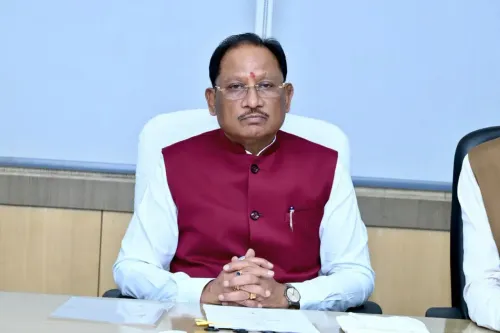
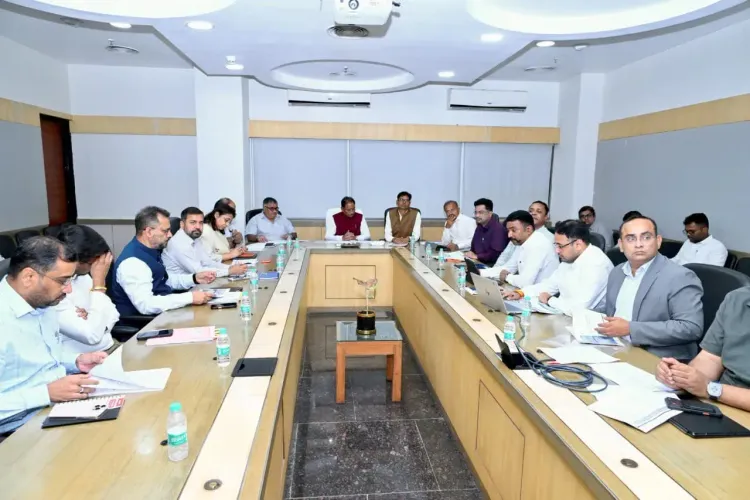
CM Sai chaired the high-level review at Mantralaya Mahanadi Bhavan , framing tourism as a driver of local economy, employment, and regional development.
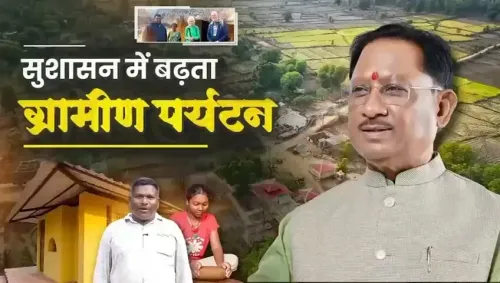
A state that has long punched below its weight on India's tourism map is now drawing up its most ambitious blueprint yet. Chief Minister Vishnu Deo Sai chaired a high-level review meeting at the Mantralaya Mahanadi Bhavan on Tuesday, 13 October 2026, unveiling a sweeping action plan under the Mukhyamantri Paryatan Vikas Mission to earn Chhattisgarh a genuine place on both national and international tourism circuits.
1,000 entrepreneurs, 250 women's groups — the numbers behind the mission
The headline targets are concrete and measurable. The government has set a goal of creating 1,000 new tourism entrepreneurs and bringing 250 women self-help groups (SHGs) into active tourism-linked livelihoods. CM Sai, at the meeting, framed these not as welfare metrics but as the foundation of a structural shift — 'paryatan ko sthaniya arthvyavastha, rojgar aur kshetriya vikas ka mazboot aadhar' (making tourism a strong pillar of the local economy, employment, and regional development).
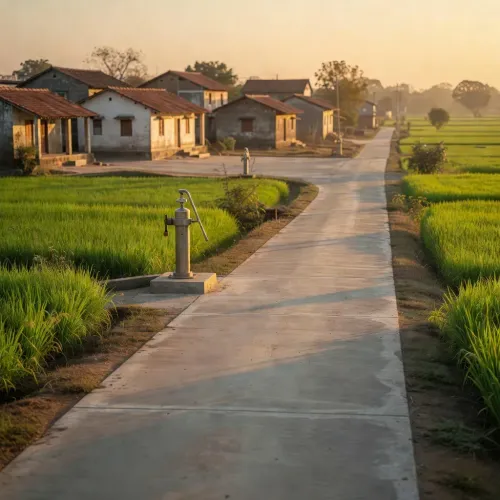
Chhattisgarh has historically relied on mining and agriculture as its twin growth engines. Plugging women's SHGs directly into tourism activity — whether through homestays, handicraft sales, or guided experiences — marks a deliberate attempt to ensure growth reaches communities closest to the state's natural and cultural assets.
Four major circuits and fifteen mini-circuits to rewire the tourist trail
The plan calls for developing four major tourism circuits and 15 mini tourism circuits across the state — a network designed to stitch together destinations that currently attract visitors in isolation. The goal is straightforward: make it easy for a tourist who visits one site to keep moving, spending, and staying longer.
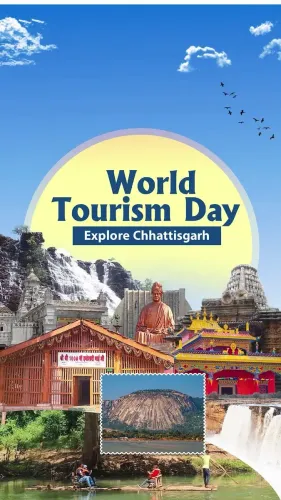
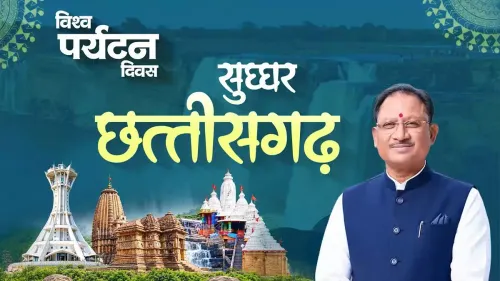
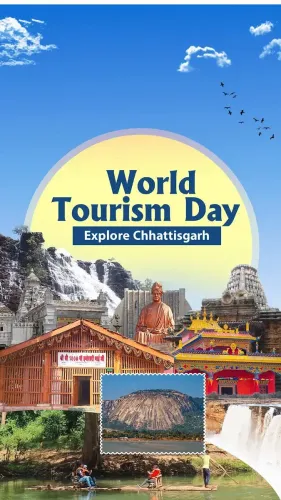
Five flagship destinations have been named for infrastructure upgrades: Chitrakot (the wide waterfall in Bastar often called India's Niagara), Mainpat (the scenic hill station of the Surguja region), Sirpur (with its ancient Buddhist and Hindu temples), Rajim (the pilgrim town known for its annual fair), and Hasdeo Bango. Modern amenities at each will be developed to raise visitor standards and dwell time.
Why Chhattisgarh's tourism gap matters — and what could close it
The state's under-performance in tourism is not for lack of raw material. Bastar's forests and waterfalls, Surguja's tribal heritage, and Chhattisgarh's archaeological corridor represent a genuinely distinctive offer. What has been missing is the connective tissue — roads, signage, trained guides, hospitality infrastructure, and a coherent circuit narrative that gives a visitor a reason to plan a multi-day trip.
The circuit model being proposed here follows a pattern that has delivered results in other Indian states: bundle sites into themed corridors, invest in gateway infrastructure, and build local entrepreneurship capacity so the economic multiplier stays in the region rather than leaking to operators elsewhere.
The Mukhyamantri Paryatan Vikas Mission is the Sai government's vehicle for all of this. Rollout timelines, training calendars for the entrepreneur programme, and selection criteria for the SHGs will be the critical variables to watch as the action plan moves from the review table to the ground.
Chhattisgarh has the assets. The mission now has the mandate. Whether the infrastructure follows at pace will determine if this blueprint becomes a turning point — or another plan that waits for its moment.
Point of View
Local entrepreneurship — inside economic development schemes to generate both growth headlines and ground-level political dividends. For Chhattisgarh, tourism has long been a structurally underleveraged sector, and the circuit model, if funded and executed, could meaningfully diversify a state economy still heavily dependent on mining royalties and agricultural output. The concrete numerical targets (1,000 entrepreneurs, 250 SHGs, 19 circuits) signal political intent to create accountable milestones, though the real test will come when rollout timelines and budgets are disclosed. This is also a soft-power signal from the Sai government ahead of what will be an increasingly competitive inter-state tourism market as central government schemes push India's visitor numbers higher.
NationPress
13 Oct 2026
Frequently Asked Questions
What is the Mukhyamantri Paryatan Vikas Mission in Chhattisgarh?
It is a state government initiative led by Chief Minister Vishnu Deo Sai to develop tourism as a pillar of Chhattisgarh's local economy, targeting 1,000 new tourism entrepreneurs, 250 women's SHGs, and a network of 4 major and 15 mini tourism circuits.
Which tourist places in Chhattisgarh will be developed under this mission?
The five destinations specifically named for modern infrastructure upgrades are Chitrakot, Mainpat, Sirpur, Rajim, and Hasdeo Bango.
How will women's self-help groups benefit from Chhattisgarh's tourism mission?
The plan aims to connect 250 women's self-help groups to tourism activities, potentially through homestays, handicraft sales, and local guiding services, creating direct livelihood opportunities near heritage and natural sites.
What are the tourism circuits being planned for Chhattisgarh?
The government plans to develop 4 major tourism circuits and 15 mini tourism circuits to link destinations across the state and give visitors a reason to plan longer, multi-site trips.
Who is Vishnu Deo Sai and what is his role in Chhattisgarh's tourism push?
Vishnu Deo Sai is the BJP Chief Minister of Chhattisgarh, sworn in December 2023. He personally chaired the high-level review meeting at Mantralaya Mahanadi Bhavan that produced this tourism action plan.