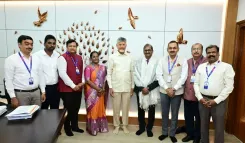
CM Saini Hails GSLV-F18 NVS-03 Launch as NavIC Milestone
Synopsis
Haryana Chief Minister Nayab Singh Saini praised ISRO scientists after GSLV-F18 successfully launched the NVS-03 satellite on 31 October 2026, describing it as a major stride toward self-reliance in India's indigenous NavIC navigation constellation under PM Modi's Atmanirbhar Bharat vision.
Key Takeaways
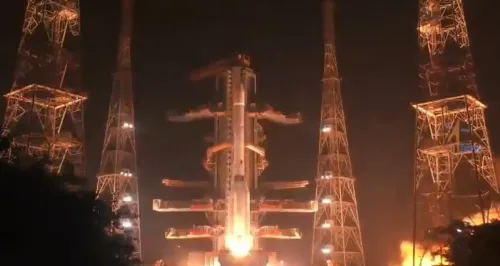
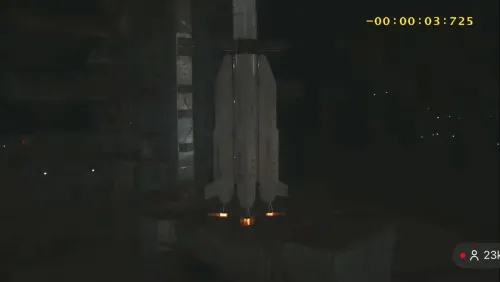
GSLV-F18 successfully placed the NVS-03 navigation satellite into orbit, according to Haryana CM Nayab Singh Saini's post on 31 October 2026 .
NVS-03 is part of the second-generation NavIC constellation, which began with NVS-01 launched in May 2023 .
India's IRNSS/NavIC programme dates to 2013 , aimed at building a positioning system independent of foreign GNSS networks.
The constellation serves defence forces, civil aviation, maritime operators and civilian navigation users across India.
CM Saini credited the milestone to Prime Minister Narendra Modi's Atmanirbhar Bharat framework for space self-reliance.
Completion of remaining NVS-series launches and integration into mobile and defence systems are the next benchmarks to watch.
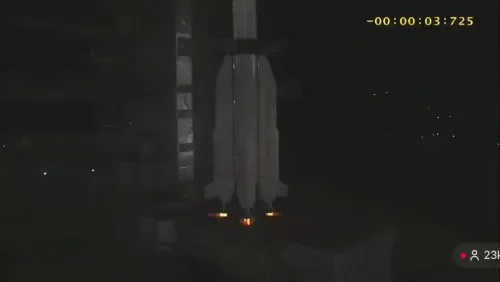
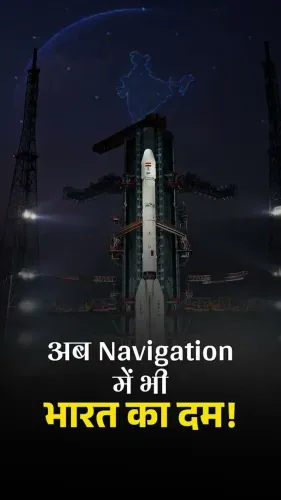
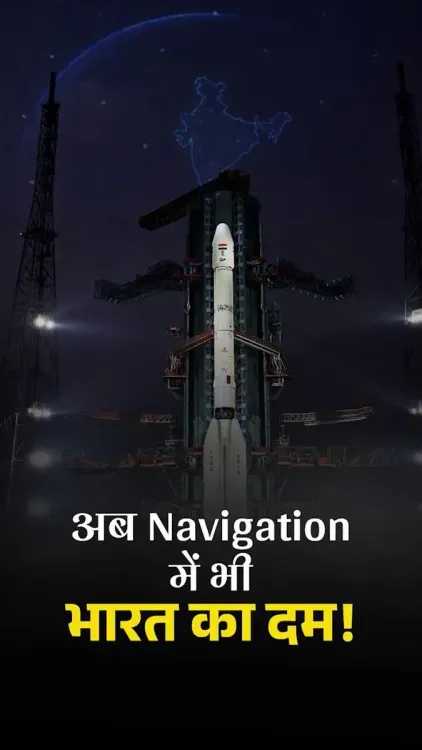
Another satellite joins India's homegrown navigation constellation — and Haryana Chief Minister Nayab Singh Saini marked the moment with a direct salute to the scientists who made it happen. On Saturday, 31 October 2026, Saini took to X to celebrate the successful launch of the NVS-03 satellite aboard GSLV-F18, calling it 'a powerful step towards self-reliance in India's space journey.'
In his post — written in Hindi — Saini declared that the NVS-03 mission 'will further strengthen the country's indigenous navigation system,' and extended warm congratulations to all scientists and engineers at ISRO. He credited the achievement to the vision of Prime Minister Narendra Modi and the broader push for Atmanirbhar Bharat (Self-Reliant India) in space science and technology.
NavIC's long road from 2013 to NVS-03
The constellation Saini celebrated has been more than a decade in the making. India's Navigation with Indian Constellation — NavIC — traces its lineage to 2013, when the Indian Regional Navigation Satellite System (IRNSS) programme placed its first satellite in orbit, aiming to give India a positioning and timing system independent of American GPS or any foreign GNSS.
The second generation of that constellation began with NVS-01, launched in May 2023 aboard a GSLV rocket. The NVS series was designed to augment and gradually replace the ageing first-generation IRNSS satellites, injecting modern hardware and sharper signals into the network. NVS-03 continues that generational upgrade.
Why an indigenous navigation system matters
The strategic calculus behind NavIC is straightforward. Dependence on a foreign GNSS means that in a crisis — military or civilian — a foreign government controls the signal. India's defence forces, civil aviation authorities, and maritime operators all have compelling reasons to want a domestic alternative they can trust unconditionally.
Beyond security, the civilian upside is significant. From precision agriculture to ride-hailing apps, navigation data underpins a growing slice of India's digital economy. A robust NavIC constellation — fully operational and integrated into consumer devices — could reduce India's reliance on foreign navigation infrastructure across millions of daily transactions.
The bigger Atmanirbhar Bharat arc
Saini's congratulatory post lands inside a wider political narrative the BJP has consistently amplified: space achievement as proof of national self-reliance. From Chandrayaan-3's lunar south-pole landing to the ongoing development of India's own space station roadmap, each ISRO milestone is presented as evidence that the Atmanirbhar Bharat policy framework is producing real, verifiable results — not just policy documents.
The completion of the full NavIC constellation through remaining NVS-series launches, and its deeper integration into defence systems, aviation, and mobile chipsets, will be the true test of whether that ambition converts into operational independence.
For now, ISRO's engineers have their latest mission in orbit — and India's navigation story just got one chapter closer to its conclusion.
Point of View
Not just headlines. By amplifying ISRO's achievement, CM Saini aligns Haryana's political messaging with a nationally resonant narrative of technological sovereignty. The NavIC programme also carries genuine strategic weight: an indigenous navigation constellation insulates Indian defence and critical infrastructure from foreign signal dependency, a concern that is anything but theoretical in the current geopolitical environment. How quickly the NVS constellation reaches full operational status — and how deeply NavIC embeds into consumer chipsets and military platforms — will determine whether the self-reliance story remains inspirational or becomes operational.
NationPress
31 Oct 2026
Frequently Asked Questions
What is the NVS-03 satellite and what does it do?
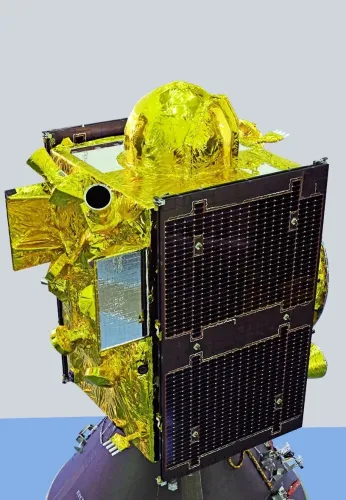
NVS-03 is a second-generation NavIC navigation satellite launched by ISRO aboard GSLV-F18. It is designed to strengthen India's indigenous regional satellite navigation system by augmenting and replacing older first-generation IRNSS satellites in the constellation.
What is NavIC and how is it different from GPS?
NavIC (Navigation with Indian Constellation) is India's own regional satellite navigation system, developed by ISRO to provide positioning, navigation, and timing services independently of the American GPS or any other foreign GNSS system. It is designed to serve India and surrounding regions.
Why did Haryana CM Nayab Singh Saini comment on an ISRO satellite launch?
CM Saini posted his congratulations as part of the BJP's broader Atmanirbhar Bharat messaging, celebrating India's growing self-reliance in space technology under PM Modi's leadership and acknowledging ISRO scientists for the achievement.
When was India's navigation satellite programme started?
The IRNSS programme — which later became NavIC — was initiated in 2013 with the launch of the first satellite, aimed at giving India an independent regional navigation capability.
What comes next for the NavIC constellation after NVS-03?
The immediate focus is completing the full NavIC constellation through remaining NVS-series launches and deepening its integration into Indian defence systems, civil aviation, and consumer mobile chipsets to achieve full operational independence.