CM Bhupendra Patel Hails GSLV-F18 Launch, NVS-03 NavIC Milestone
Synopsis
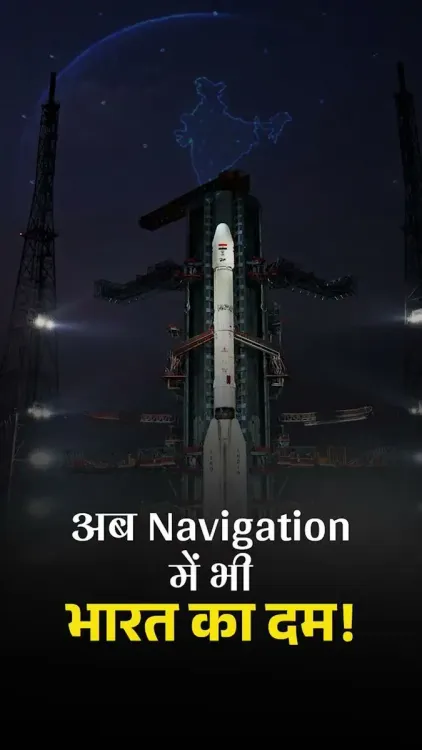
Gujarat Chief Minister Bhupendra Patel lauded ISRO's flawless launch of GSLV-F18 carrying NVS-03, the third new-generation NavIC navigation satellite, calling it a vital milestone for India's indigenous space navigation capability and the Aatmanirbhar Bharat vision.
Key Takeaways
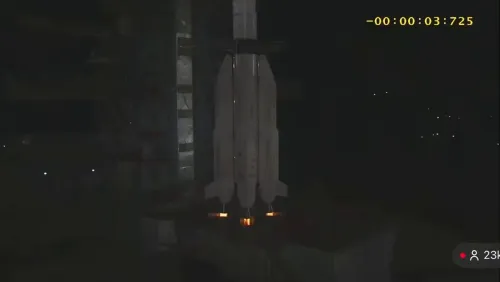
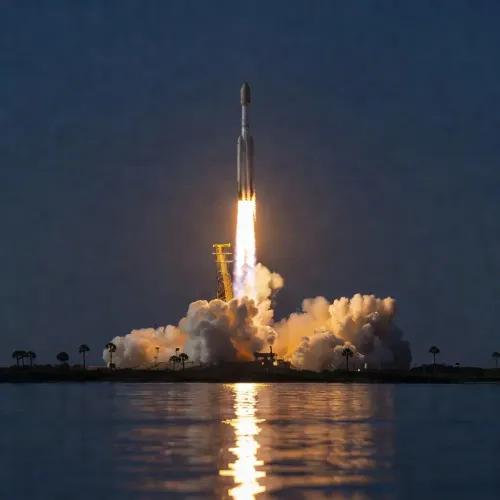
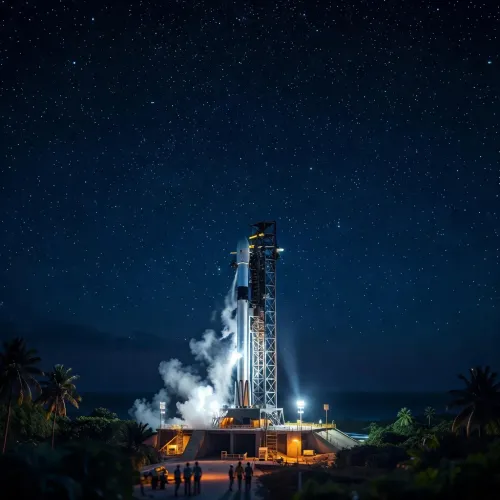
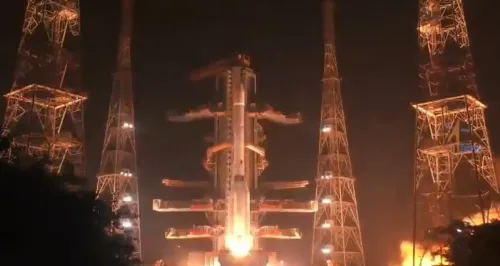
GSLV-F18 successfully carried NVS-03 into orbit on 31 October 2026 , ISRO's latest navigation satellite mission.
NVS-03 is the third satellite in the new-generation NavIC series, which began modernising the constellation with NVS-01 in 2023 .
The NavIC programme was approved in 2006 ; first-generation satellites launched between 2013 and 2016 .
Gujarat CM Bhupendra Patel linked the mission to the Aatmanirbhar Bharat framework of indigenous technological self-reliance.
Completing the seven-satellite NavIC constellation remains the key next step for integration into defence, aviation and maritime systems.
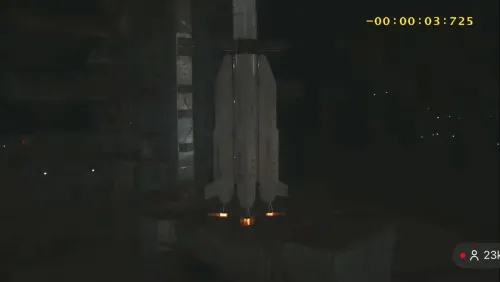
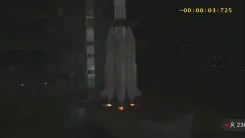
India's navigation ambitions just got a powerful boost from space. Gujarat Chief Minister Bhupendra Patel took to X on Saturday, 31 October 2026, to congratulate ISRO on the flawless launch of GSLV-F18 carrying the NVS-03 satellite — the latest step in India's decades-long drive to build a fully indigenous navigation system free from foreign dependence.
What GSLV-F18 and NVS-03 mean for NavIC's future
NavIC — the Navigation with Indian Constellation — is India's homegrown answer to GPS, designed to provide positioning, navigation and timing services across the subcontinent and beyond. The programme traces its roots to 2006, when approval came for an independent Indian satellite navigation capability. The first generation of satellites lifted off between 2013 and 2016, and the newer NVS series was initiated with NVS-01 in 2023 to modernise and replace that ageing constellation.
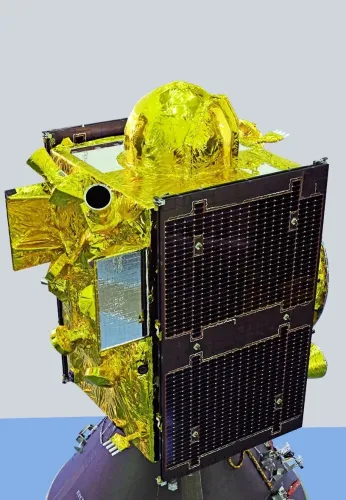
NVS-03 is the third satellite in this new generation. Each addition strengthens the reliability and accuracy of the seven-satellite constellation that India needs to declare the system fully operational. A complete NavIC constellation matters enormously — not just for smartphone users seeking turn-by-turn directions, but for defence forces, aviation authorities and maritime operators who depend on precise, sovereign navigation data that no adversary can switch off.
CM Patel's salute and the Aatmanirbhar Bharat frame
CM Patel's post explicitly linked the mission to the Aatmanirbhar Bharat (self-reliant India) vision, calling it 'a vital milestone in bolstering our indigenous NavIC navigation system.' The framing is deliberate: successive Indian governments have positioned space self-reliance as a pillar of national security and economic sovereignty, and state leaders routinely amplify ISRO milestones to underscore that narrative at the grassroots level.
'Gujarat joins the nation in saluting the dedication and ingenuity of our space heroes,' Patel wrote, anchoring a national technological achievement to his state's identity as an industrial and innovation hub.
The constellation gap NavIC still needs to close
With NVS-03 now in orbit, attention turns to the remaining satellites required to complete the modernised constellation and to formal integration of NavIC signals into critical systems. Aviation regulators and the armed forces have been among the most closely watched potential adopters — full integration would mark the point at which India's navigation sovereignty moves from aspiration to operational reality. The NVS series is designed with better atomic clocks and additional civilian signal frequencies compared to its predecessors, making each launch materially more significant than a routine milestone.
India's space programme has quietly become one of its most consistent soft-power assets. A flawless GSLV-F18 mission is another entry in that ledger — and the scientists and engineers of ISRO have, once again, delivered on schedule.
Point of View
However, lies ahead: how quickly aviation, maritime and defence systems formally adopt NavIC signals over GPS will determine whether the constellation becomes operationally decisive or remains a symbol of ambition. Each flawless NVS launch narrows that gap.
NationPress
31 Oct 2026
Frequently Asked Questions
What is GSLV-F18 and what did it carry?
GSLV-F18 is a Geosynchronous Satellite Launch Vehicle mission by ISRO that carried the NVS-03 satellite — the third new-generation navigation satellite — into orbit to strengthen India's NavIC constellation.
What is NavIC and how is it different from GPS?
NavIC (Navigation with Indian Constellation) is India's indigenous regional navigation satellite system, providing positioning and timing services as a sovereign alternative to the US-operated GPS, designed to function even if foreign systems are denied to India.
What is the NVS satellite series?
The NVS (Navigation Satellite with newer technology) series is a second-generation set of NavIC satellites initiated with NVS-01 in 2023, featuring improved atomic clocks and additional civilian signal frequencies to replace the original 2013–2016 constellation.
Why did Gujarat CM Bhupendra Patel comment on an ISRO launch?
Chief Minister Patel issued a congratulatory statement on X to align Gujarat with the national achievement and reinforce the Aatmanirbhar Bharat vision, a common practice among state leaders when ISRO achieves significant mission milestones.
How many satellites does NavIC need to be fully operational?
NavIC requires a seven-satellite constellation to be fully operational; completing the modernised NVS-series constellation and integrating signals into defence, aviation and maritime systems are the key remaining steps.