CM Saini mourns death of constitutional scholar Subhash Kashyap
Synopsis
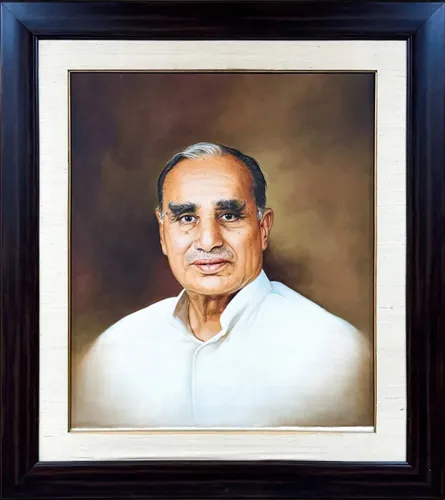
Haryana Chief Minister Nayab Singh Saini mourned the death of constitutional scholar Subhash Kashyap, former Secretary-General of the Lok Sabha, praising his landmark contributions to parliamentary procedure, political science, and journalism education in India.
Key Takeaways
Haryana CM Nayab Singh Saini posted a condolence message on June 5, 2026 on the death of constitutional scholar Subhash Kashyap .
Kashyap served as Secretary-General of the Lok Sabha from 1983 to 1990 , shaping procedural norms still in use today.
His multi-volume work 'Parliamentary Procedure' remains a standard reference for Indian legislatures and law schools.
Saini described Kashyap's contributions to the Constitution, parliamentary traditions, political science, and journalism as 'a perpetual source of inspiration'.
Kashyap's scholarship was considered non-partisan and was cited by successive governments across political affiliations.
His passing is seen as a significant loss for India's constitutional and parliamentary scholarship community.
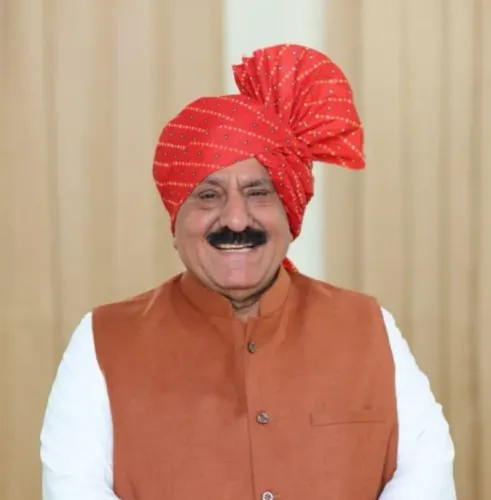
Haryana Chief Minister Nayab Singh Saini on Friday, June 5, 2026, expressed deep condolences on the passing of eminent constitutional scholar, educationist and thinker Subhash Kashyap, calling the news 'extremely saddening' and paying tribute to his lifelong contributions to Indian constitutional and parliamentary thought.
Context
In his post, CM Saini wrote — 'प्रख्यात संविधान विशेषज्ञ, शिक्षाविद् एवं चिंतक सुभाष कश्यप जी के निधन का समाचार अत्यंत दुःखद है' ['The news of the passing of eminent constitutional expert, educationist and thinker Subhash Kashyap ji is extremely saddening']. He prayed that God grant the departed soul a place at His feet and give strength to the bereaved family in this difficult time. The tribute, posted in Hindi, reflects the regard that political leaders across India hold for Kashyap's decades of institutional work.
Policy Backdrop
Subhash C. Kashyap served as Secretary-General of the Lok Sabha from 1983 to 1990, a tenure during which he shaped procedural norms that continue to be referenced in parliamentary manuals to this day. His multi-volume work 'Parliamentary Procedure', published through the 1980s and 1990s, became the standard reference text for Indian legislatures, guiding generations of parliamentarians, legislative staff, and constitutional researchers. He was also widely recognised for his writings on political science and journalism education, making him a rare scholar who bridged institutional practice and academic inquiry.
Kashyap's influence extended well beyond the Lok Sabha chamber. His analyses of the anti-defection law, rules of procedure, and legislative drafting were cited by successive governments regardless of political affiliation, cementing his reputation as a non-partisan custodian of constitutional knowledge.
Stakeholders and Impact
The passing of Subhash Kashyap is a significant loss for parliamentarians, constitutional scholars, and journalism educators across India. His works remain primary references in law schools, public administration programmes, and parliamentary training institutes. The condolence from Haryana's Chief Minister is among the public acknowledgements of his stature, underscoring how deeply his scholarship penetrated India's political and administrative establishment.
Indian political leaders routinely issue public tributes upon the passing of constitutional and parliamentary experts, a practice that reflects the continuing salience of institutional memory in the country's democracy. Such statements also highlight the BJP's sustained emphasis on constitutional literacy as part of its broader political messaging since 2014.
What's Next
Observers of India's parliamentary culture will watch for possible decisions by central or state governments to honour Kashyap's legacy — including a memorial lecture series, posthumous recognition, or reprints of his collected works. Any reference to his writings during upcoming parliamentary sessions on procedural reforms would further underscore the enduring relevance of his scholarship. His death leaves a void in constitutional studies that will be difficult to fill, and the coming weeks may see institutions he shaped formally record their condolences and commitments to preserving his intellectual legacy.
Point of View
Embodied in scholars like Kashyap, is foundational to democratic governance. Kashyap's career bridged the procedural and the intellectual, making him a rare figure whose influence cut across party lines and governmental transitions. The BJP's decision to publicly amplify this tribute fits a broader pattern of associating the party with constitutional reverence, a messaging thread that has grown more deliberate since 2014. How institutions respond in the weeks ahead — through memorial lectures or republication of his works — will indicate how seriously the political class intends to honour that legacy beyond social media.
NationPress
20 Oct 2026
Frequently Asked Questions
Who was Subhash Kashyap?
Subhash C. Kashyap was an eminent Indian constitutional scholar, educationist, and thinker who served as Secretary-General of the Lok Sabha from 1983 to 1990. He authored the authoritative multi-volume work 'Parliamentary Procedure' and wrote extensively on political science and journalism.
What did CM Nayab Singh Saini say about Subhash Kashyap's death?
Haryana CM Nayab Singh Saini called the news of Kashyap's passing 'extremely saddening' and said his contributions to the Constitution, parliamentary traditions, political science, and journalism would remain a perpetual source of inspiration. He also prayed for the departed soul and strength for the bereaved family.
What was Subhash Kashyap's role in the Lok Sabha?
Subhash Kashyap served as Secretary-General of the Lok Sabha from 1983 to 1990, during which he established procedural precedents that are still referenced in parliamentary manuals and trained generations of legislators and parliamentary staff.
Why is Subhash Kashyap considered important to Indian constitutional studies?
Kashyap's multi-volume 'Parliamentary Procedure' became the standard reference text for Indian legislatures. His analyses of the anti-defection law, rules of procedure, and legislative drafting were cited by successive governments, making him a non-partisan authority on constitutional and parliamentary matters.
What may happen to honour Subhash Kashyap's legacy?
Possible tributes could include a central or state government memorial lecture series, posthumous recognition, or reprints of his collected works. References to his writings may also appear in upcoming parliamentary sessions focused on procedural reforms.