Shekhawat condoles death of constitutional scholar Dr. Subhash C. Kashyap
Synopsis
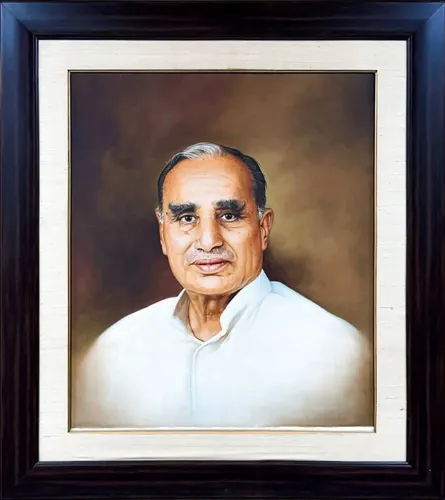
Union Culture and Tourism Minister Gajendra Singh Shekhawat has mourned the passing of Padma Bhushan awardee Dr. Subhash C. Kashyap, former Secretary-General of Lok Sabha and a towering figure in Indian constitutional scholarship, calling his death a significant national loss.
Key Takeaways
Union Minister Gajendra Singh Shekhawat expressed grief over the death of Dr.
Kashyap on June 5, 2026 .
Kashyap was a Padma Bhushan awardee and one of India's foremost constitutional and parliamentary experts.
He served as Secretary-General of Lok Sabha from 1983 to 1990 , the highest administrative post in the lower house.
Shekhawat credited Dr.
Kashyap with deepening public awareness of democracy and called his life an inspiration.
A formal obituary reference in the next Lok Sabha session is consistent with parliamentary convention for former Secretaries-General.
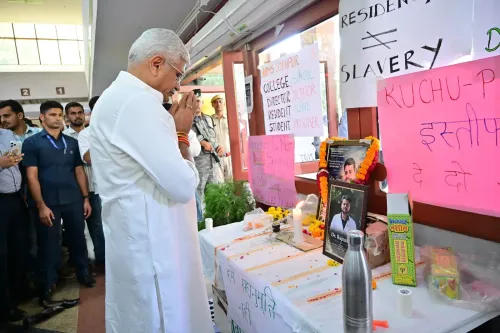
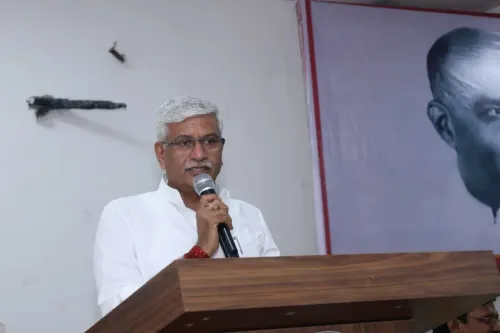
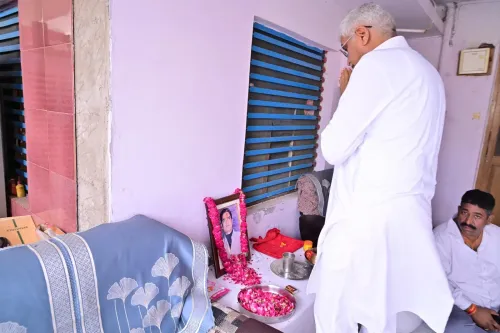
Union Culture and Tourism Minister Gajendra Singh Shekhawat on Friday, June 5, 2026, expressed deep grief over the passing of eminent constitutional expert and Padma Bhushan awardee Dr. Subhash C. Kashyap, calling his death a significant loss for the nation. The minister offered condolences to the bereaved family and prayed for peace for the departed soul.
Context
Posting on X, Shekhawat wrote: 'पद्म भूषण से सम्मानित प्रख्यात संविधान विशेषज्ञ डॉ. सुभाष सी. कश्यप जी का देहावसान अत्यंत दुःखद है' ['The passing of eminent constitutional expert and Padma Bhushan awardee Dr. Subhash C. Kashyap is extremely saddening']. He noted that Dr. Kashyap had a deep understanding of the nuances of democracy and had continuously contributed to public awareness on related subjects, adding that his life was an inspiration.
The minister concluded his message with a prayer: 'ईश्वर दिवंगत आत्मा को अपने श्रीचरणों में स्थान दें' ['May God grant the departed soul a place at His feet'] and sought strength for the grieving family. He signed off with 'ॐ शांति!' — the traditional Sanskrit invocation of peace.
Policy Backdrop
Dr. Subhash C. Kashyap served as Secretary-General of Lok Sabha from 1983 to 1990, the highest administrative position in the lower house of Parliament. He was widely regarded as one of India's foremost authorities on constitutional and parliamentary procedure, authoring standard reference works used by legislators, scholars, and judicial bodies alike.
He was conferred the Padma Bhushan, India's third-highest civilian honour, in recognition of his distinguished service to public affairs and constitutional scholarship. After his tenure at the Lok Sabha Secretariat, he continued to advise parliamentary committees on procedural reforms, cementing his legacy as a bridge between institutional practice and academic rigour.
Stakeholders and Impact
Dr. Kashyap's work directly shaped the understanding of parliamentary procedure among generations of legislators, civil servants, and constitutional lawyers. His writings remain prescribed reading in academic and policy circles, and his counsel was sought across party lines during critical legislative moments.
Indian ministers and senior officials routinely issue public condolence statements on the passing of Padma awardees and former parliamentary officers, reflecting an established tradition of state recognition for contributions to constitutional governance. Shekhawat's message is consistent with this practice, underscoring the cross-institutional respect Dr. Kashyap commanded.
What's Next
Parliamentary convention allows for formal obituary references at the start of a Lok Sabha session when a former Secretary-General passes away. A motion or tribute in the next session of Parliament would be in keeping with precedent. Scholarly bodies and constitutional institutions may also consider memorial lectures or commemorative volumes in his honour.
Dr. Kashyap's passing marks the end of a generation of post-independence constitutional architects who built the procedural scaffolding of Indian democracy from within its institutions — a legacy that will continue to inform parliamentary practice long after his departure.
Point of View
Making cross-party tributes both expected and sincere. The statement also reflects the BJP-led government's broader effort to associate itself with the legacy of constitutional stewardship and parliamentary tradition. Dr. Kashyap's death prompts a wider conversation about preserving institutional memory at a time when parliamentary procedure is frequently contested in public discourse.
NationPress
20 Oct 2026
Frequently Asked Questions
Who was Dr. Subhash C. Kashyap?
Dr. Subhash C. Kashyap was a Padma Bhushan awardee and one of India's leading constitutional experts, who served as Secretary-General of Lok Sabha from 1983 to 1990 and authored authoritative works on Indian parliamentary procedure.
Why did Gajendra Singh Shekhawat post a condolence message for Dr. Kashyap?
Shekhawat paid tribute to Dr. Kashyap as a distinguished constitutional scholar and Padma Bhushan awardee, noting his deep understanding of democracy and his lifelong contribution to public awareness on constitutional matters.
What is the Padma Bhushan award?
The Padma Bhushan is India's third-highest civilian honour, awarded for distinguished service of a high order to the nation in any field including public affairs and scholarship.
What role did Dr. Kashyap play in the Lok Sabha?
Dr. Kashyap served as Secretary-General of Lok Sabha, the highest administrative position in India's lower house of Parliament, from 1983 to 1990, and later advised parliamentary committees on procedural reforms.
Will Parliament hold a formal tribute for Dr. Subhash C. Kashyap?
Parliamentary convention provides for formal obituary references at the start of a Lok Sabha session when a former Secretary-General passes away, making such a tribute likely in the next sitting of the House.