CM Saini Pays Tribute to RSS Ideologue Golwalkar on Death Anniversary
Synopsis
Haryana Chief Minister Nayab Singh Saini on June 5 paid tribute to RSS second Sarsanghchalak Madhavrao Golwalkar on his death anniversary, calling his life an unparalleled example of sacrifice and national service, and his philosophy a lasting guiding light.
Key Takeaways
Haryana CM Nayab Singh Saini paid tribute to M.S.
Golwalkar on his death anniversary on June 5, 2026 .
Golwalkar served as the second Sarsanghchalak of the RSS from 1940 to 1973 , succeeding founder K.B.
Saini described Golwalkar's life as 'an unparalleled example of sacrifice, penance, and national service.' The RSS was founded in 1925 in Nagpur and is the parent body of the Sangh Parivar, which includes the BJP .
BJP state leaders routinely mark RSS figures' anniversaries, reinforcing ideological continuity between the party and the Sangh.
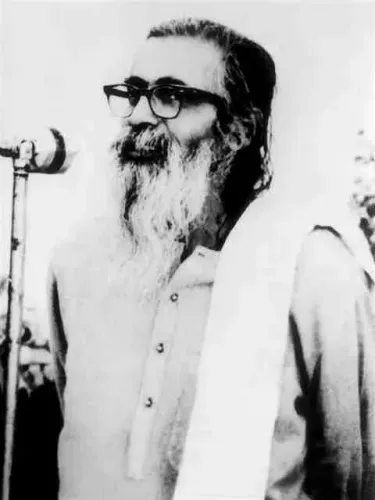
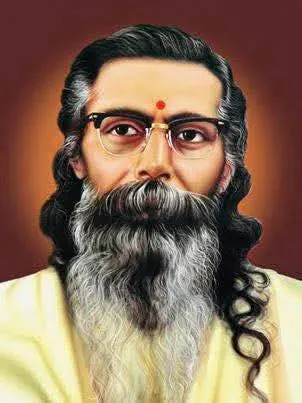
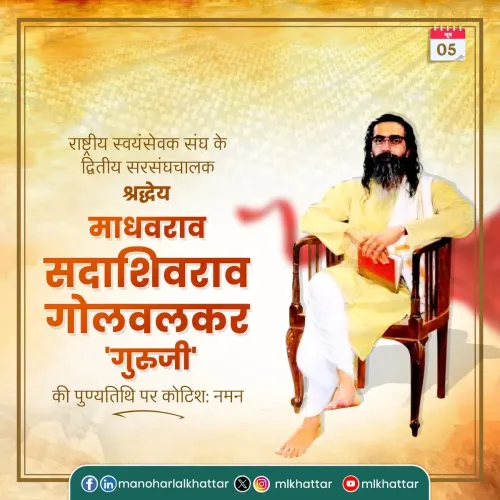
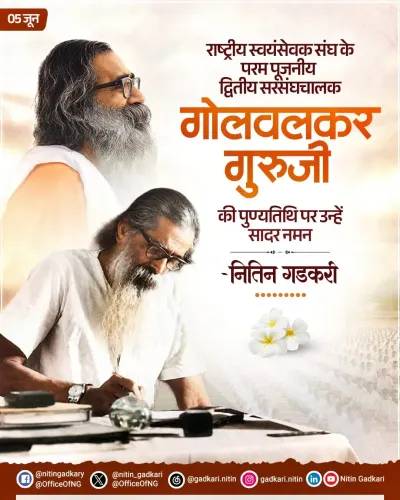
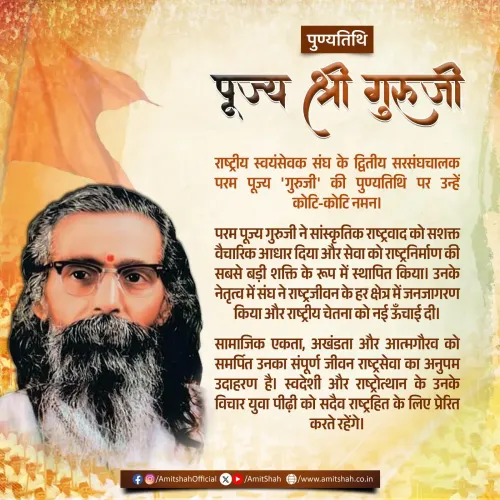
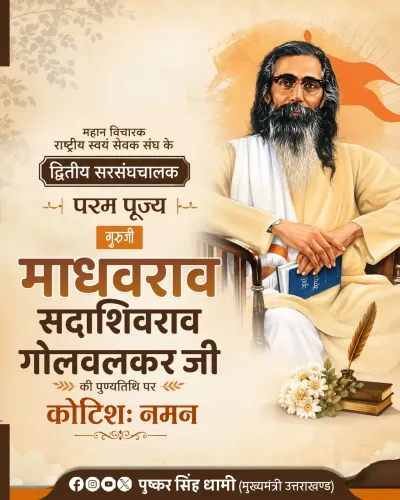
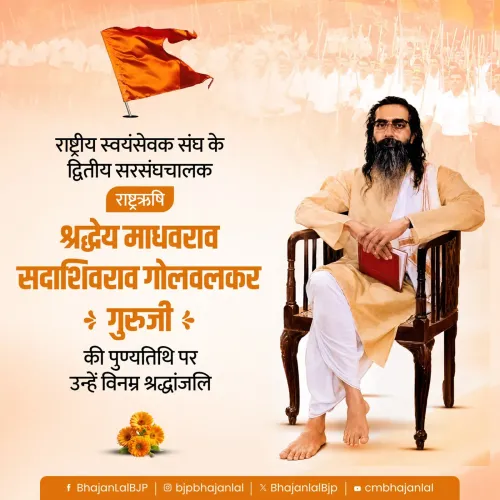
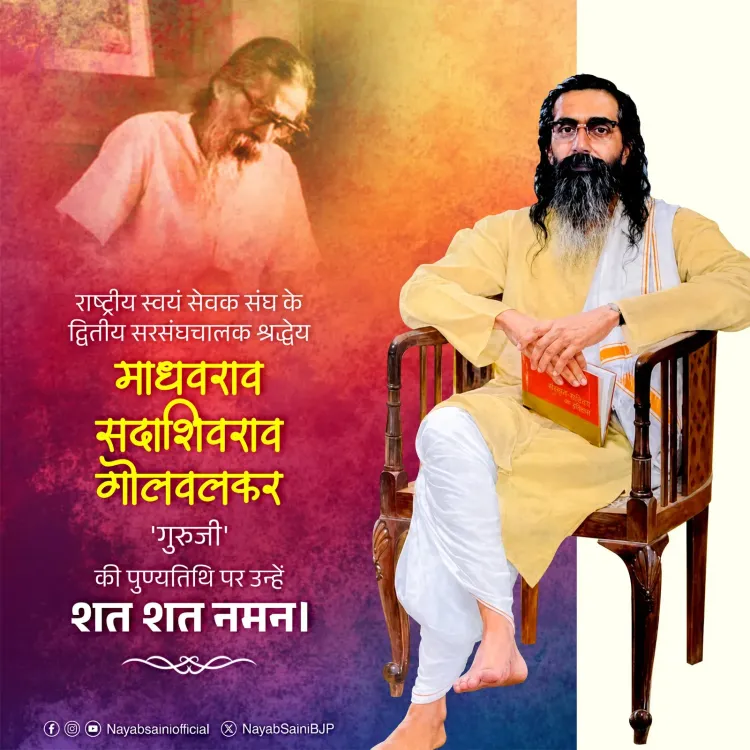
Haryana Chief Minister Nayab Singh Saini on Friday, June 5, paid homage to Madhavrao Sadashivrao Golwalkar, the second Sarsanghchalak of the Rashtriya Swayamsevak Sangh (RSS), on his death anniversary. Saini, a senior BJP leader, described Golwalkar — reverently known as 'Guruji' — as an unparalleled symbol of sacrifice, penance, and national service.
Context
Posting on X, CM Saini wrote in Hindi: 'Rashtriya Swayamsevak Sangh ke dwitiya Sarsanghchalak shraddheya Madhavrao Sadashivrao Golwalkar 'Guruji' ki punyatithi par unhe shat shat naman' — translated as: 'A hundredfold salutation to the revered Madhavrao Sadashivrao Golwalkar 'Guruji', the second Sarsanghchalak of the RSS, on his death anniversary.' Saini added that Guruji dedicated his entire life to the unity and integrity of the nation and to awakening a spirit of patriotism in society.
The Chief Minister further noted that Golwalkar's life is 'an unparalleled example of sacrifice, penance, and national service,' and that his 'inspiring thoughts, strong leadership, and value-based philosophy of life will always be a guiding light for all of us.'
Policy Backdrop
Madhavrao Sadashivrao Golwalkar served as Sarsanghchalak of the RSS from 1940 to 1973, succeeding the organisation's founder, K.B. Hedgewar. Under his three-decade leadership, the RSS expanded its network of shakhas (branches) across India and articulated a comprehensive ideological framework centred on Hindu nationalism, cultural unity, and grassroots volunteerism. He is also known as the author of 'Bunch of Thoughts', a foundational text in RSS ideology.
The RSS, founded in 1925 in Nagpur, is the parent body of the Sangh Parivar — a family of organisations that includes the BJP. Golwalkar's emphasis on national integration and cultural nationalism remains a touchstone in the ideological vocabulary of the broader Sangh movement.
Stakeholders and Impact
Tributes of this nature carry significance for RSS cadres and BJP workers across Haryana and nationally, reinforcing the ideological continuity between the ruling party and its parent organisation. For the BJP's base, public acknowledgment of RSS figures by elected representatives is a reaffirmation of shared values rather than a purely ceremonial gesture.
Such commemorations also reflect a broader pattern among BJP-governed states, where chief ministers routinely mark death and birth anniversaries of prominent Sangh figures. These statements consistently foreground themes of national unity, cultural nationalism, and value-based public life — themes that also feature in official state communications from Haryana.
What's Next
Commemorations of other key RSS anniversaries — including the birth and death anniversaries of founder K.B. Hedgewar and later Sarsanghchalaks — are likely to see similar tributes from CM Saini and counterparts in other BJP-ruled states. Observers will watch whether Haryana's state cultural or education programmes incorporate references to Golwalkar's philosophy, as has been seen in some other BJP-governed states. The tribute underscores how the BJP-RSS ideological relationship continues to find expression in the public communications of elected leaders.
Point of View
Using elected office to reinforce the party's ideological lineage. The language of 'national unity, integrity, and patriotism' mirrors the vocabulary routinely deployed in official Haryana government communications, blurring the line between party messaging and state voice. For the BJP's core constituency, such gestures signal fidelity to the Sangh's foundational values at a time when the party's organisational ties to the RSS remain central to its political identity. The tribute also keeps Golwalkar's philosophy — particularly his stress on cultural nationalism — visible in mainstream political discourse.
NationPress
19 Sept 2026
Frequently Asked Questions
Who is Madhavrao Golwalkar and why is he significant?
Madhavrao Sadashivrao Golwalkar, known as 'Guruji', was the second Sarsanghchalak of the RSS, leading the organisation from 1940 to 1973. He is regarded as a key ideologue of Hindu nationalism and authored 'Bunch of Thoughts', a foundational text in RSS ideology.
When is Golwalkar's death anniversary observed?
Golwalkar's death anniversary, known as punyatithi , falls in June. In 2026, Haryana CM Nayab Singh Saini paid tribute on June 5.
Why do BJP leaders pay tribute to RSS figures?
BJP leaders publicly honour RSS figures on death and birth anniversaries to reinforce the ideological continuity between the BJP and its parent organisation, the RSS, and to affirm shared values of cultural nationalism and national unity.
What is the RSS and what is its connection to the BJP?
The Rashtriya Swayamsevak Sangh (RSS) is a Hindu nationalist volunteer organisation founded in 1925 in Nagpur. It is the parent body of the Sangh Parivar, a network of affiliated organisations that includes the BJP.
Who is Nayab Singh Saini?
Nayab Singh Saini is a BJP leader who has served as Chief Minister of Haryana since 2024. He is known for regularly issuing tributes to RSS and BJP figures on significant anniversaries.