CM Nayab Saini Reviews Haryana School Education with SMC Members
Synopsis
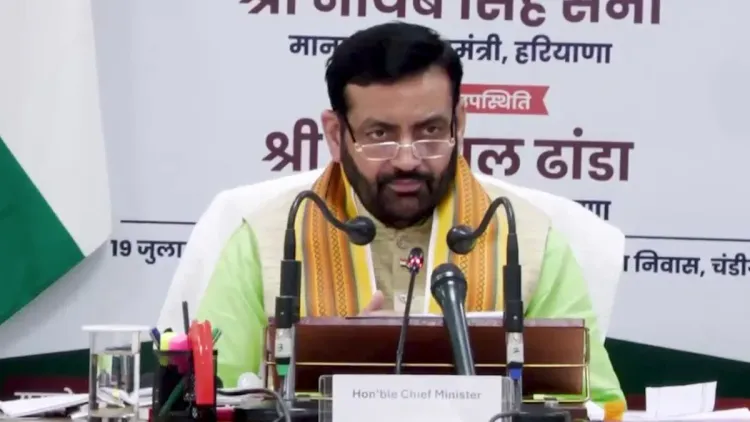
Chief Minister Nayab Saini convened a state-level meeting in Chandigarh with School Management Committee members from across Haryana on 19 July 2026, reviewing school infrastructure, the education system, and issuing directives to make Haryana a leading state in education, research, and innovation.
Key Takeaways
Chief Minister Nayab Saini chaired a meeting with School Management Committee (SMC) members from across Haryana in Chandigarh on 19 July 2026 .
The meeting reviewed Haryana's school education system , infrastructure , and the academic environment available to students.
SMCs are statutory bodies mandated under the Right to Education Act, 2009 to ensure community participation in government school governance.
CM Saini issued directives to strengthen the education system, ensure modern facilities in schools, and position Haryana as a leader in education, research, and innovation .
The review aligns with the National Education Policy 2020 , which directs states to modernise school infrastructure and promote research ecosystems.
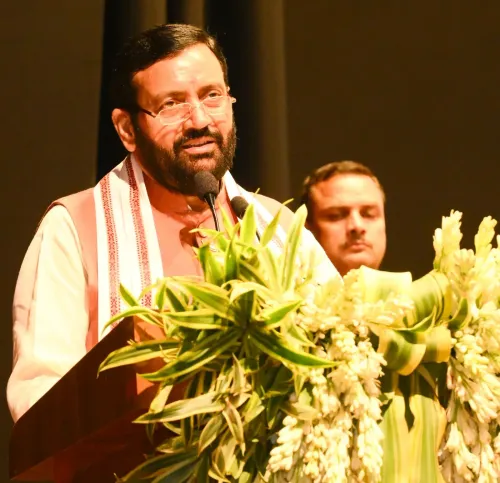
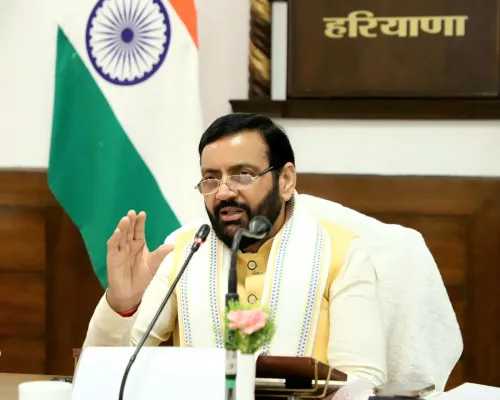
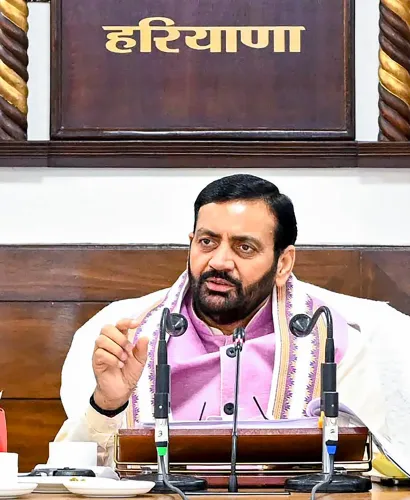
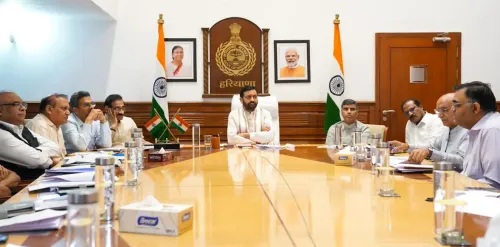
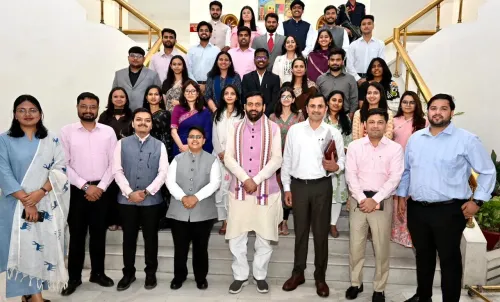
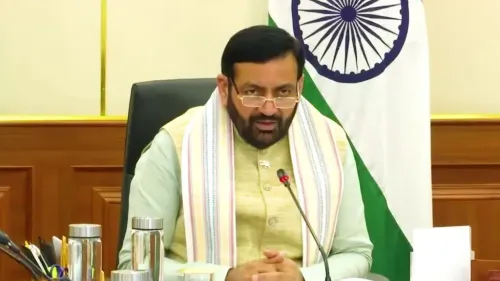
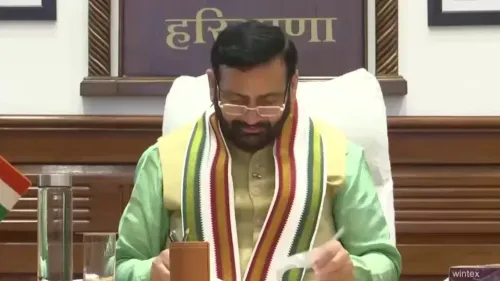
The Chief Minister's Office of Haryana announced on Sunday, 19 July 2026 that Chief Minister Nayab Saini chaired a state-level meeting in Chandigarh with members of School Management Committees (SMCs) drawn from across Haryana, conducting a wide-ranging review of the state's school education system, infrastructure, and the learning environment available to students.
The post, shared by the official Chief Minister's Office account, stated in Hindi: 'बैठक में प्रदेश की शिक्षा व्यवस्था, विद्यालयों की आधारभूत संरचना तथा विद्यार्थियों को बेहतर शैक्षणिक वातावरण उपलब्ध कराने से जुड़े विभिन्न विषयों की विस्तृत समीक्षा की' — meaning the meeting undertook a detailed review of the state's education system, school infrastructure, and measures to provide students a better academic environment.
Context
School Management Committees are grassroots bodies constituted under the Right to Education Act, 2009, mandated in every government school to bring parents, teachers, and local community members into the governance of school affairs. Their periodic consultation with state leadership is a recognised mechanism for surfacing ground-level concerns before policy or budgetary decisions are finalised. Haryana, with its large network of government schools spread across urban and rural districts, has held such reviews as part of its administrative calendar.
The meeting in Chandigarh — the shared capital of Haryana and Punjab, and the seat of the state's administrative apparatus — drew SMC members from across all districts of the state, making it a broad-based consultation rather than a localised event.
Policy Backdrop
The review sits within a layered national policy framework. The Right to Education Act, 2009 first institutionalised SMCs as accountability structures, while the National Education Policy (NEP) 2020 directed states to modernise school infrastructure, integrate vocational pathways, and cultivate research and innovation ecosystems at the school level. Haryana has been incrementally aligning its school sector with these directives since the policy's rollout.
Chief Minister Nayab Saini, who assumed office in March 2024, has placed education modernisation among the state's stated development priorities. The emphasis on making Haryana a 'leading state in education, research, and innovation' — as conveyed in the official post — echoes the NEP's push for states to differentiate themselves through quality benchmarks rather than enrolment numbers alone. Similar consultative reviews have been undertaken in neighbouring states as part of pre-budget groundwork.
Stakeholders and Impact
The primary beneficiaries of any outcomes from this review would be government school students across Haryana and the SMC members themselves, who serve as the link between school administration and local communities. Improved infrastructure — modern classrooms, laboratories, digital learning tools — directly affects student learning outcomes, particularly in rural and semi-urban areas where government schools remain the primary educational option.
For SMC members, the meeting represents a channel to communicate infrastructure gaps and administrative challenges directly to the Chief Minister's level, a relatively rare opportunity that can shape state-level resource allocation. The consultation format also signals that the government intends to factor community feedback into upcoming decisions on school modernisation.
What's Next
Attention will now turn to whether the directives issued by CM Saini — focused on strengthening the education system, ensuring modern facilities in schools, and positioning Haryana as a leader in education, research, and innovation — translate into concrete budgetary allocations or scheme announcements in the 2025-26 academic year. Observers will also watch for the rollout of any district-level SMC training or capacity-building modules, which have been discussed as a follow-up mechanism in similar state-level consultations. The degree to which community inputs from this meeting inform the next state budget's education chapter will be a key indicator of the consultation's substantive impact.
Point of View
Not just enrolment, is the new benchmark. Whether this translates into measurable infrastructure spending or remains aspirational rhetoric will define the meeting's legacy. For a Chief Minister who took office in early 2024, visible engagement with community education bodies also serves a constituency-building function in a state with a large rural school-going population.
NationPress
18 Oct 2026
Frequently Asked Questions
What was the Haryana CM SMC meeting about on 19 July 2026?
Chief Minister Nayab Saini met School Management Committee members from across Haryana in Chandigarh on 19 July 2026 to review the state's school education system, infrastructure, and steps to improve the academic environment for students.
What are School Management Committees in Haryana?
School Management Committees are statutory bodies constituted under the Right to Education Act, 2009 in every government school. They include parents, teachers, and community members and are responsible for local oversight and accountability of school functioning.
What directives did CM Nayab Saini give at the SMC meeting?
According to the official Chief Minister's Office post, CM Saini directed officials and SMC members to strengthen the education system, ensure modern facilities in schools, and work towards making Haryana a leading state in education, research, and innovation.
How does this meeting relate to the National Education Policy 2020?
The National Education Policy 2020 directed states to modernise school infrastructure, integrate vocational education, and build research ecosystems. CM Saini's directives at the SMC meeting directly reflect these NEP goals, placing Haryana's push within the national policy framework.
Where was the Haryana SMC review meeting held?
The meeting was held in Chandigarh, the Union Territory that serves as the shared capital of Haryana and Punjab and is the principal seat of Haryana's state administration.