CM Sai's Cabinet Clears Chhattisgarh Export Policy 2026-30
Synopsis
CM Vishnu Dev Sai's cabinet approved the Chhattisgarh Export Promotion Policy 2026-30 in September, aiming to connect the state's agricultural and industrial producers with international markets over the next four years.
Key Takeaways
Chhattisgarh Export Promotion Policy 2026-30 was cleared by the state cabinet at its September 2026 meeting.
The policy targets exports of both agricultural and industrial products from the state.
It aims to provide entrepreneurs new access to international markets .
The initiative was announced under Chief Minister Vishnu Dev Sai , a BJP leader in office since the 2023 state elections .
Specific incentive structures and eligible sectors await the official gazette notification .
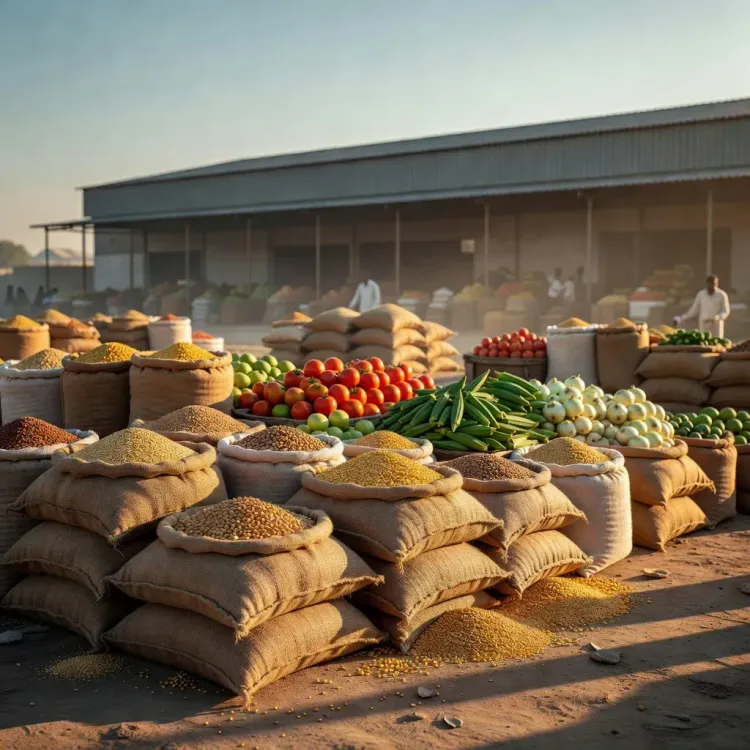
Chhattisgarh has taken a deliberate step toward plugging its farmers and factory floors into global supply chains. The cabinet led by Chief Minister Vishnu Dev Sai approved the 'Chhattisgarh Export Promotion Policy 2026-30' at its September 2026 meeting, signalling the state's intent to transform its agri and industrial output into an internationally traded commodity.
What the policy sets out to do
The Chief Minister's Office announced the approval on 18 October 2026, framing the policy as a direct bridge between Chhattisgarh's producers and international markets. The post stated the move will 'krishi evam audyogik utpadon ke niryat ko badhawa milega' ('boost exports of agricultural and industrial products') and open 'new opportunities for entrepreneurs to access international markets.' The four-year horizon — 2026 through 2030 — aligns the policy with the final stretch of the current central government's Viksit Bharat roadmap.
Chhattisgarh's case for going global
The state sits on one of India's richest mineral belts and produces significant volumes of rice, minor forest produce, and steel. Yet historically, much of that output has stayed locked in domestic or regional trade circuits. An export promotion framework, if backed by concrete incentives, could redirect a portion of that surplus toward higher-value international buyers — a pattern already tested by agri-and-mineral-rich states elsewhere in India.
The cabinet clearance under Chief Minister Vishnu Dev Sai — a Bharatiya Janata Party leader who took office after the 2023 assembly elections — marks one of the more consequential economic moves of his tenure. Branding it under the hashtag #ViksitChhattisgarh ties the initiative explicitly to the state's development narrative ahead of the next electoral cycle.
What exporters and entrepreneurs should watch next
The cabinet approval is the starting gun, not the finish line. The gazette notification — expected to detail eligible sectors, specific incentive structures, and the implementation calendar — will determine whether the policy translates into real competitive advantage for exporters. Entrepreneurs and agri-producers in the state now wait to see which product categories earn the sharpest incentives and whether dedicated export facilitation infrastructure follows.
For now, Chhattisgarh has placed a clear bet: that the state's agricultural abundance and industrial base are undervalued assets in global trade. The next four years will test that conviction.
Point of View
Which has historically under-leveraged its mineral and agri surplus in global markets, the 2026-30 window is a real opportunity — but implementation rigour, not the cabinet stamp, will be the real test of intent.
NationPress
18 Oct 2026
Frequently Asked Questions
What is the Chhattisgarh Export Promotion Policy 2026-30?
It is a state government policy approved by the cabinet under Chief Minister Vishnu Dev Sai to boost exports of agricultural and industrial products and help entrepreneurs access international markets between 2026 and 2030.
When was the Chhattisgarh Export Promotion Policy approved?
The policy was approved at a cabinet meeting held in September 2026 and officially announced by the Chief Minister's Office on 18 October 2026 .
Who approved the Chhattisgarh export policy?
The cabinet led by Chief Minister Vishnu Dev Sai of the Bharatiya Janata Party approved the policy.
What sectors does the Chhattisgarh export policy cover?
The policy broadly covers agricultural and industrial products . Specific eligible sectors will be detailed in the official gazette notification.
What comes next after the cabinet approval of the export policy?
An official gazette notification is expected to lay out specific incentives, eligible product categories, and the implementation timeline for the policy.