Anurag Thakur urges families to back girls in sports
Synopsis
BJP MP Anurag Thakur, former sports minister, called on families and communities in Hamirpur, Himachal Pradesh, to back girls in sport — framing social encouragement as the missing piece alongside government schemes like Khelo India.
Key Takeaways
Anurag Thakur , BJP Lok Sabha MP from Hamirpur, Himachal Pradesh , posted a call on October 18, 2026 urging families and society to support girls in sports.
The Hindi message translates to: 'Let family and society come together to take daughters forward in sports too.' Thakur served as Union Minister of Youth Affairs and Sports and oversaw the Khelo India programme , launched in 2017 to promote grassroots sports including for women.
The post was shared from Hamirpur , a rural constituency where social barriers to female sports participation remain a documented challenge.
The advocacy reflects a wider pattern of Indian MPs using local platforms to push gender inclusion in sports alongside national policy frameworks.
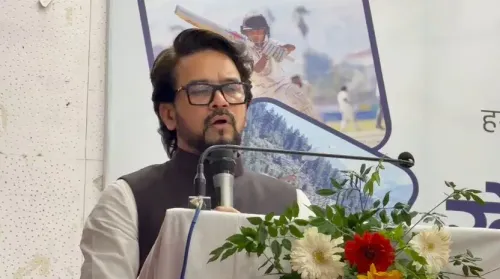
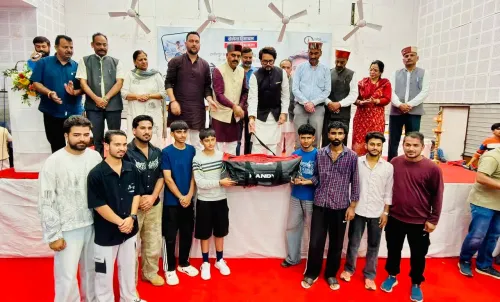
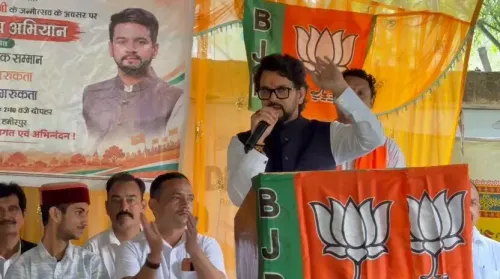
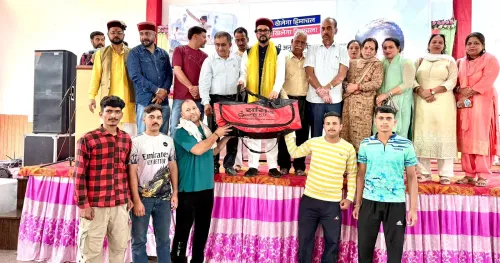
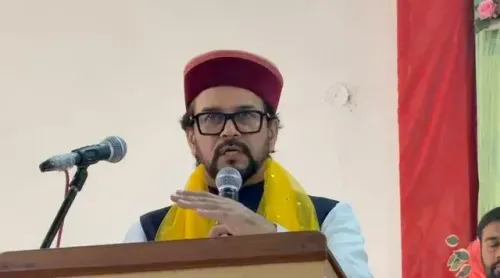
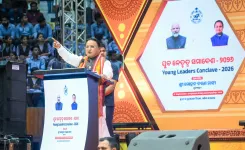
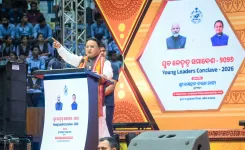
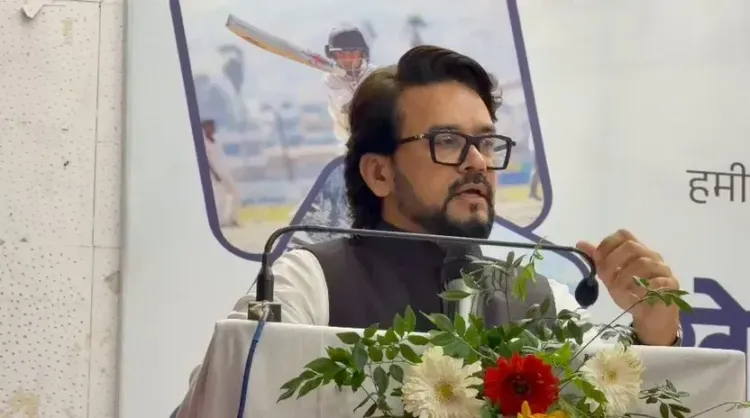
From his home constituency of Hamirpur, Himachal Pradesh, BJP MP Anurag Thakur called on families and society to stand behind daughters who aspire to compete in sports — a message posted on Sunday, October 18, 2026 that draws directly on his years steering India's sports policy from the centre.
In Hindi, Thakur wrote: 'Betiyon ko bhi khelon mein aage badhane ke liye parivaar aur samaaj saath aaye' — 'Let family and society come together to take daughters forward in sports too.' The word 'too' carries weight: it is a quiet acknowledgement that girls have historically had to fight for the same encouragement that boys in sport take for granted.
Why Hamirpur, and why Thakur
Thakur is not a random voice on this subject. As Union Minister of Youth Affairs and Sports before his return to the backbenches, he was among the key figures overseeing the Khelo India programme, launched in 2017 to seed grassroots sports culture across the country — with a specific push for female participation. Constituency-level advocacy like this post sits squarely in that continuum.
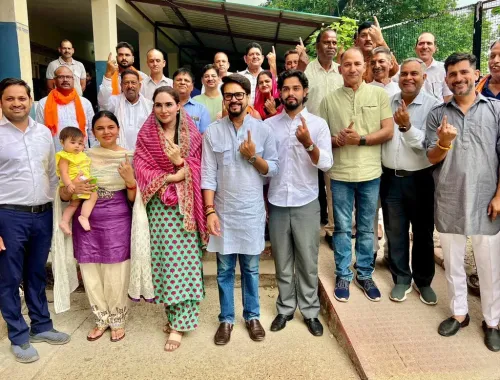
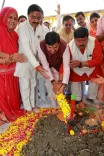
Hamirpur is a hilly, largely rural district where access to quality sports infrastructure remains uneven, and where social norms around girls playing competitive sport can still be a barrier. A sitting MP using his platform to chip away at those norms — on video, from the ground — is a direct form of constituency-level mobilisation.
The gap between policy and the playing field
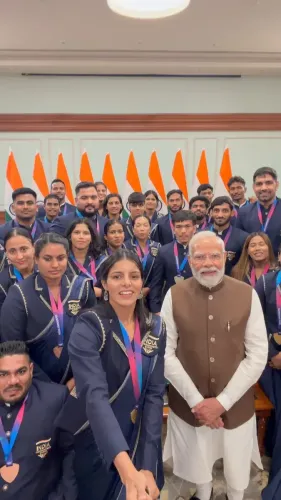
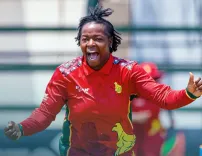
India has produced a generation of women champions — weightlifters, boxers, wrestlers, shuttlers — whose journeys almost universally feature a family that chose to believe. The Khelo India framework created pathways: scholarships, identified talent centres, inter-district tournaments. But the first gate every girl athlete has to pass through is a household that says yes. That is precisely the gate Thakur is asking communities in Himachal Pradesh to open wider.
Whether the message lands as advocacy or political signalling, the ask itself is unambiguous: social permission, not just policy infrastructure, is the missing variable in women's sports development at the grassroots. Until families and neighbourhoods normalise the sight of a girl training, competing, and winning, the best-designed schemes stop at the doorstep.
Point of View
His pivot to constituency-level social messaging suggests he sees the cultural barrier as the harder and more immediate problem to solve. The framing — placing the ask on 'family and society' rather than government — is politically careful but substantively accurate: the evidence from India's champion women athletes consistently points to family buy-in as the decisive early variable. Whether this translates into structured grassroots activity in Himachal Pradesh, or remains a social-media nudge, will determine how much it actually moves the needle.
NationPress
18 Oct 2026
Frequently Asked Questions
What did Anurag Thakur post about girls and sports?
On October 18, 2026, Thakur posted a message from Hamirpur urging families and society to come together and actively support daughters who want to pursue sports.
What is the Khelo India programme?
Khelo India is a government scheme launched in 2017 to promote grassroots sports participation across India, with a specific focus on increasing involvement of girls and women.
Why is Anurag Thakur associated with sports policy?
Anurag Thakur served as Union Minister of Youth Affairs and Sports before returning to his Lok Sabha role, making him one of the key figures behind India's recent sports development agenda.
Which constituency does Anurag Thakur represent?
Anurag Thakur is the BJP Lok Sabha MP from Hamirpur in Himachal Pradesh.
What barriers do girls face in sports in rural India?
In rural areas including parts of Himachal Pradesh, girls often face social and family-level resistance to pursuing competitive sport, even where government schemes provide infrastructure and scholarships.