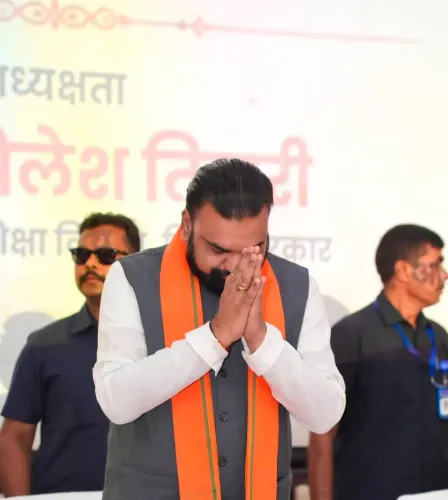
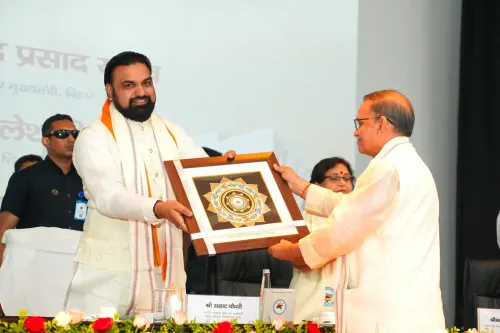
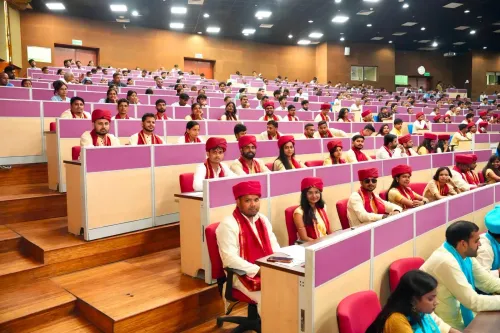
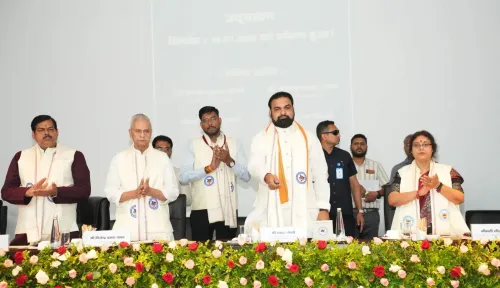
CM Samrat Choudhary at Bihar Engineering University Third Convocation
Synopsis
Bihar Chief Minister Samrat Choudhary attended the third convocation of Bihar Engineering University in Patna on 18 July 2026, marking continued growth of the state's technical education infrastructure and its effort to retain engineering talent within Bihar.
Key Takeaways
Bihar Chief Minister Samrat Choudhary attended the third convocation of Bihar Engineering University, Patna on 18 July 2026 .
The third convocation signals that the university has completed multiple full academic cycles, indicating institutional maturity.
Bihar Engineering University was established by state legislation to expand local engineering education and reduce student outmigration.
Bihar has pursued creation of new universities and technical institutions over the past decade to improve access to higher education within the state.
Graduate outcomes, placement statistics, and future state budget allocations for engineering infrastructure are the key indicators to watch.
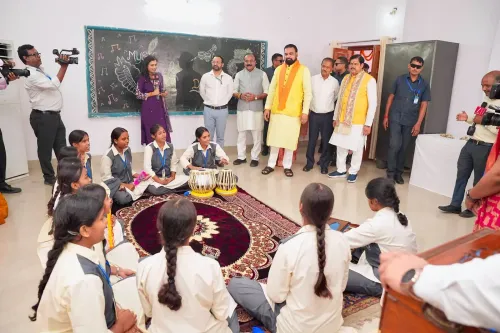
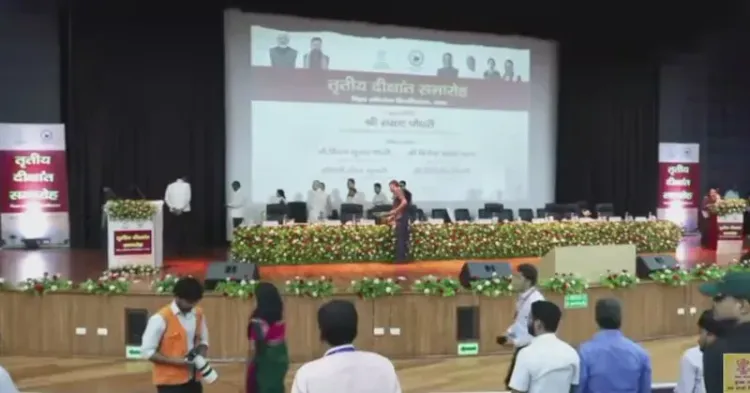
Bihar Chief Minister Samrat Choudhary attended the third convocation ceremony of Bihar Engineering University, Patna on Saturday, 18 July 2026, marking a significant milestone in the state's push to strengthen technical higher education.
Context
Chief Minister Choudhary shared a live broadcast of the event on his official X account, captioning it: 'Bihar Engineering University, Patna ka teesra diksha samaaroh' ('Third convocation ceremony of Bihar Engineering University, Patna'). The ceremony represents the third graduating cohort to be formally conferred degrees by the university since its establishment.
A convocation is a formal institutional rite of passage for graduating engineers, and the third edition signals that Bihar Engineering University has now completed multiple full academic cycles — a marker of growing institutional stability.
Policy Backdrop
The Bihar government established Bihar Engineering University through dedicated legislation specifically to expand the state's technical education capacity and reduce the outflow of students to institutions in other states. For years, Bihar's limited local engineering college infrastructure meant that a large share of aspirants had to migrate to cities such as Delhi, Pune, or Bengaluru for quality technical degrees.
Over the past decade, the state has pursued a broader strategy of creating new universities and upgrading existing institutions to improve local access to higher education. Regular convocations at these institutions serve as visible, public markers of that investment bearing fruit — translating policy intent into credentialled graduates entering the workforce.
Stakeholders and Impact
The primary beneficiaries of this convocation are the engineering graduates receiving their degrees, many of whom are the first in their families to earn a technical qualification. For the state's economy, a growing pool of locally trained engineers supports sectors ranging from construction and infrastructure to information technology and manufacturing.
Technical education students across Bihar also watch such events closely as signals of the state's commitment to maintaining and expanding engineering college seats, faculty positions, and campus infrastructure. Parents and students from smaller districts in particular benefit when credible degree-granting institutions are accessible within the state.
What's Next
The trajectory of Bihar Engineering University will be tracked through subsequent annual convocations, placement data for graduating batches, and state budget allocations directed at engineering infrastructure and faculty recruitment. Chief Minister Choudhary's visible presence at the ceremony underscores the political salience of education as a governance deliverable ahead of future electoral cycles in the state.
As Bihar continues to invest in institution-building, the performance of universities like this one — measured by graduate outcomes and industry linkages — will increasingly define the state's human capital story.
Point of View
Human-interest moment to anchor claims of development delivery. Bihar's push to build engineering institutions from scratch fits a broader pattern among aspirational states seeking to retain talent and reduce dependency on richer states for skilled workers. Whether the university translates these graduating cohorts into strong placement outcomes will determine whether the investment holds up as genuine policy success or remains largely symbolic.
NationPress
16 Oct 2026
Frequently Asked Questions
What is Bihar Engineering University and where is it located?
Bihar Engineering University is a state technical university located in Patna , the capital of Bihar. It was established through state legislation to expand engineering education capacity and provide local alternatives to out-of-state institutions.
What happened at the third convocation of Bihar Engineering University?
The third convocation of Bihar Engineering University, Patna was held on 18 July 2026 , with Bihar Chief Minister Samrat Choudhary in attendance. The ceremony formally conferred degrees on the latest graduating batch of engineering students.
Why did CM Samrat Choudhary attend the Bihar Engineering University convocation?
As Bihar Chief Minister, Samrat Choudhary attended the convocation to mark the occasion and underscore the state government's commitment to technical higher education. He also shared a live broadcast of the event on his official social media account.
Why did Bihar establish its own engineering university?
The Bihar government established Bihar Engineering University to strengthen local technical education, increase the number of engineering seats within the state, and reduce the need for students to migrate to other states for engineering degrees.
What should we watch after Bihar Engineering University's third convocation?
Key indicators to follow include subsequent annual convocations, placement statistics for graduating batches, and state budget allocations for engineering infrastructure and faculty expansion at Bihar Engineering University and similar institutions.