CM Samrat Choudhary Hails Modi's SCO Civilisational Dialogue Inauguration
Synopsis
Bihar CM Samrat Choudhary went live on X as PM Narendra Modi inaugurated the SCO's first Civilisational Dialogue Forum on 20 November 2026, spotlighting India's push to embed cultural diplomacy inside the Eurasian security grouping's agenda.
Key Takeaways
PM Narendra Modi inaugurated the SCO's first-ever Civilisational Dialogue Forum on 20 November 2026 .
Bihar CM Samrat Choudhary shared the event live on X, amplifying the moment nationally.
The Shanghai Cooperation Organisation was founded in 2001 ; India joined as a full member in 2017 at Astana.
India hosted the 2023 SCO Summit under the theme 'Vasudhaiva Kutumbakam' , championing people-to-people and cultural ties.
The civilisational dialogue track marks a structural expansion of the SCO's agenda beyond its traditional security and economic mandate.
The forum complements India's parallel soft-power outreach through BRICS, the G20 , and bilateral Central Asian diplomacy.
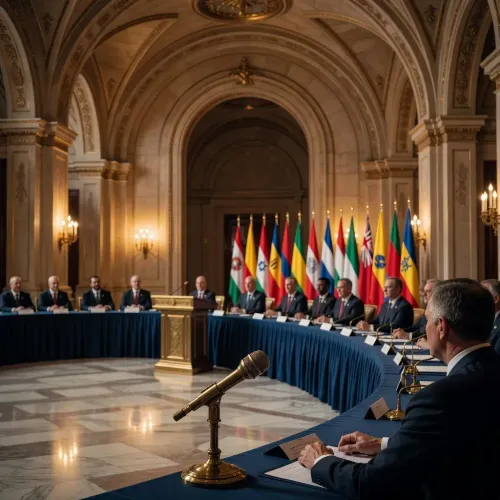
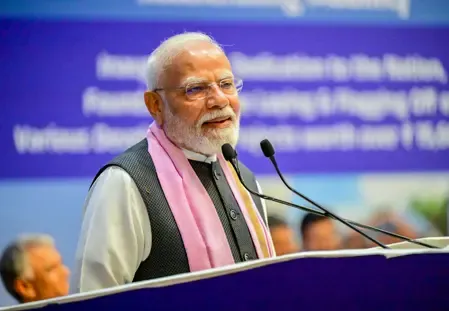
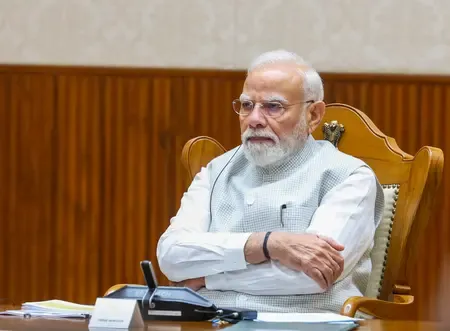
A new chapter in India's civilisational diplomacy opened on Friday, 20 November 2026, as Prime Minister Narendra Modi inaugurated the Shanghai Cooperation Organisation's first-ever Civilisational Dialogue Forum — and Bihar Chief Minister Samrat Choudhary marked the moment live on X, drawing national attention to the historic platform debut.
Choudhary's post, shared in real time, captured the inauguration as it unfolded, describing Modi as 'yashasvi Pradhan Mantri' — 'the glorious Prime Minister' — and flagging the event's full title: SCO Ka Pratham Sabhyatagat Samvad Manch, or the first SCO Civilisational Dialogue Forum. The phrasing is significant: 'civilisational dialogue' is not routine SCO vocabulary, which has traditionally centred on security and trade.
What the SCO's First Civilisational Forum Signals
The Shanghai Cooperation Organisation, founded in 2001 and anchored by China and Russia, has long been seen primarily as a Eurasian security architecture. India joined as a full member in 2017 at the Astana summit, and since then has worked steadily to widen the grouping's agenda beyond counter-terrorism and economic connectivity. The launch of a dedicated civilisational dialogue track — a first in the SCO's history — reflects that push.
India has form here. At the 2023 SCO Summit, hosted in India, Modi anchored the agenda around 'Vasudhaiva Kutumbakam' — the Sanskrit principle that the world is one family — pushing people-to-people contacts and cultural ties alongside the bloc's harder security agenda. A permanent civilisational dialogue forum would institutionalise that softer-power lane inside the SCO framework.
India's Multilateral Soft-Power Play
The forum fits a recognisable pattern in India's multilateral strategy: use major groupings — the SCO, BRICS, the G20 — not just for transactional outcomes but to project India's civilisational identity to Eurasian, Central Asian, and Global South audiences simultaneously. Central Asia, in particular, shares deep historical and cultural threads with the Indian subcontinent, and New Delhi has worked to revive those connections as a counterweight to Beijing's dominant infrastructure narrative in the region.
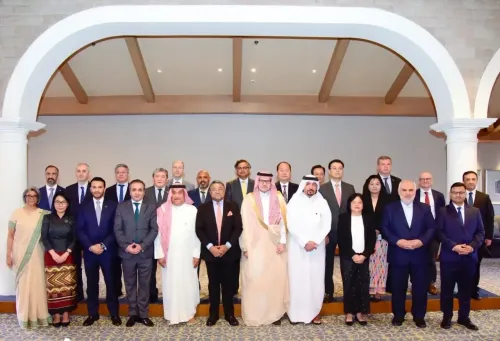
For the SCO's nine full member states — India, China, Russia, Pakistan, Kazakhstan, Kyrgyzstan, Tajikistan, Uzbekistan, and Iran — a civilisational dialogue track also offers a rare neutral ground at a moment when geopolitical fault lines run through the grouping itself.
Whether the forum produces binding mechanisms or remains a platform for symbolic exchange will shape its long-term relevance — but the act of inauguration itself marks a structural shift in what the SCO is willing to be.
Point of View
Shared scripts, Buddhist and Silk Road heritage — outweigh China's infrastructure chequebook. By inaugurating the forum personally, Modi signals this is state-level priority, not a bureaucratic side event. For the BJP and its Bihar leadership, amplifying the moment also projects a civilisational-nationalist narrative to domestic audiences ahead of an active political calendar. The real test will be whether the forum produces a standing secretariat or working groups — without structure, 'civilisational dialogue' risks remaining a resonant phrase rather than a durable diplomatic instrument.
NationPress
20 Nov 2026
Frequently Asked Questions
What is the SCO Civilisational Dialogue Forum inaugurated by PM Modi?
It is the first dedicated platform within the Shanghai Cooperation Organisation focused on cultural and civilisational exchange among member states, inaugurated by Prime Minister Narendra Modi on 20 November 2026.
When did India join the Shanghai Cooperation Organisation?
India became a full member of the SCO at the 2017 Astana summit , formalising its participation in the Eurasian security and economic grouping.
Why did Bihar CM Samrat Choudhary post about the SCO forum?
As a senior BJP leader and Bihar Chief Minister, Choudhary shared the inauguration live on X to highlight Prime Minister Modi's role in launching this historic diplomatic platform.
How has India shaped the SCO agenda on culture and civilisation?
India hosted the 2023 SCO Summit under the theme 'Vasudhaiva Kutumbakam', emphasising people-to-people contacts and cultural ties — a foundation for the new Civilisational Dialogue Forum.
Which countries are full members of the SCO?
The SCO's nine full members are India, China, Russia, Pakistan, Kazakhstan, Kyrgyzstan, Tajikistan, Uzbekistan, and Iran .