Rajnath Singh at SCO: India to host first Civilisational Dialogue Forum by year-end
Synopsis
At the SCO summit in Dushanbe, Defence Minister Rajnath Singh announced India will host the world's first SCO Civilisational Dialogue Forum by year-end — a cultural-diplomatic first for the bloc. Paired with a sharp connectivity red line aimed at sovereignty-violating projects and a zero-tolerance terrorism message, Singh's address signals India's intent to reshape the SCO's agenda from the inside.
Key Takeaways
Defence Minister Rajnath Singh announced at the SCO CHG meeting in Dushanbe on 20 October 2026 that India will host the first SCO Civilisational Dialogue Forum before year-end.
Singh invited all SCO member countries to participate in the forum.
He backed connectivity initiatives like the INSTC and Chabahar Port , but stated that projects not respecting sovereignty and territorial integrity 'will not be sustainable.' Singh called for zero tolerance on terrorism , warning against 'double standards' and demanding dismantling of the entire terrorist ecosystem — a pointed message within a bloc that includes Pakistan .
He highlighted India's Digital Public Infrastructure , its start-up ecosystem, and global initiatives including the International Solar Alliance and Global Biofuel Alliance .
The SCO approved making the Universal Centre in Tashkent and Anti-Drug Centre in Dushanbe permanent bodies of the organisation.
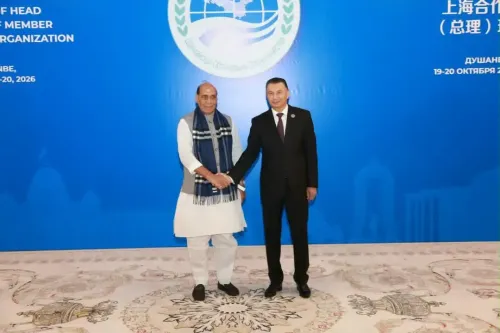
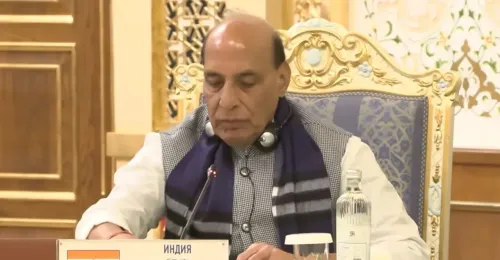
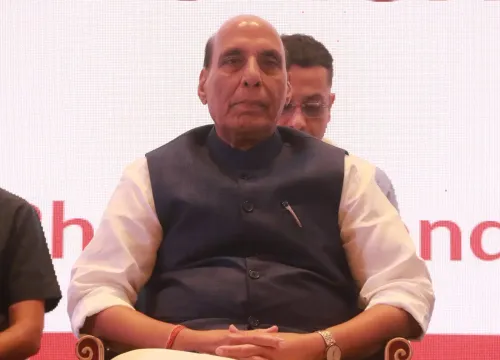
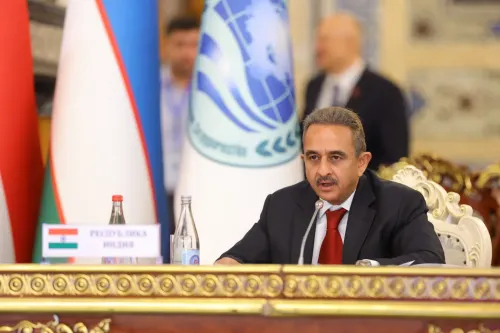
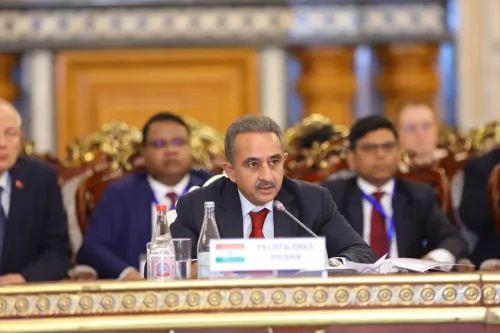
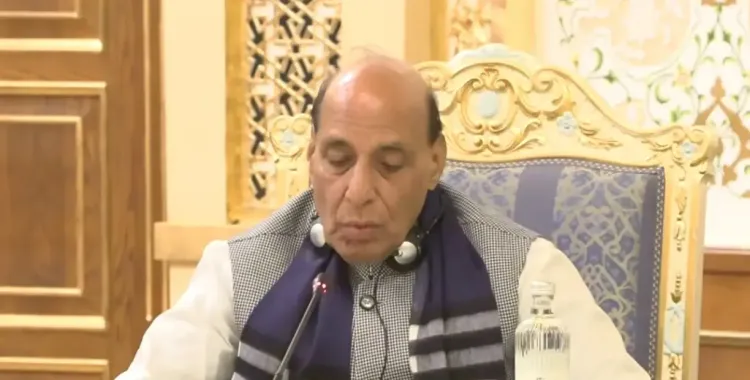
Defence Minister Rajnath Singh on Tuesday, 20 October announced that India will host the first-ever SCO Civilisational Dialogue Forum before the end of 2026, extending a formal invitation to all member states of the Shanghai Cooperation Organisation (SCO). Singh made the announcement during his address at the SCO Council of Heads of Government (CHG) meeting held in Dushanbe, Tajikistan.
The Civilisational Dialogue Announcement
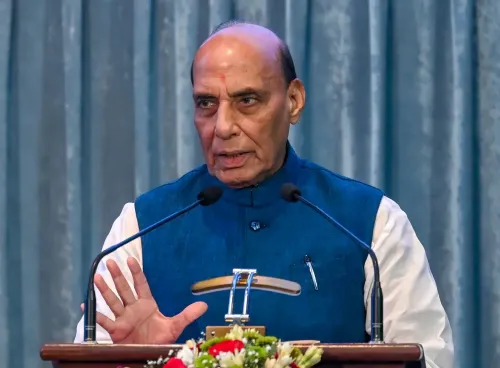
In what marks a significant cultural-diplomatic initiative, Singh declared: 'India, at the end of this year, will host the first SCO Civilisational Dialogue Forum. We invite all SCO member countries to participate in it.' The forum is intended to deepen civilisational and cultural ties among the bloc's diverse member nations, going beyond the SCO's traditionally security- and trade-focused agenda.
Singh also welcomed the SCO's decision to make the Universal Centre in Tashkent and the Anti-Drug Centre in Dushanbe permanent bodies of the organisation, while noting that their effectiveness would depend on coordination speed and quality.
India's Connectivity Conditions
On the critical question of regional connectivity — a subject of ongoing tension given India's reservations over China-backed infrastructure projects — Singh articulated a clear red line. 'Connectivity is important for our shared prosperity,' he said, but added that it 'should be based on consultation and respect for the sovereignty and territorial integrity of each country involved with it.'
He specifically cited the International North-South Transport Corridor (INSTC) and Chabahar Port as connectivity models that could substantially link Central Asia to wider markets. Analysts widely read his caveat — that projects not respecting sovereignty principles 'will not be sustainable' — as an implicit reference to the China-Pakistan Economic Corridor (CPEC), which runs through Pakistan-administered Kashmir.
Counter-Terrorism: No Double Standards
Singh used the Dushanbe platform to deliver one of his sharpest articulations of India's counter-terrorism position. 'There can be no justification for terrorism. There can be no double standards in dealing with it, and there can be no place for those who finance, support, or provide safe haven to terrorists,' he said. He called for the 'entire ecosystem of terrorism' to be collectively and firmly eliminated — language directed broadly at SCO states, some of which have been accused of harbouring or tolerating militant networks.
This comes amid continued concerns about cross-border terrorism emanating from Pakistan, a fellow SCO member, making India's messaging at the bloc particularly pointed.
Technology, Women's Leadership and Global Initiatives
Singh highlighted India's Digital Public Infrastructure as a model for transforming public service delivery and boosting financial inclusion, and pointed to the country's start-up ecosystem as evidence of scalable innovation. He stressed that cooperation within the SCO must remain 'people-centric', with success measured by opportunities created for youth, entrepreneurs, farmers, and small businesses.
He further underscored India's commitment to women's leadership in development, and cited global initiatives including the International Solar Alliance, the Coalition for Disaster Resilient Infrastructure, Mission LiFE, and the Global Biofuel Alliance as reflections of India's broader developmental vision for clean energy and sustainable growth.
What to Watch Next
With the SCO Civilisational Dialogue Forum expected before 31 December 2026, attention will now shift to the venue, format, and whether geopolitically sensitive members — particularly China and Pakistan — confirm participation. Singh's dual emphasis on sovereignty-based connectivity and zero-tolerance on terrorism signals that India intends to use its hosting role to shape the SCO's cultural and normative agenda alongside its security one.
Point of View
But its consistent repetition at multilateral forums reflects India's long game: delegitimise CPEC without naming it. The terrorism passage is the most pointed, given Pakistan's co-membership — and the question of whether SCO states will translate Singh's words into collective action remains as unanswered today as it has been for years.
NationPress
20 Oct 2026
Frequently Asked Questions
What is the SCO Civilisational Dialogue Forum announced by Rajnath Singh?
It is a first-of-its-kind forum under the Shanghai Cooperation Organisation that India will host before the end of 2026, aimed at deepening cultural and civilisational ties among SCO member nations. Defence Minister Rajnath Singh announced it at the SCO Council of Heads of Government meeting in Dushanbe on 20 October 2026.
Where and when was Rajnath Singh's SCO speech delivered?
Singh delivered his address at the SCO Council of Heads of Government (CHG) meeting in Dushanbe, Tajikistan, on Tuesday, 20 October 2026.
What did Rajnath Singh say about connectivity at the SCO summit?
Singh said India supports connectivity that links markets and facilitates trade, specifically backing the International North-South Transport Corridor and Chabahar Port. However, he stated that connectivity must respect the sovereignty and territorial integrity of all countries involved, adding that projects failing this test 'will not be sustainable.'
What was Rajnath Singh's message on terrorism at the Dushanbe SCO meeting?
Singh said terrorism 'can never be justified' and called for 'no double standards' in dealing with it, demanding collective elimination of the entire terrorist ecosystem including financiers, supporters, and those providing safe haven. The message was directed at the SCO membership, which includes Pakistan.
Which new permanent SCO bodies did India welcome at the Dushanbe summit?
Singh welcomed the decision to make the Universal Centre in Tashkent and the Anti-Drug Centre in Dushanbe permanent bodies of the SCO, while noting that their effectiveness would depend on coordination and the speed of task execution.