India reaffirms SCO, Central Asia ties at Dushanbe conference
Synopsis
India's MoS for External Affairs used the Dushanbe SCO conference not just to reaffirm ties but to preview a sharper cultural diplomacy play — the 1st SCO Civilization Dialogue Forum, coming to Kolkata next month. It is a signal that New Delhi is repositioning the SCO as a platform for civilisational outreach, not just security cooperation.
Key Takeaways
MoS Kirti Vardhan Singh attended the SCO Conference in Dushanbe, Tajikistan on 12 June , reaffirming India's SCO and Central Asia commitments.
India will host the 1st SCO Civilization Dialogue Forum in Kolkata next month, a proposal originally made by PM Modi in September at Tianjin.
The MEA described Central Asia as India's 'extended neighbourhood' and a key partner in regional connectivity, security, and prosperity.
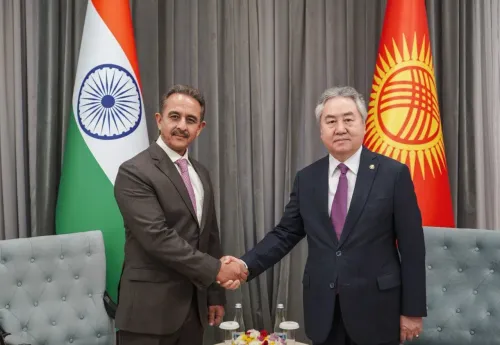
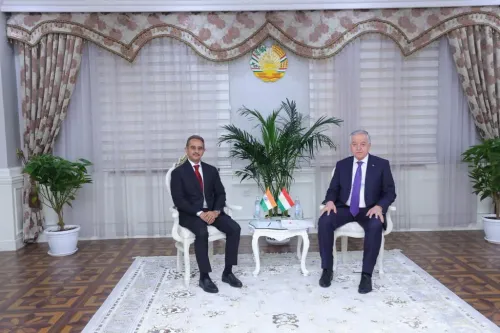
Singh held bilateral meetings with counterparts from SCO member states on the sidelines of the conference.
The SCO now has 10 member states following the additions of Iran (2023) and Belarus (2024), plus 2 observer states and 14 dialogue partners.
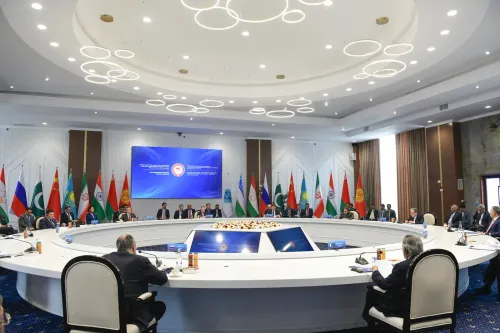
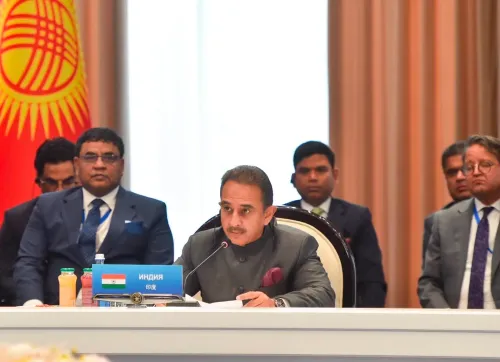
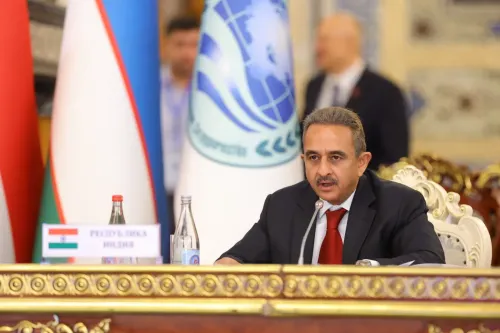
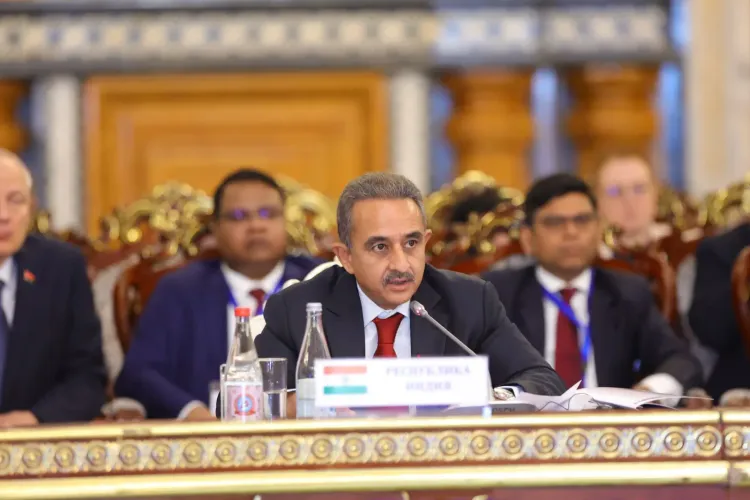
Minister of State for External Affairs Kirti Vardhan Singh on Friday, 12 June reaffirmed India's commitment to its partnership with Central Asia and the Shanghai Cooperation Organisation (SCO) at a major multilateral conference in Dushanbe, Tajikistan. Singh was attending the SCO Conference on 'Central Asia – The Core of SCO: A Space of Peace and Joint Development', hosted by Tajikistan, the current Chair of the SCO Heads of Government Council.
Key Developments at Dushanbe
Singh arrived in Dushanbe on Thursday for a two-day official visit. On the sidelines of the conference, he is scheduled to hold bilateral meetings with counterparts from SCO member states. In a post on X, Singh stated: 'Reaffirmed India's commitment to our enduring partnership with Central Asia and SCO. Highlighted India's priorities in the SCO, including youth engagement, cultural exchanges, strengthening regional connectivity and civilizational linkages, including India holding the 1st SCO Civilization Dialogue Forum, in Kolkata, next month.'
What India Said
The Ministry of External Affairs (MEA) underlined in a statement that 'the Conference theme aligns well with India's SCO priorities on youth, culture and civilization.' The MEA further noted that 'India recognises Central Asia as India's extended neighbourhood, and a key partner in promoting regional connectivity, security, and prosperity.'
The Civilizational Dialogue Initiative
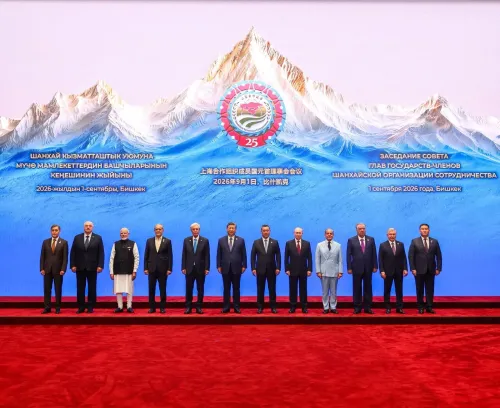
The upcoming 1st SCO Civilization Dialogue Forum in Kolkata traces its origins to a proposal made by Prime Minister Narendra Modi last September, during the 25th Meeting of the Council of Heads of State of the SCO held in Tianjin, China. Modi had called for the forum to foster greater people-to-people ties and cultural understanding among member states. The Dushanbe conference, in that sense, serves as a diplomatic runway for Kolkata.
SCO at a Glance
The SCO was established on 15 June 2001, with founding members China, Russia, Kazakhstan, Kyrgyzstan, Tajikistan, and Uzbekistan. India and Pakistan joined in 2017, followed by Iran in 2023 and Belarus in 2024, bringing the total membership to 10 states. The grouping also includes two observer states — Afghanistan and Mongolia — and 14 dialogue partners, spanning the Gulf, South Asia, and Southeast Asia.
What Comes Next
With the Kolkata SCO Civilization Dialogue Forum slated for next month, India's diplomatic calendar is set to intensify. The bilateral meetings Singh holds in Dushanbe are expected to lay groundwork for deeper engagement ahead of that forum, signalling that New Delhi views the SCO not merely as a security platform but as a vehicle for civilisational and cultural outreach.
Point of View
But the Kolkata Civilization Dialogue Forum signals something more deliberate — a bid to use the SCO's cultural architecture to deepen Central Asian ties at a time when China and Russia dominate the grouping's security and economic agenda. New Delhi's emphasis on youth, culture, and connectivity is a soft-power lane India can own within the SCO without directly contesting Beijing's infrastructure dominance. The real test will be whether the Kolkata forum generates sustained institutional momentum or remains a one-off showcase. India's SCO engagement has historically been cautious; this is a rare instance of it leading an initiative.
NationPress
20 Sept 2026
Frequently Asked Questions
Why did MoS Kirti Vardhan Singh visit Dushanbe?
Singh visited Dushanbe on 12 June for a two-day official trip to attend the SCO Conference on 'Central Asia – The Core of SCO: A Space of Peace and Joint Development', hosted by Tajikistan as the current Chair of the SCO Heads of Government Council. He also held bilateral meetings with counterparts from member states on the sidelines.
What is the SCO Civilization Dialogue Forum and when is it?
The SCO Civilization Dialogue Forum is a new initiative proposed by Prime Minister Narendra Modi at the 25th SCO Heads of State meeting in Tianjin last September, aimed at fostering people-to-people ties and cultural understanding. India will host its inaugural edition in Kolkata next month.
What are India's stated priorities within the SCO?
According to the Ministry of External Affairs, India's SCO priorities include youth engagement, cultural exchanges, strengthening regional connectivity, and advancing civilisational linkages. India views Central Asia as its extended neighbourhood and a key partner for regional security and prosperity.
How many members does the SCO have?
The SCO currently has 10 member states: China, Russia, Kazakhstan, Kyrgyzstan, Tajikistan, Uzbekistan, India, Pakistan, Iran, and Belarus. It also has two observer states — Afghanistan and Mongolia — and 14 dialogue partners across the Gulf, South Asia, and Southeast Asia.
What is Tajikistan's current role in the SCO?
Tajikistan holds the chairmanship of the SCO Heads of Government Council and hosted the Dushanbe conference on Central Asia's role within the grouping. Singh's visit was part of India's engagement with the Tajik chairmanship's agenda.