CM Samrat Choudhary Hears Bihar Citizens at Sahyog Shivir
Synopsis
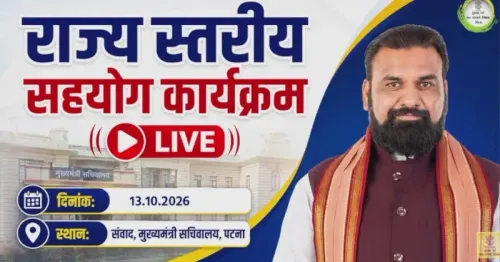
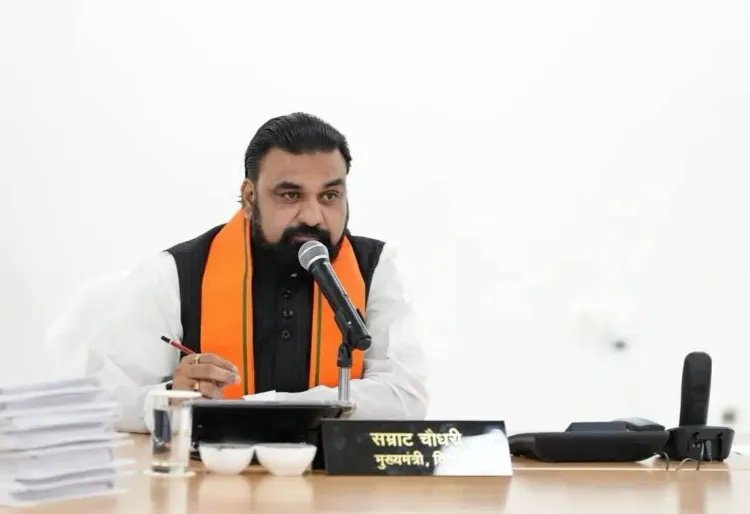
Bihar Chief Minister Samrat Choudhary chaired the monthly Sahyog Shivir at the CM Secretariat on 13 October 2026, hearing grievances from citizens across Bihar's districts and directing ministers and officials to resolve issues quickly and effectively.
Key Takeaways
Sahyog Shivir is held on the second Tuesday of every month at the Bihar Chief Minister Secretariat.
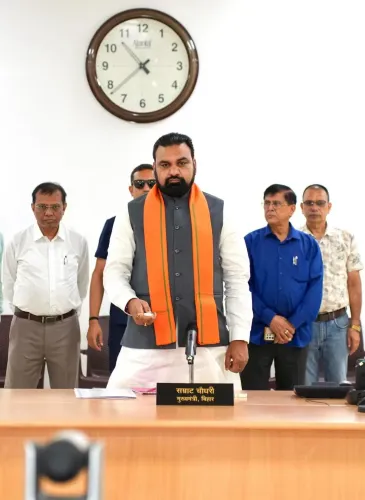
CM Samrat Choudhary personally presided over the 13 October 2026 session.
Citizens from multiple districts across Bihar brought grievances directly to the state level.
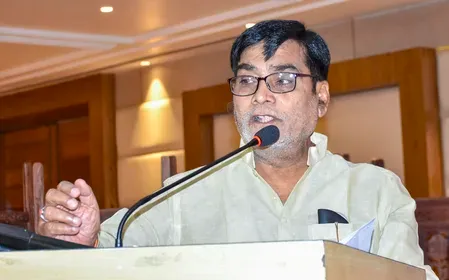
Ministers and officials of concerned departments were present and received directives for swift resolution.
The format is designed for on-the-spot accountability, not just complaint registration.
Follow-up on resolution rates remains the key measure of the camp's real impact.
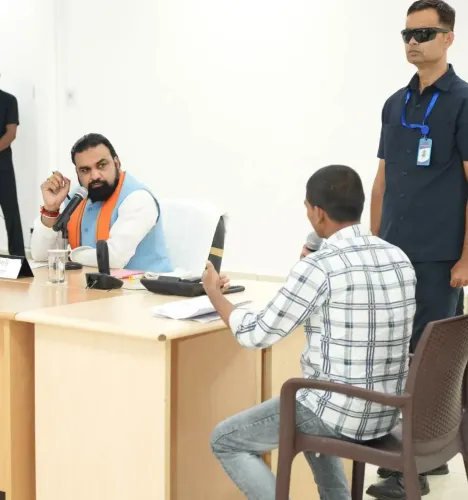
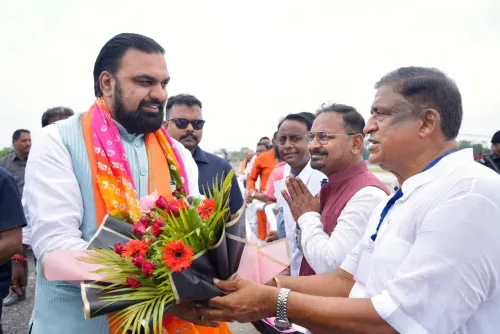
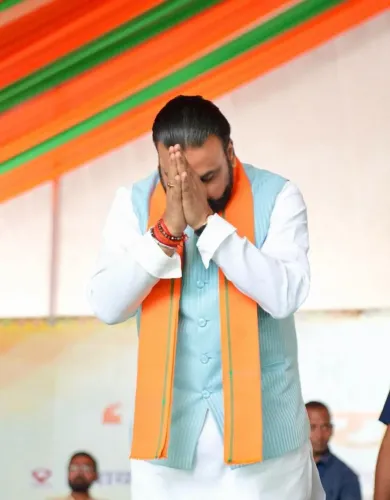
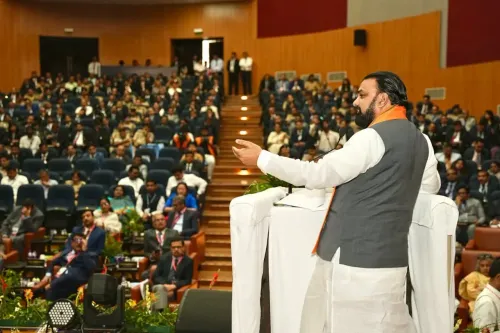
Every second Tuesday of the month, the gates of the Bihar Chief Minister Secretariat open to ordinary citizens — and on Tuesday, 13 October 2026, that promise was kept. Bihar Chief Minister Samrat Choudhary personally presided over the state-level 'Sahyog Shivir' public grievance camp, listening to complaints brought by residents from districts across the state and issuing direct instructions for swift resolution.
Posting on X, Chief Minister Choudhary described the session as 'Jan-sunwai aur karvai bhi!' — 'Public hearing and action too!' — signalling that the camp is designed not merely to collect grievances but to trigger departmental response on the spot. Ministers and senior officials of the relevant departments were present and received directives for 'quick and effective resolution' of each case raised.What the Sahyog Shivir actually does
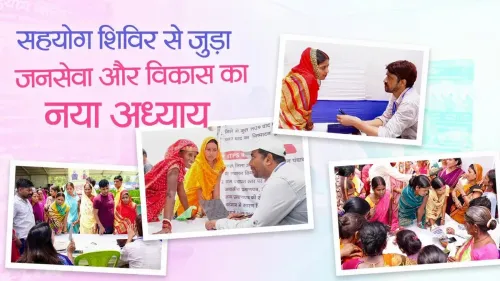
The Sahyog Shivir is a recurring, state-level grievance redressal mechanism anchored at the Chief Minister's Secretariat. Held on the second Tuesday of every month, it brings citizens from Bihar's many districts directly into the administrative nerve centre — bypassing the often slow chain of block and district offices. The format is designed to compress the distance between a villager's complaint and the minister or official who can actually act on it.
Public grievance camps of this kind are a well-established governance tool across Indian states, but their effectiveness turns almost entirely on follow-through: whether the instructions issued on the day translate into verified outcomes on the ground. Bihar has maintained outreach formats like this across administrations, reflecting a long-standing administrative emphasis on visible responsiveness in a state with a large and geographically dispersed population.
CM Choudhary's governance pitch in action
Samrat Choudhary, a senior BJP leader who heads Bihar's government, has positioned direct public contact as a cornerstone of his administrative identity. The Sahyog Shivir gives that positioning a monthly, institutionalised form — one with ministers physically present, not just officials. The optics and the mechanics both matter: when a citizen watches a minister receive a written directive in the same room where the complaint was raised, the accountability loop feels tangible rather than bureaucratic.
The watch item, as always, is what happens after the cameras leave — the resolution rates, the pending cases, the departments that respond and those that don't. Those numbers will tell the fuller story of whether the camp is a pipeline or a photo opportunity.
Point of View
Chief Minister Choudhary keeps the BJP's governance narrative grounded in visible, citizen-facing action. In Bihar — a state where administrative distance between citizens and the state has historically been a political liability — monthly camps like this serve as both a corrective mechanism and a communication tool. The real test of such formats is always in the data that follows: resolution timelines, departmental compliance rates, and repeat complainants. If those numbers hold up, the Shivir is a governance asset; if they don't, it risks becoming a well-lit ritual.
NationPress
13 Oct 2026
Frequently Asked Questions
What is the Sahyog Shivir in Bihar?
The Sahyog Shivir is a monthly state-level public grievance camp held at the Bihar Chief Minister Secretariat on the second Tuesday of every month, where citizens from across the state can raise complaints directly with senior ministers and officials.
When is the Bihar Sahyog Shivir held?
It is held on the second Tuesday of every month at the Chief Minister Secretariat in Patna.
What happened at the Sahyog Shivir on 13 October 2026?
Bihar Chief Minister Samrat Choudhary presided over the camp, listened to grievances from citizens of various districts, and issued directives to ministers and departmental officials for quick and effective resolution.
Who attends the Bihar Sahyog Shivir?
The Chief Minister chairs the session, ministers and senior officials of relevant departments are present, and citizens from Bihar's districts attend to register their complaints.
How effective are public grievance camps like Sahyog Shivir in Bihar?
Their effectiveness depends on post-camp follow-through — specifically, whether directives issued during the session lead to verified resolution of complaints by the concerned departments.