CM Samrat Choudhary Opens Pitripaksh Mela 2026 in Gaya
Synopsis
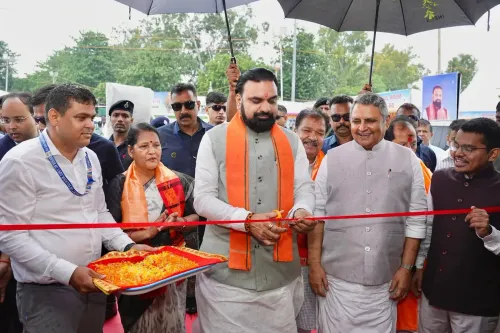
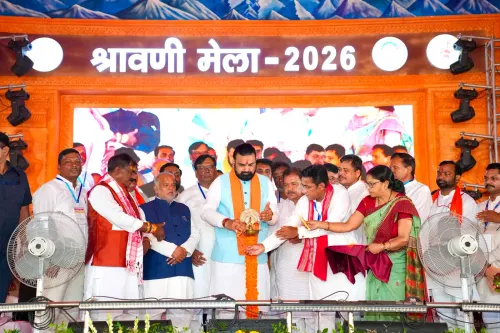
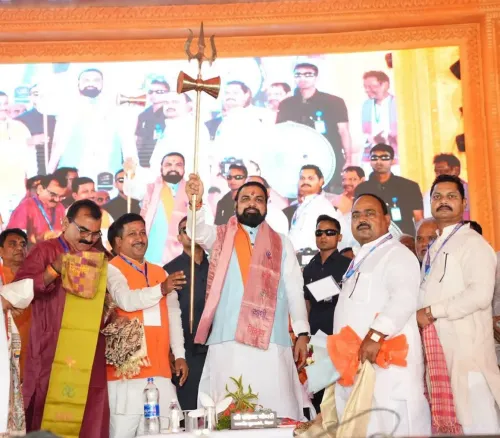
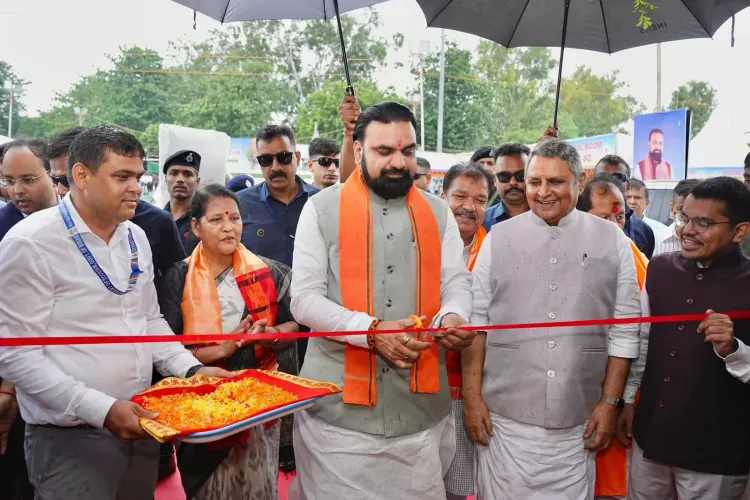
Bihar Chief Minister Samrat Choudhary inaugurated Pitripaksh Mela 2026 at Mokshdham Gayaji on September 25, reviewed pilgrim facilities, and addressed a large crowd, pledging that welcoming devotees from India and abroad remains the state government's top priority.
Key Takeaways
Bihar CM Samrat Choudhary inaugurated Pitripaksh Mela 2026 at Mokshdham Gayaji on September 25, 2026 .
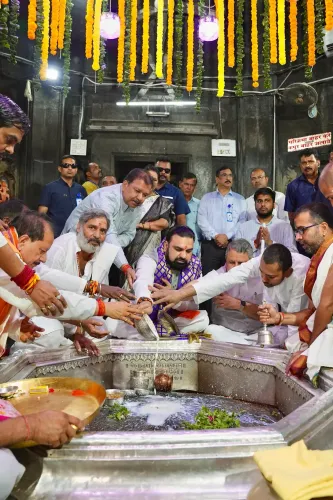
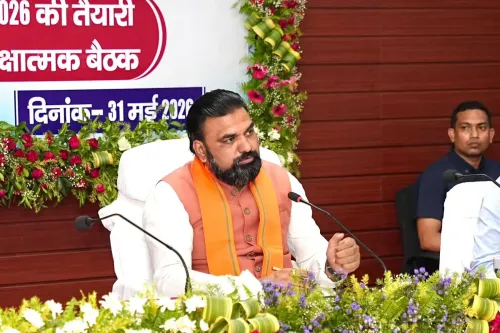
He personally inspected facilities and arrangements made for pilgrims at the sacred site.
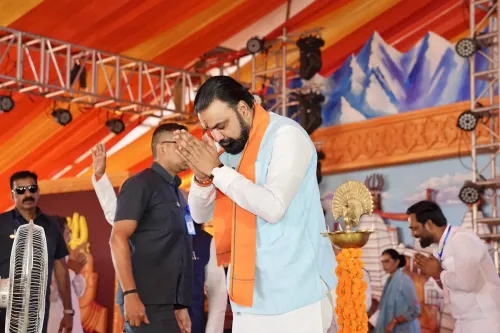
Choudhary addressed a large public gathering at the venue during the inauguration.
The government cited 'Atithi Devo Bhava' as the guiding spirit for welcoming domestic and international devotees.
Gaya is the foremost Hindu site for pind daan rituals during the Pitru Paksha fortnight, drawing pilgrims from across India and the global diaspora.
CM-level oversight of Pitru Paksha arrangements in Gaya is a long-standing practice of Bihar governments.
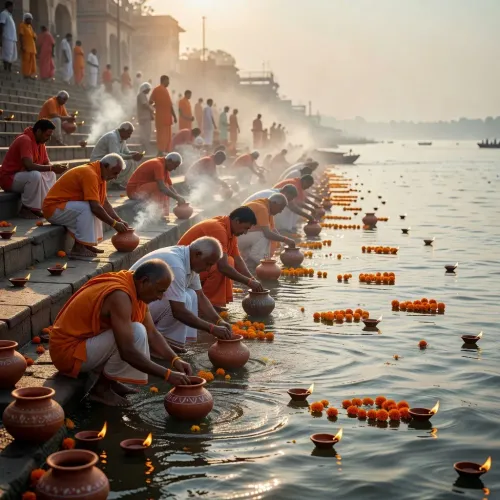
At the sacred banks of Mokshdham Gayaji, tens of thousands of pilgrims arrived on Friday, September 25, 2026, as Bihar Chief Minister Samrat Choudhary inaugurated Pitripaksh Mela 2026 — the annual fortnight of ancestral rites that draws devotees from across India and the world to one of Hinduism's holiest sites.
Choudhary personally reviewed the facilities arranged for pilgrims and addressed a large gathering at the venue. Invoking the ancient Sanskrit principle 'Atithi Devo Bhava' — 'the guest is God' — he underscored the state government's commitment to ensuring a comfortable and spiritually fulfilling experience for every visitor.
Why Gaya Commands a Nation's Pilgrimage
Gaya, a city in southern Bihar, holds a singular place in Hindu tradition as the foremost site for pind daan — the ritual offering made to liberate the souls of one's ancestors. Performing this rite during the Pitru Paksha fortnight is considered especially auspicious, drawing pilgrims not only from every corner of India but also from the Hindu diaspora in Southeast Asia, Mauritius, and beyond. The concentration of devotees during these fifteen days transforms Gaya into one of the country's most densely attended religious gatherings of the year.
State Government's Role in Managing Sacred Logistics
Bihar governments have made CM-level oversight of Gaya's Pitru Paksha arrangements a near-institutional practice. The logic is practical as much as it is ceremonial: the sheer volume of incoming pilgrims — arriving by train, road, and air — demands coordinated crowd management, sanitation, medical facilities, and accommodation that the local administration alone cannot easily scale. A Chief Minister's visit signals political priority and activates inter-departmental coordination on the ground.
Choudhary's inspection visit follows this established pattern while reinforcing the BJP-led state government's positioning at the intersection of religious heritage and governance. The emphasis on 'Atithi Devo Bhava' frames the administration's role not merely as logistics management but as a duty of honour owed to every devotee who makes the journey.
What Pilgrims and Officials Are Watching
The scale of this year's turnout and any on-ground improvements to facilities — ghats, rest shelters, digital queue systems, or sanitation infrastructure — will be the real measure of the state's preparation. Official reports on pilgrim footfall at the close of the Pitru Paksha fortnight will offer the clearest picture of whether the government's hospitality pledge translated into experience on the ground.
For now, the mela is open, the Chief Minister has set the tone, and lakhs of families carrying the weight of ancestral memory are making their way to the banks of the Falgu River. Bihar's oldest obligation to its pilgrims is, once again, in motion.
Point of View
A sector the Centre has actively promoted through schemes like PRASHAD. With assembly politics never far from view in Bihar, the optics of a Chief Minister personally overseeing arrangements for lakhs of ancestral-rite pilgrims carries unmistakable electoral warmth.
NationPress
25 Sept 2026
Frequently Asked Questions
What is Pitripaksh Mela in Gaya?
Pitripaksh Mela is an annual fair held in Gaya, Bihar during the Hindu fortnight of Pitru Paksha, when devotees perform pind daan — ritual offerings to liberate the souls of their ancestors. Gaya is considered the holiest site for this rite and draws lakhs of pilgrims from India and abroad every year.
Who inaugurated Pitripaksh Mela 2026?
Bihar Chief Minister Samrat Choudhary inaugurated Pitripaksh Mela 2026 at Mokshdham Gayaji on September 25, 2026 , and also reviewed facilities and addressed a large gathering of pilgrims.
When is Pitru Paksha 2026?
Pitru Paksha is a fifteen-day lunar fortnight observed annually in the Hindu calendar for ancestral rites. The 2026 edition began with the inauguration of the mela at Gaya on or around September 25, 2026 .
Why is Gaya important for Pitru Paksha?
Gaya in Bihar is regarded as the most sacred site in Hindu tradition for performing pind daan — the ritual that is believed to grant liberation to one's ancestors. Performing this rite at Gaya during Pitru Paksha is considered especially meritorious, which is why it draws some of the largest pilgrim gatherings in India.
What arrangements did the Bihar government make for Pitripaksh Mela 2026?
Bihar CM Samrat Choudhary personally inspected facilities at Mokshdham Gayaji to ensure pilgrims receive proper amenities. The government has stated that welcoming domestic and international devotees with the spirit of 'Atithi Devo Bhava' — treating guests as God — is its top priority for the mela.