CM Samrat Choudhary Chairs Shravani Mela 2026 Review in Bhagalpur
Synopsis
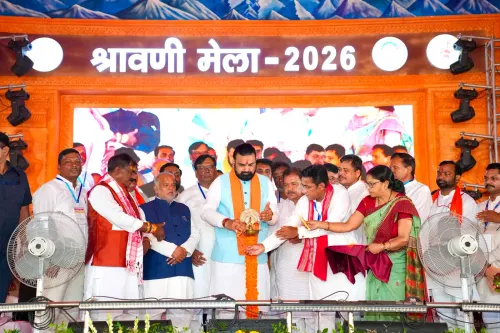
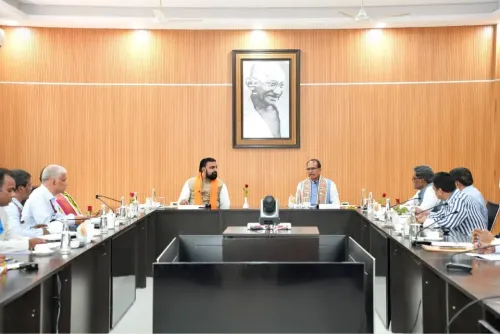
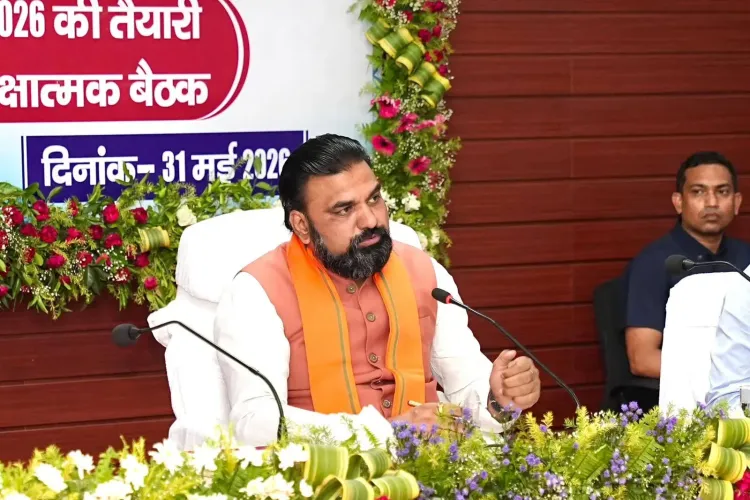
Bihar Chief Minister Samrat Choudhary chaired a review meeting at Bhagalpur Collectorate on 31 May 2026 to assess preparations for the world-famous Shravani Mela 2026 and other district development schemes, signalling the formal start of state-level planning for one of Bihar's largest annual pilgrimages.
Key Takeaways
Chief Minister Samrat Choudhary personally chaired the review meeting on 31 May 2026 .
The meeting was held at Samiksha Bhawan , Bhagalpur Collectorate complex.
The agenda covered preparations for the world-famous Shravani Mela 2026 and other development schemes.
Bhagalpur is a key administrative and logistical hub for the annual Shravani pilgrimage corridor.
The review signals that state-level planning for the Shravan 2026 mela season is formally underway.
Follow-up action plans across departments — including Public Works, Health, and Police — are expected in the coming weeks.
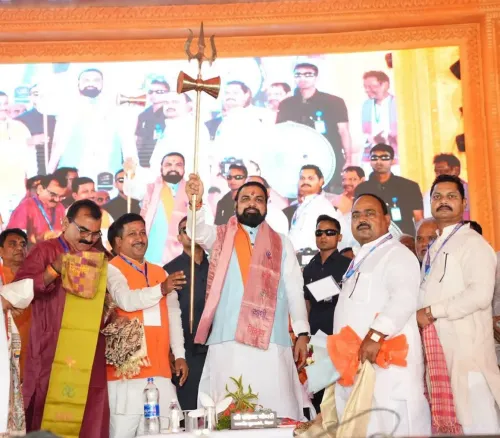
The Chief Minister's Office of Bihar announced on Sunday, 31 May 2026 that Chief Minister Samrat Choudhary chaired a high-level review meeting at Samiksha Bhawan within the Bhagalpur Collectorate complex to assess preparations for the world-famous Shravani Mela 2026 and other ongoing development schemes in the district.
Context
The post, shared from the official Chief Minister's Office account, states: 'Mananiya Mukhyamantri Shri Samrat Choudhary ji ki adhyakshata mein aaj Bhagalpur Samaharnalay parisar sthit Samiksha Bhawan mein vishwa prasiddh Shravani Mela-2026 ki taiyari evam anya vikas yojanaon ki samikshatatmak baithak hui' — ('Under the chairmanship of the Honourable Chief Minister Shri Samrat Choudhary, a review meeting was held today at Samiksha Bhawan in the Bhagalpur Collectorate complex regarding preparations for the world-famous Shravani Mela 2026 and other development schemes.')
The meeting signals that state-level planning for the 2026 Shravani Mela season is now formally underway, with the Chief Minister personally overseeing the process from Bhagalpur, the district most closely associated with the annual pilgrimage.
Policy Backdrop
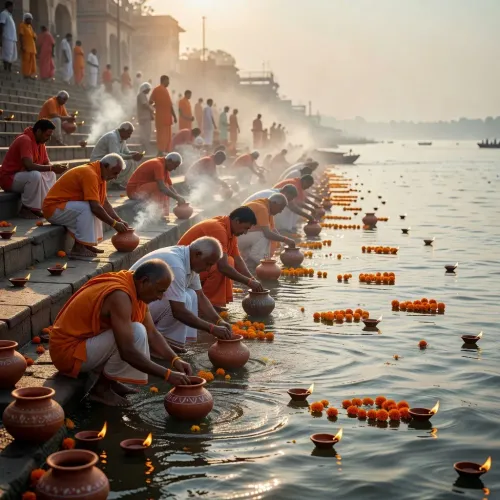
The Shravani Mela is one of Bihar's largest annual religious gatherings, drawing lakhs of kanwariyas (devotees) who undertake a sacred journey during the Hindu month of Shravan. The fair is centred around the Baidyanath Dham pilgrimage corridor, with Bhagalpur serving as a critical logistical and administrative hub along the traditional route.
Bihar state administrations have a well-established practice of convening high-level review meetings months ahead of the mela season to coordinate security deployment, civic infrastructure, crowd management, and temporary facilities for pilgrims. These reviews frequently double as platforms to accelerate district-level development works that can be completed before the pilgrimage season begins, linking cultural events with broader governance priorities.
Stakeholders and Impact
The primary stakeholders are the lakhs of pilgrims who travel through Bhagalpur each year during the Shravan month, along with local traders, transport operators, and hospitality providers whose seasonal livelihoods depend on smooth mela operations. Adequate preparation directly affects the safety, convenience, and religious experience of devotees.
For the district administration and elected representatives, a well-managed Shravani Mela also carries significant political and reputational weight, making CM-level oversight a recurring feature of Bihar's governance calendar. The review meeting's scope — explicitly including 'other development schemes' — suggests that infrastructure investments in Bhagalpur are being aligned with the mela timeline.
What's Next
Follow-up announcements are expected on specific infrastructure works, pilgrim amenities, security arrangements, and civic upgrades sanctioned or reviewed during the meeting. The state government is likely to issue detailed action plans for departments including Public Works, Health, Police, and Urban Development ahead of the Shravan 2026 season. The pace at which these preparatory decisions are translated into ground-level action will determine the mela's overall readiness and the state's capacity to handle the anticipated footfall.
Point of View
The government is signalling an intent to use the pilgrimage deadline as a forcing function for infrastructure delivery. This approach mirrors a wider trend among state governments of anchoring civic investment timelines to major religious or cultural events, where public scrutiny is high and outcomes are visible. The meeting's outcome, and how swiftly follow-up orders translate into ground-level work, will be a test of the administration's execution capacity ahead of a high-footfall season.
NationPress
23 Sept 2026
Frequently Asked Questions
What is the Shravani Mela in Bihar?
The Shravani Mela is one of Bihar's largest annual religious fairs held during the Hindu month of Shravan, drawing lakhs of kanwariyas (devotees) along a pilgrimage corridor centred around Baidyanath Dham, with Bhagalpur serving as a key hub.
Why did CM Samrat Choudhary visit Bhagalpur on 31 May 2026?
CM Samrat Choudhary chaired a review meeting at Samiksha Bhawan in the Bhagalpur Collectorate complex to assess preparations for the Shravani Mela 2026 and review other ongoing development schemes in the district.
Where is Samiksha Bhawan in Bhagalpur?
Samiksha Bhawan is located within the Bhagalpur Collectorate (Samaharnalay) complex and serves as a venue for administrative and government review meetings in the district.
When is Shravani Mela 2026 expected to take place?
The Shravani Mela is held annually during the Hindu month of Shravan, which typically falls between July and August. The 2026 edition is expected to follow the same seasonal calendar.
What development schemes were reviewed alongside Shravani Mela preparations?
The Chief Minister's Office stated that the meeting covered both Shravani Mela 2026 preparations and other district development schemes in Bhagalpur, though specific project details have not yet been publicly announced.