CM Samrat Choudhary Reviews Diwali-Chhath Security Arrangements
Synopsis
Bihar Chief Minister Samrat Choudhary chaired a video-conferencing review at Patna's Lok Sevak Avas on November 6, directing district officers on security, sanitation and law-and-order arrangements for Diwali, Kali Puja and Chhath Mahapuja — declaring it the government's 'foremost priority'.
Key Takeaways
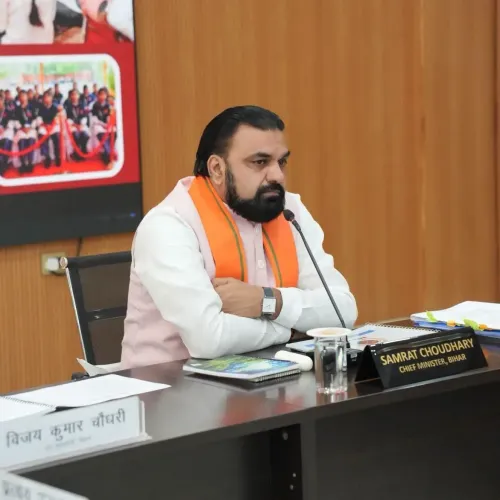
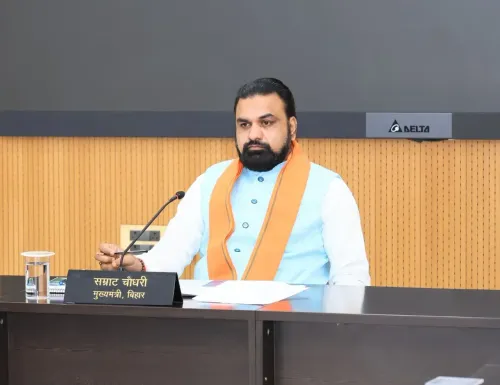
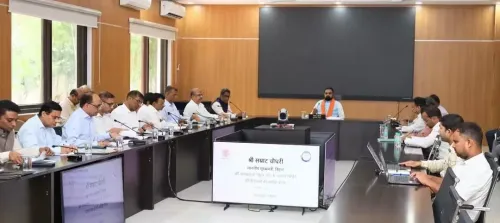
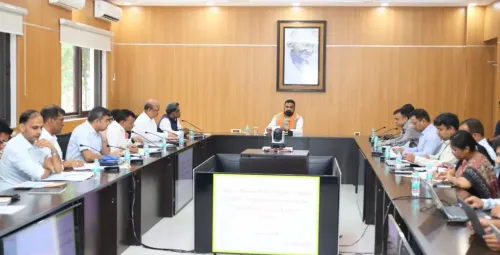
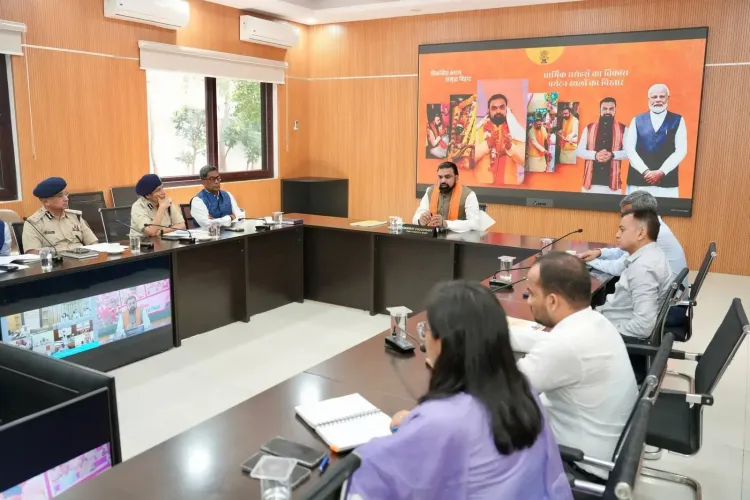
Bihar CM Samrat Choudhary held a video-conferencing review meeting at the 'Sankalp' auditorium , Lok Sevak Avas, Patna on November 6, 2026 .
The government declared security, cleanliness and law and order its foremost priority during Diwali, Kali Puja and Chhath Mahapuja .
Directives were issued to officers across Bihar's districts via real-time video conferencing.
Chhath Puja draws millions to riverbanks and water bodies, making ghat safety and crowd management a critical administrative challenge.
Bihar's administration has a long-standing practice of pre-festival review meetings to coordinate security and sanitation at scale.
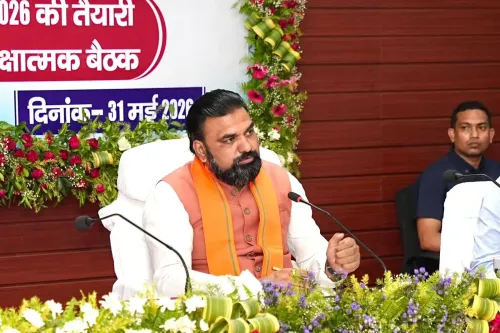
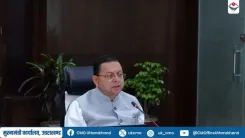
With Bihar's biggest festival season — Diwali, Kali Puja, and the river-side grandeur of Chhath Mahapuja — converging in rapid succession, Bihar Chief Minister Samrat Choudhary chaired a video-conferencing review meeting at the 'Sankalp' sabhagar ('Sankalp' auditorium) in Lok Sevak Avas on Friday, November 6, issuing fresh directives to officers on security, sanitation, and law and order.
Posting on X, the Chief Minister stated: 'Ensuring robust arrangements for security, cleanliness and law and order during Diwali, Kali Puja and Chhath Mahapuja is the government's foremost priority.' The virtual review allowed him to reach district-level officers across the state simultaneously — a format Bihar's administration has increasingly relied upon for real-time festival-eve coordination.
Why Chhath Sets the Highest Bar
Chhath Puja is not merely a religious occasion in Bihar — it is the state's defining cultural moment, drawing millions of devotees to riverbanks, ponds, and water bodies for pre-dawn and dusk arghya (ritual sun-worship) over four continuous days. The sheer scale of open-air, water-side gatherings makes crowd management, ghat safety, and sanitation a logistical undertaking unlike any other state festival. Diwali adds its own layer: fireworks, public movement, and fire-safety demands that test urban policing and civic administration alike.
Directives from 'Sankalp' to Every District
The meeting at Lok Sevak Avas — the official residence complex in Patna — placed the Chief Minister at the centre of a state-wide command chain. By using video conferencing, directives could cascade from the top of the administration to field officers without delay. This model of pre-festival review is a well-established Bihar governance practice, though the specific instructions issued during Friday's session have not yet been detailed publicly.
The convergence of three major festivals in a short window amplifies the administrative load: police deployment, traffic management, sanitation at ghats, and emergency response all require coordination across Bihar's 38 districts. For the government, the cost of a single preventable incident — a crowd stampede, a fire, a law-and-order breakdown — during peak festival days is both human and political.
The real test, now, is not the meeting room but the riverbank — whether these directives translate to orderly, safe ghats when crores of devotees wade in at dawn.
Point of View
But the optics carry weight in Bihar, where Chhath Puja commands unmatched popular devotion and any administrative failure at the ghats lands directly on the chief minister's desk. By personally chairing a state-wide video conference and going public with it, Samrat Choudhary signals both administrative seriousness and political ownership of the festival season. For the BJP in Bihar, strong visible governance during Chhath — the state's most emotionally resonant festival — has long served as a credibility anchor ahead of any electoral cycle. The measure of success, however, will be crowd figures and incident reports from ghat districts, not the meeting itself.
NationPress
6 Nov 2026
Frequently Asked Questions
What did Bihar CM Samrat Choudhary announce for Chhath Puja 2026?
Chief Minister Samrat Choudhary chaired a video-conferencing review meeting on November 6, 2026, issuing directives to district officers to ensure robust security, sanitation and law-and-order arrangements during Diwali, Kali Puja and Chhath Mahapuja, calling it the government's foremost priority.
Where was Bihar's Diwali-Chhath security review meeting held?
The review meeting was held at the 'Sankalp' auditorium inside Lok Sevak Avas, the official residence complex in Patna, via video conferencing.
Why does Chhath Puja require special administrative arrangements in Bihar?
Chhath Puja draws millions of devotees to riverbanks and open water bodies for rituals over four days, making crowd management, ghat safety and sanitation a large-scale logistical challenge for the state administration.
What is Samrat Choudhary's role in Bihar?
Samrat Choudhary is the Chief Minister of Bihar and a senior BJP leader, responsible for overall state administration including law and order, security and governance.
How does Bihar's government coordinate festival security across districts?
Bihar's administration uses video conferencing from state headquarters to issue real-time directives to district and field officers ahead of major festivals, allowing the Chief Minister to coordinate across all 38 districts simultaneously.