CM Uttarakhand: Free LMV Driving Training for Youth in Pauri Garhwal
Synopsis
The Uttarakhand CMO announced free Light Motor Vehicle driving training for youth in Pauri Garhwal on 6 November 2026, aiming to generate local self-employment in a district historically marked by high youth out-migration.
Key Takeaways
The Chief Minister's Office of Uttarakhand announced free LMV driving training for young men and women in Pauri Garhwal on 6 November 2026 .
The stated goal is linking trained youth to self-employment opportunities locally.
Pauri Garhwal is a hill district known for persistent youth out-migration due to limited local employment.
Driving skills are among the fastest-converting vocational qualifications, with direct entry into taxi, transport, and logistics sectors.
Follow-up support — such as vehicle loans or scheme linkages — will be key to whether the training translates into retained, employed youth in the district.
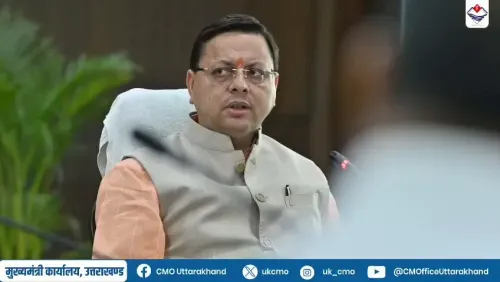
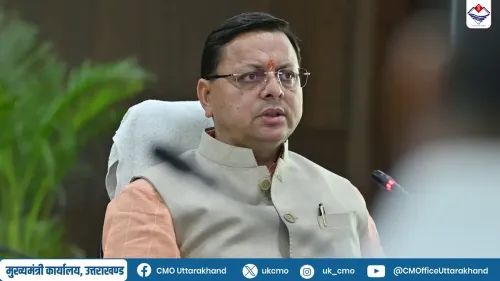
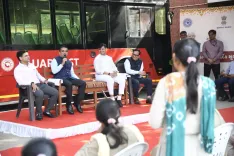
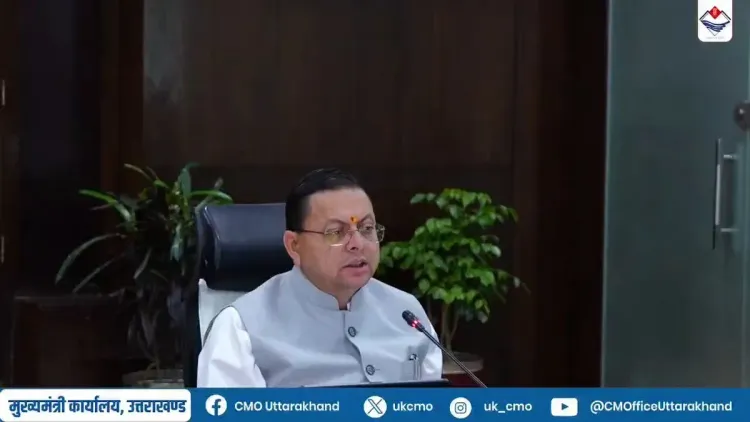
In a district long associated with youth out-migration, the government is trying something practical: hand young men and women a skill they can monetise fast. The Chief Minister's Office of Uttarakhand announced on Friday, 6 November 2026 that free Light Motor Vehicle (LMV) driving training has been provided to youth in Pauri Garhwal, with the explicit aim of linking them to self-employment opportunities.
The post, shared in Hindi, reads: 'पौड़ी गढ़वाल में स्वरोजगार से जोड़ने के लिए युवक-युवतियों को लाइट मोटर व्हीकल ड्राइविंग का निःशुल्क प्रशिक्षण दिया गया' — 'Free Light Motor Vehicle driving training has been provided to young men and women in Pauri Garhwal to connect them with self-employment.'
Why Pauri Garhwal, and Why Driving?
Pauri Garhwal is one of Uttarakhand's hill districts that has faced persistent youth out-migration for decades, with young people leaving for plains cities in search of work. Driving — particularly LMV — is among the fastest-converting vocational skills: it requires relatively short training, opens doors to taxi and goods-transport work, and demands minimal capital if backed by vehicle loans from state schemes.
The state government has previously run multiple skill and vocational training programmes across migration-prone districts, but driving training stands out for its direct employment pathway. A trained driver with an LMV licence can enter the gig economy, local taxi networks, or logistics in a matter of weeks.
The Self-Employment Push in Uttarakhand's Hills
Uttarakhand's challenge is structural: hilly terrain limits large-scale industry, and urban job centres are far away. State programmes targeting swavalamban (self-reliance) have ranged from agri-processing to handicrafts, but mobility-linked skills are increasingly central to district-level plans. Initiatives like this sit within a broader pattern of the state trying to give local youth a reason — and a means — to earn without leaving.
The critical question now is follow-through. Training is step one. Whether these newly licensed young drivers gain access to vehicle finance, are linked to taxi aggregators, or are routed into existing state self-employment schemes will determine whether this cohort stays in the hills or joins the outward flow anyway.
Point of View
But driving programmes carry unusually direct economic logic — a licence is a licence to earn, not just a certificate. The announcement signals the state's awareness that abstract 'skill development' must translate into tangible income for hill youth. The bigger test, however, is whether this initiative is coupled with vehicle-finance access or job-placement linkages; without that second step, training alone rarely reverses migration patterns. If Uttarakhand can close that loop, Pauri Garhwal could become a small but replicable model for skill-linked retention in India's mountain districts.
NationPress
6 Nov 2026
Frequently Asked Questions
What free training is being given to youth in Pauri Garhwal?
The Uttarakhand government is providing free Light Motor Vehicle (LMV) driving training to young men and women in Pauri Garhwal to connect them with self-employment opportunities.
Why is the government focusing on Pauri Garhwal for skill training?
Pauri Garhwal is a hill district in Uttarakhand that has historically seen high youth out-migration due to limited local employment, making it a priority area for livelihood and skill initiatives.
What jobs can youth get after LMV driving training in Uttarakhand?
A Light Motor Vehicle licence enables trained youth to work as taxi drivers, transport operators, or logistics workers — sectors accessible relatively quickly after completing the course.
Is this driving training programme free for all youth in Uttarakhand?
The announced training in Pauri Garhwal was specifically free of cost; whether it extends to other districts under a broader state scheme has not been confirmed in this announcement.
How does driving training help reduce youth migration from Uttarakhand's hills?
By providing a marketable, quick-converting skill locally, the state hopes to give hill youth a viable livelihood option so they do not need to migrate to plains cities for work.