CM Samrat Choudhary orders flood relief for Bihar farmers

Synopsis
Bihar Chief Minister Samrat Choudhary has ordered financial assistance of ₹18,000 per hectare — with a minimum of ₹2,200 per farmer — to help flood-affected farmers clear sand, silt, and debris from agricultural land before the rabi sowing season begins.
Key Takeaways
Bihar CM Samrat Choudhary directed flood relief specifically for clearing sand, silt, and debris from agricultural land on 26 October 2026 .
Eligible farmers will receive ₹18,000 per hectare for de-silting and land restoration work.
A guaranteed minimum of ₹2,200 per eligible farmer protects smallholders with less than one hectare of affected land.
The scheme aims to restore soil fertility and enable timely rabi crop sowing in flood-hit areas.
Bihar faces recurrent monsoon flooding from Himalayan rivers that deposit debris on farmland, a cycle successive governments have addressed with targeted rehabilitation packages.
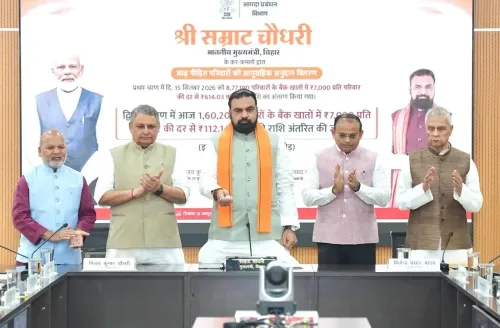
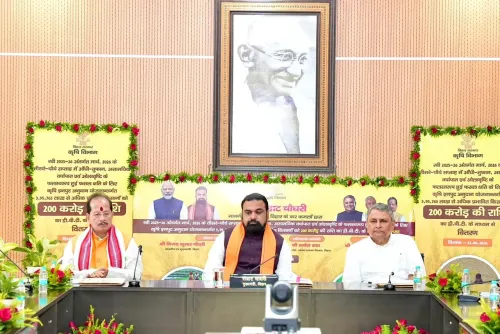
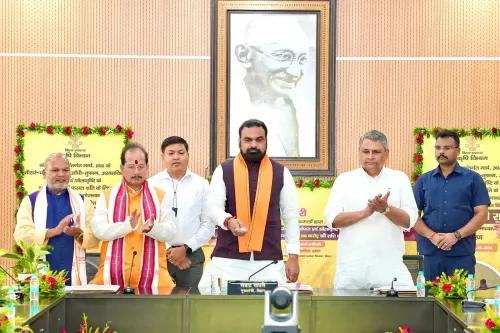
Flood-ravaged fields choked with sand and silt could rob Bihar's farmers of an entire rabi season — and Bihar Chief Minister Samrat Choudhary has moved to stop that from happening. On Monday, 26 October 2026, the Chief Minister directed that financial assistance be made available to flood-affected farmers specifically to clear agricultural land of sand, silt, and debris deposited by floodwaters.
Under the directive, farmers will receive ₹18,000 per hectare to fund the removal of flood-deposited material from their fields. Critically, even small landholders are protected: every eligible farmer is guaranteed a minimum assistance of ₹2,200, ensuring the relief is not skewed entirely toward those with larger holdings.
Why sand and silt are as damaging as the floodwater itself
Bihar sits in the Ganges basin and draws floodwaters from rivers descending the Himalayas every monsoon. When those rivers recede, they leave behind thick layers of coarse sand and fine silt that seal off the topsoil, block root penetration, and can render a plot sterile for seasons. Clearing that material manually — before the rabi sowing window opens — is labour-intensive and expensive, a cost most smallholders simply cannot absorb on their own.
Successive Bihar governments have responded to this recurring cycle with targeted agricultural rehabilitation packages, and the current order follows that pattern. What the Chief Minister's post emphasises, however, is a dual objective: restoring soil fertility in the medium term while giving farmers an immediate financial bridge to prepare their plots for the next planting cycle.
What the relief means at the farm gate
The ₹18,000-per-hectare rate is designed to cover the practical cost of mechanical or manual de-silting work. The ₹2,200 minimum floor is a deliberate safeguard — it recognises that even a marginal farmer who owns a fraction of a hectare incurs real expenditure to make a waterlogged plot usable again. Together, the two figures suggest a scheme calibrated to reach across landholding sizes rather than defaulting to a one-size formula that leaves smallholders behind.
With the rabi season's sowing calendar already ticking, the speed of disbursement in flood-hit districts will determine whether the relief actually translates into standing wheat, mustard, and pulses — or arrives too late to matter. That implementation piece is the one to watch.
Point of View
The scheme creates a cleaner incentive for farmers to actually restore their land rather than simply claim compensation. The ₹2,200 floor is the politically astute detail: it insulates the initiative against the familiar criticism that per-unit schemes ignore marginal farmers. With rabi sowing deadlines approaching, the real test of CM Choudhary's credibility on this issue will be district-level disbursement speed, not the announcement itself.
NationPress
26 Oct 2026
Frequently Asked Questions
How much flood relief will Bihar farmers get for clearing silt from fields?
Bihar farmers will receive ₹18,000 per hectare to clear sand, silt, and debris deposited by floodwaters, with a guaranteed minimum of ₹2,200 per eligible farmer regardless of landholding size.
What is the purpose of Bihar's de-silting relief scheme for farmers?
The scheme is designed to help flood-affected farmers remove sand and silt from agricultural land so they can restore soil fertility and complete rabi crop sowing before the planting window closes.
Who announced the flood relief for Bihar farmers in October 2026?
Bihar Chief Minister Samrat Choudhary directed the release of this assistance on 26 October 2026 through a post on X.
Why does Bihar face repeated flood damage to farmland every year?
Bihar lies in the Ganges basin and receives heavy floodwaters from Himalayan rivers every monsoon. When floods recede, they leave thick deposits of sand and silt that reduce soil fertility and require costly clearance before the land can be farmed again.
Will small farmers with less than one hectare get Bihar flood relief?
Yes. The directive includes a minimum assistance of ₹2,200 per eligible farmer, ensuring that smallholders who own less than one hectare still receive meaningful relief for de-silting costs.