Jharkhand CMO: 400+ cops compete in archery championship
Synopsis
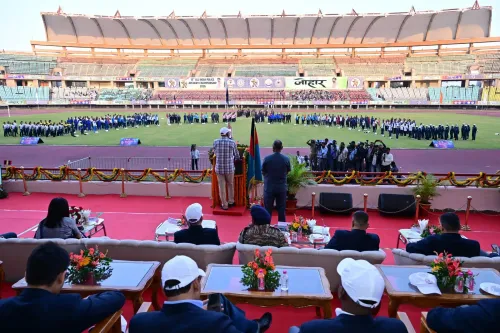
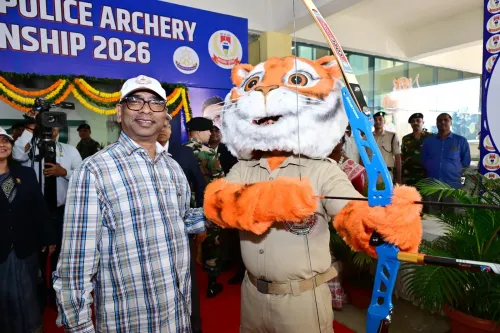
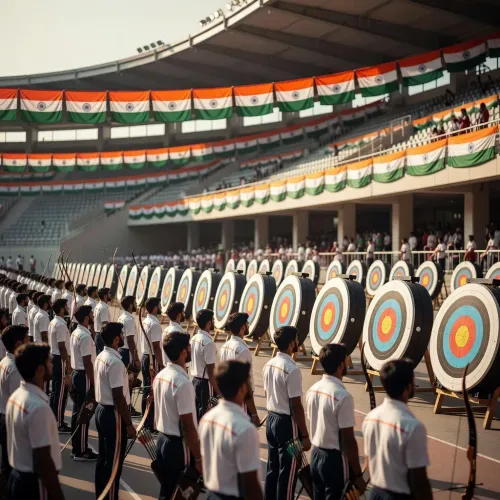
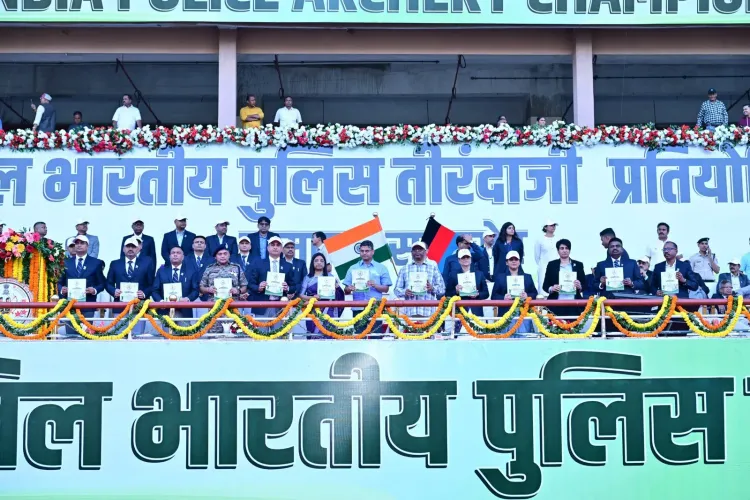
Over 400 athletes from 30 police and paramilitary teams across India competed in a national archery championship covering Recurve, Compound and Indian Round divisions, the Chief Minister's Office of Jharkhand announced on 26 October 2026.
Key Takeaways
400-plus athletes from across India's police and paramilitary forces participated in the archery championship.
A total of 30 teams representing various state police forces and central paramilitary units competed.
Competition spanned three divisions : Recurve, Compound, and Indian Round.
The event was flagged by the Chief Minister's Office of Jharkhand on 26 October 2026.
Participants were praised for discipline, sporting talent, and sportsmanship — values integral to uniformed service.
Official results and medal tallies are yet to be formally released.
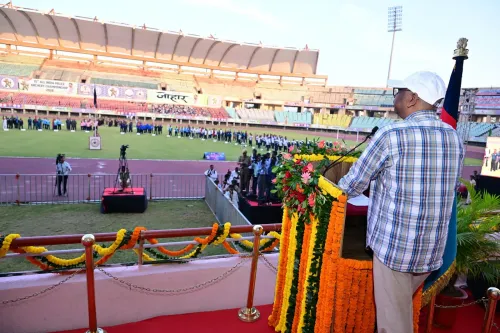
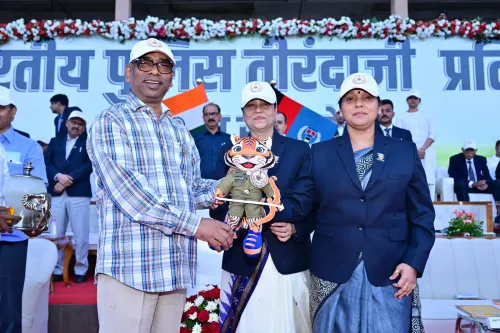
More than 400 athletes from police and paramilitary forces across India converged for a national-level archery championship, the Chief Minister's Office of Jharkhand announced on Monday, 26 October 2026 — a tournament that put discipline, precision, and the warrior's instinct for stillness on full display.
The competition drew 30 teams representing police forces and paramilitary units from states across the country. Competitors tested their skills across three distinct formats: the Recurve Division, the Compound Division, and the Indian Round Division — a breadth of disciplines that demanded both modern technical precision and a command of India's indigenous archery tradition.
Three formats, one message: uniformed forces can shoot
Each division carries its own character. The Recurve format mirrors Olympic archery, rewarding clean technique and consistency under pressure. The Compound division, with its mechanical cam system and tighter groupings, rewards analytical calm. The Indian Round — rooted in traditional practice — tests instinctive skill and cultural continuity. Together, the three categories offered every competitor a stage matched to their strengths.
The CMO's post noted that participants demonstrated 'अद्भुत खेल प्रतिभा, अनुशासन और उत्कृष्ट खेल भावना' — 'extraordinary sporting talent, discipline, and excellent sportsmanship' — qualities that blur neatly into the demands of uniformed service itself.
Why security forces compete — and why it matters
India's police and paramilitary organisations have long embedded sports into their institutional culture. National archery events of this kind serve multiple purposes simultaneously: they sharpen physical conditioning, reinforce unit cohesion, and surface talent that can represent India at higher levels of competition. Jharkhand, an eastern state with deep archery roots in its tribal communities, is a particularly resonant host for such a contest.
With official medal tallies and the announcement of the next edition still awaited, the tournament's legacy will partly depend on how the results are channelled — whether standout performers get pathways to state or national squads, or whether the competition remains a celebrated but self-contained calendar event for the forces.
Four hundred archers drew their bows. Now comes the question of what follows the applause.
Point of View
Hosting an archery event carries symbolic weight given the state's tribal communities' historic ties to the discipline. The CMO's public amplification of the event signals an intent to position the state as a natural home for archery on the national stage. Whether that symbolic capital translates into structured talent pipelines — from inter-force champion to state squad — will be the real measure of the tournament's impact.
NationPress
26 Oct 2026
Frequently Asked Questions
How many teams participated in the national police archery championship?
A total of 30 teams from police forces and paramilitary units across various Indian states participated in the championship.
What archery formats were contested at the event?
The championship featured three divisions: the Recurve Division , the Compound Division , and the Indian Round Division , covering both modern and traditional archery formats.
Which state hosted the archery tournament for security forces?
The event was associated with Jharkhand , whose Chief Minister's Office officially announced and highlighted the championship.
Why do Indian police and paramilitary forces hold sports competitions?
Such tournaments promote physical fitness, discipline, and esprit de corps within security forces, while also identifying talented athletes who can represent India at higher levels of competition.
How many players took part in the police archery championship?
More than 400 athletes from across India's police and paramilitary forces competed in the national archery championship.