Jharkhand CM Honours Top Police Trainees, Martyrs' Kin Included
Synopsis
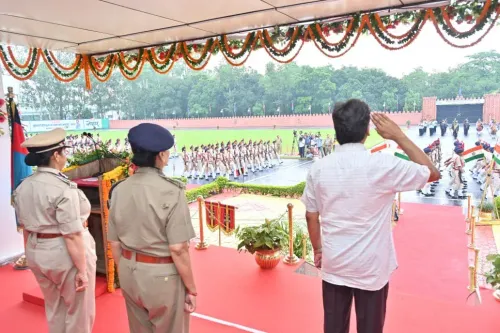
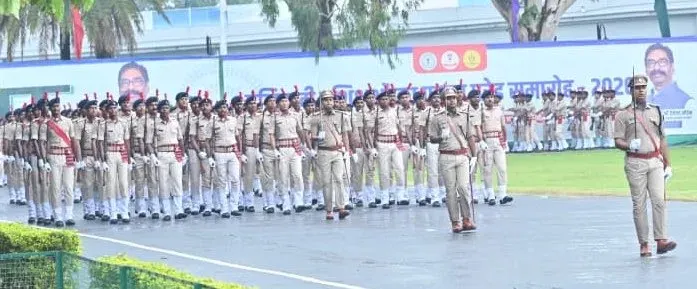
Jharkhand's Chief Minister honoured top performers from a 340-strong police training batch on 25 June 2026, which notably included dependents of martyred police personnel given 12 months of compassionate training alongside 4 DSPs and 336 constables — 81 of them women.
Key Takeaways
The training batch comprised 4 DSPs and 336 constables ( 255 male, 81 female ), totalling 340 trainees .
Dependents of martyred Jharkhand Police personnel were included in the batch under compassionate appointment provisions.
Compassionate trainees underwent a 12-month training programme , the same duration as the regular cohort.
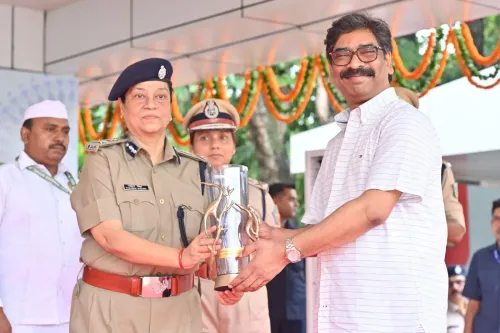
The Chief Minister of Jharkhand personally felicitated the best trainees across various performance categories.
The initiative reflects Jharkhand 's longstanding policy of integrating police welfare with operational recruitment, in force since the state's formation in 2000 .
The batch's 81 female constables underscore the state's ongoing effort to improve gender representation in the police force.
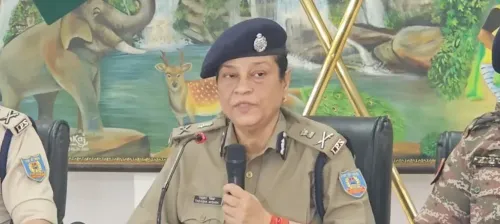
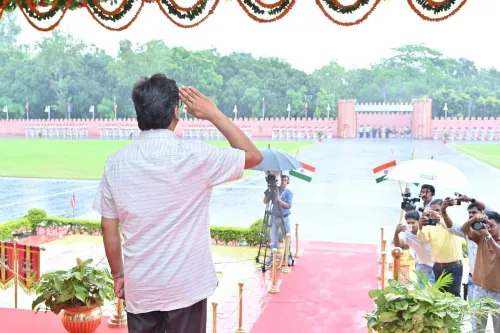
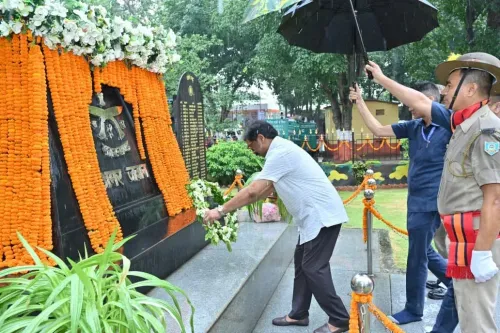
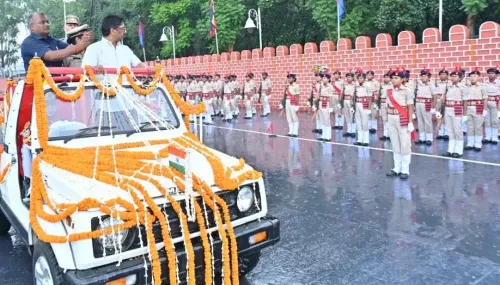
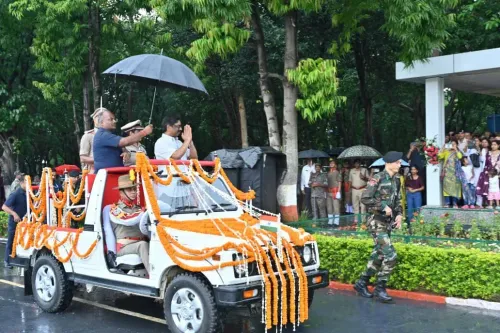
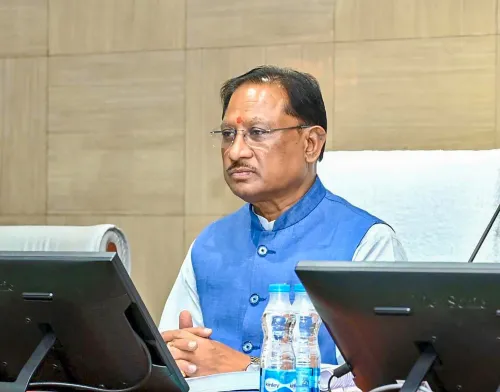
The Chief Minister's Office of Jharkhand announced on Thursday, 25 June 2026, that a police training batch comprising 4 Deputy Superintendents of Police (DSPs) and 336 constables — including dependents of martyred police personnel — has completed its programme, with the Chief Minister personally honouring the best performers across categories.
Context
The training batch included 255 male and 81 female constables, totalling 336 Aarakshis (constables), alongside 4 DSPs. Notably, dependents of police personnel killed in the line of duty were also part of the cohort, having undergone a 12-month training programme on compassionate grounds. The Chief Minister felicitated the best trainees across various disciplines at a formal ceremony.
The official post stated: 'प्रशिक्षण में शहीद पुलिसकर्मियों के आश्रित भी शामिल हैं, जिन्हें अनुकंपा के आधार पर 12 माह का प्रशिक्षण दिया गया है' — meaning, 'The training also included dependents of martyred police personnel, who were given 12 months of training on compassionate grounds.'
Policy Backdrop
Compassionate appointments for families of deceased government employees, including police personnel, have been a cornerstone of state welfare policy in Jharkhand since the state's formation in 2000. The state adopted these provisions under its police service rules specifically to support families of personnel lost to extremist violence — a persistent security challenge in the region.
Central guidelines on compassionate appointments in uniformed forces, framed by the Department of Personnel and Training, have served as a model for state-level adaptations since the 1990s. Jharkhand's integration of compassionate trainees into regular training cycles reflects this broader national framework, blending welfare with operational readiness.
Stakeholders and Impact
The primary beneficiaries are the families of Jharkhand Police personnel who died in service — particularly those lost to left-wing extremist violence that has historically afflicted the state. By embedding their dependents within standard training cohorts, the state ensures these individuals receive the same professional grounding as regular recruits.
The 81 female constables in the batch also signal a continued push for gender representation within the state police force. Public recognition by the Chief Minister of top performers across multiple disciplines adds a morale dimension, reinforcing the value placed on excellence within the force.
What's Next
Attention will now turn to subsequent recruitment notifications from the Jharkhand Police and the state public service commission, which may expand compassionate training quotas in future cycles. The pattern of combining standard and compassionate tracks in a single training batch — followed by a chief-ministerial recognition event — is likely to be institutionalised as a recurring feature of Jharkhand's police welfare calendar.
Point of View
The administration elevates the ceremony beyond routine recruitment, linking police sacrifice directly to state recognition. This fits a broader pattern seen in conflict-affected states where welfare optics are used to sustain morale in forces combating left-wing extremism. The inclusion of 81 female constables further positions the batch as a marker of progressive police reform alongside the welfare narrative.
NationPress
24 Sept 2026
Frequently Asked Questions
Who are the dependents of martyred police personnel included in Jharkhand police training?
They are family members — typically children or spouses — of Jharkhand Police personnel who died in the line of duty. Under compassionate appointment provisions, they are eligible for government employment and were given a 12-month police training programme as part of this batch.
How many constables and DSPs were in the Jharkhand police training batch in June 2026?
The batch included 4 DSPs and 336 constables — 255 male and 81 female — as announced by the Chief Minister's Office of Jharkhand on 25 June 2026.
What is compassionate appointment in Jharkhand police?
Compassionate appointment is a state policy that allows dependents of deceased government employees, including police personnel killed in service, to receive training and employment. Jharkhand adopted this under its police service rules after the state's formation in 2000.
Did the Jharkhand Chief Minister attend the police training passing-out ceremony?
Yes, the Chief Minister of Jharkhand was present at the event and personally honoured the best trainees across various performance categories, according to the official CMO post dated 25 June 2026.
How does Jharkhand support families of police martyrs?
Jharkhand supports martyrs' families primarily through compassionate appointment provisions, which allow eligible dependents to undergo police training — in this case a 12-month programme — and subsequently join the state police force.