CM Samrat Choudhary Orders Solar Panels, Faster Panchayat Bhawan Work
Synopsis
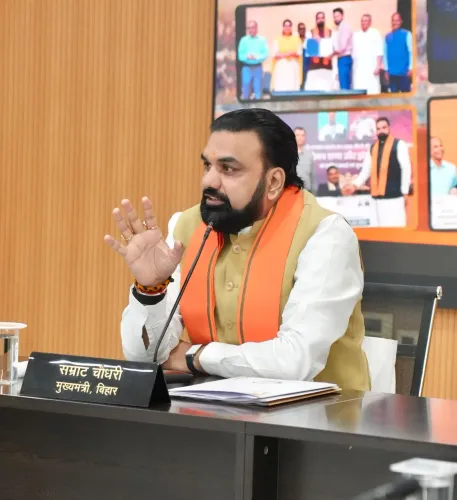
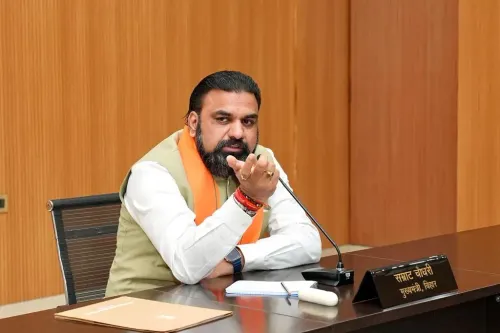
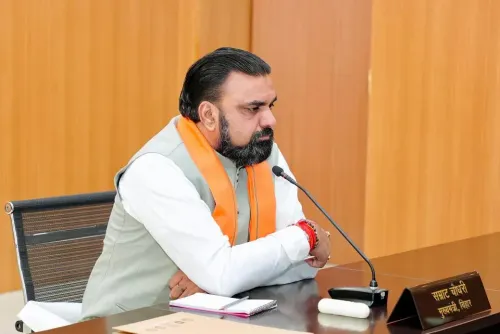
Bihar Chief Minister Samrat Choudhary reviewed the Panchayati Raj Department on November 6, 2026 at Lok Sewak Avas and directed officials to speed up Panchayat Sarkar Bhawan construction and install 20 kW solar panels on rural water towers.
Key Takeaways
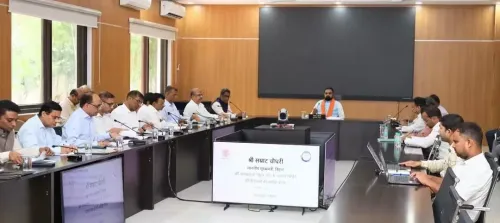
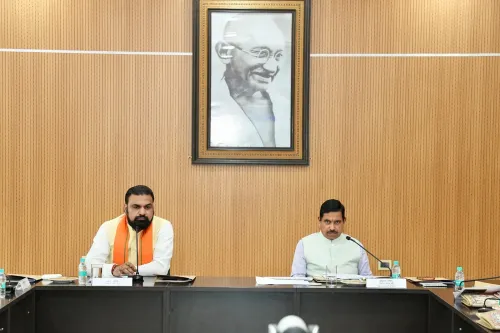
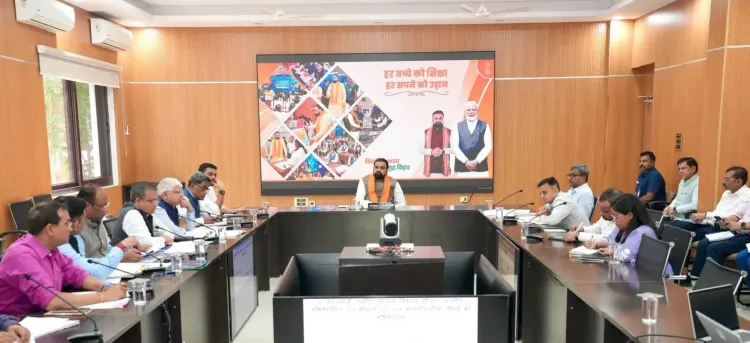
Bihar CM Samrat Choudhary chaired a Panchayati Raj Department review at the Sankalp auditorium, Lok Sewak Avas on November 6, 2026 .
He directed faster construction and improved maintenance of Panchayat Sarkar Bhawans — dedicated gram panchayat office buildings.
Officials were instructed to install 20-kilowatt solar panels on jalminaras (water towers) across rural Bihar.
The Panchayat Sarkar Bhawan programme traces its roots to Bihar's post-73rd Amendment infrastructure push from the 2010s.
Solar installations on public assets align with national renewable energy targets and reduce operational electricity costs for panchayats.
Bihar's villages are set to get faster-built panchayat offices and solar-powered water towers, after Bihar Chief Minister Samrat Choudhary chaired a sharp departmental review at the 'Sankalp' auditorium in Lok Sewak Avas on Friday, November 6, 2026 — directing his administration to accelerate construction and push clean energy to the grassroots.
Posting on X, the Chief Minister said he conducted a review meeting of the Panchayati Raj Department at the Sankalp auditorium in Lok Sewak Avas and issued two concrete directives: speed up the construction and maintenance of Panchayat Sarkar Bhawans (panchayat government buildings), and install 20-kilowatt capacity solar panels on water towers across rural Bihar.What are Panchayat Sarkar Bhawans — and why do they matter?
Panchayat Sarkar Bhawans are purpose-built administrative buildings designed to give each gram panchayat a permanent, functional home. The programme, rooted in the constitutional mandate of the 73rd Amendment of 1992 that established India's three-tier Panchayati Raj system, was launched in Bihar during the 2010s to move panchayat governance out of ad hoc spaces and into dedicated infrastructure. Where these buildings stand complete, they centralise land records, welfare scheme applications, and public grievances under one roof — cutting travel time and friction for rural residents. Delays in construction and poor upkeep have been a recurring challenge across the state, making Friday's review meeting a signal that the Chief Minister intends to hold the department to account on physical delivery.Solar panels on jalminaras: 20 kW per tower
The second directive is equally pointed. Jalminaras — elevated water towers that anchor rural piped-water supply — are energy-intensive assets, often running diesel generators or drawing heavily from the grid. Ordering 20-kilowatt solar installations on each tower aligns Bihar's rural infrastructure with national renewable energy targets while cutting operational electricity costs for panchayats that otherwise struggle with utility bills. The move fits a broader pattern seen across Indian states: placing solar generation on existing public infrastructure — rooftops, water towers, school buildings — to maximise output without acquiring new land. For Bihar's vast rural belt, the cumulative capacity across hundreds of water towers could be substantial.A routine review with a specific mandate
Departmental reviews of this kind are standard governance tools, but the specificity of Friday's orders — a named venue, a named department, two concrete measurable directives — lifts it above a ceremonial meeting. The Sankalp auditorium at Lok Sewak Avas in Patna has become a regular venue for Chief Ministerial oversight sessions under Choudhary's administration. Progress on both fronts — building completions and solar installations — is likely to surface in the next budget cycle or in subsequent departmental performance reviews, giving the public clear benchmarks to watch.The test, as always in Bihar's rural governance story, is not in the meeting room — it's in how quickly the instructions travel from Patna to the last panchayat office at the end of a kuchcha road.
Point of View
Not merely a procedural ritual — the two directives are specific and measurable, which creates public benchmarks. The solar panel mandate on water towers is a smart fiscal move: it ties renewable energy adoption to existing rural infrastructure, sidestepping land-acquisition hurdles entirely. Within Bihar's political context, delivering visible panchayat buildings and reliable, solar-powered water supply in villages directly strengthens the BJP's rural outreach ahead of any future electoral cycle. The broader pattern is of state governments progressively loading national energy and rural-development mandates onto a single asset — the gram panchayat — which works only if the foundational infrastructure, the Bhawan itself, is actually built and functional.
NationPress
6 Nov 2026
Frequently Asked Questions
What is a Panchayat Sarkar Bhawan in Bihar?
A Panchayat Sarkar Bhawan is a purpose-built administrative building that serves as the official office of a gram panchayat in Bihar, centralising local governance functions like land records, welfare applications, and public grievances under one roof.
Why is Bihar installing solar panels on water towers?
Bihar CM Samrat Choudhary has directed 20-kilowatt solar panels to be installed on water towers ( jalminaras ) to reduce electricity costs for panchayats and align rural infrastructure with national renewable energy targets.
What did Samrat Choudhary announce at the Panchayati Raj review meeting?
At the review meeting held on November 6, 2026 at the Sankalp auditorium in Lok Sewak Avas, Patna, Chief Minister Samrat Choudhary directed faster construction and maintenance of Panchayat Sarkar Bhawans and ordered 20 kW solar installations on rural water towers.
What is the 73rd Constitutional Amendment and how does it relate to Bihar's panchayats?
The 73rd Constitutional Amendment of 1992 mandated a three-tier Panchayati Raj system across India. In Bihar, it formed the constitutional basis for programmes like the Panchayat Sarkar Bhawan, which provides gram panchayats with dedicated office infrastructure.
Where is Lok Sewak Avas in Patna?
Lok Sewak Avas is the official residential and administrative complex of the Bihar Chief Minister in Patna, which houses the Sankalp auditorium used for departmental review meetings.