CM Samrat Choudhary, Union Min Pralhad Joshi Review Bihar Education
Synopsis
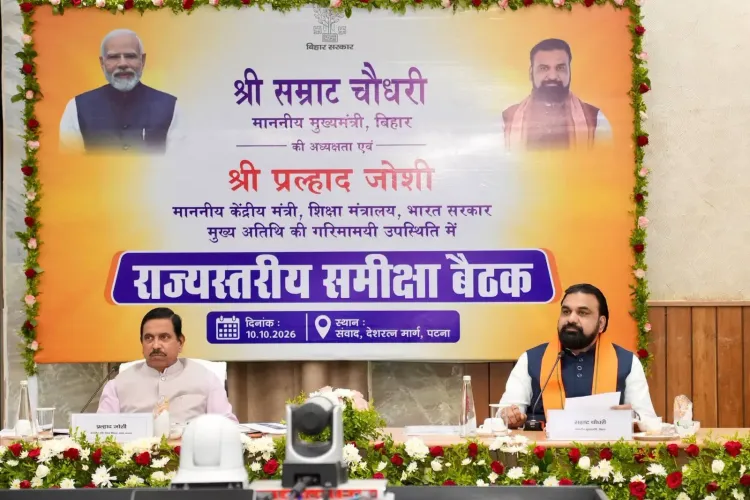
Bihar Chief Minister Samrat Choudhary and Union Education Minister Pralhad Joshi held a structured review meeting at Patna's CM Secretariat on October 10, 2026, focusing on strengthening school and higher education quality, infrastructure, and academic facilities across Bihar.
Key Takeaways
Bihar CM Samrat Choudhary and Union Minister Pralhad Joshi met on October 10, 2026 at the CM Secretariat in Patna.
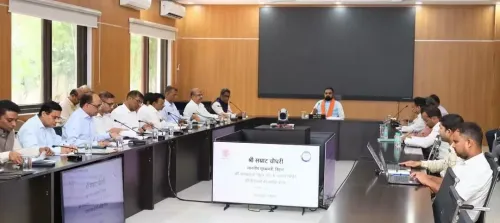
The session was held in the 'Sanvad' kaksh (dialogue chamber) of the Chief Minister's Secretariat.
The review covered quality of higher and school education , physical infrastructure, and academic facilities in Bihar.
The meeting signals a coordinated Centre-state push on education reform under the #SamriddhBihar and #ViksitBharat frameworks.
No specific decisions were announced publicly, but the structured review format suggests concrete follow-up actions are anticipated.
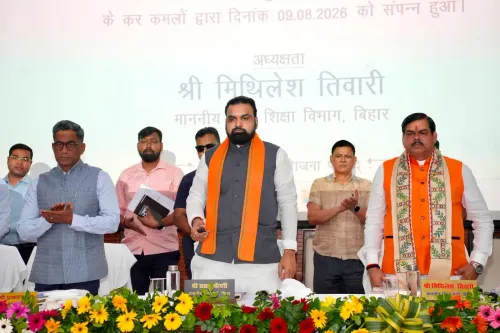
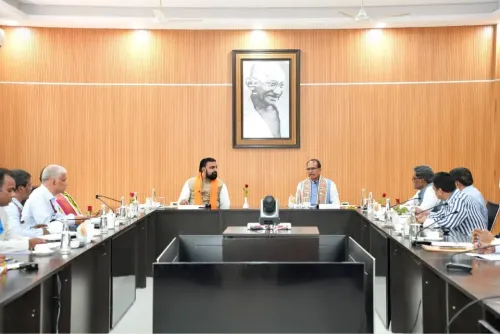
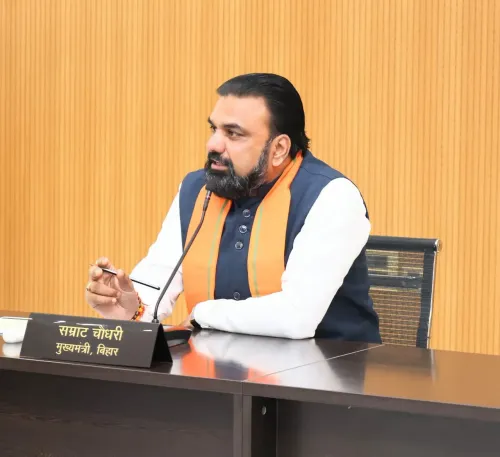
Bihar's classrooms and campuses moved to the top of the agenda on Saturday, October 10, 2026, when Bihar Chief Minister Samrat Choudhary sat down with Union Education Minister Pralhad Joshi at the CM Secretariat's dedicated dialogue chamber — the 'Sanvad' kaksh — to take stock of what is working, and what is not, in the state's schools and colleges.
What the 'Sanvad' session put on the table
The meeting, convened inside the Chief Minister's Secretariat in Patna, was described as a review — not a ceremonial call. The two leaders examined the quality of higher and school education in Bihar, the state of physical infrastructure, and the adequacy of academic facilities. Choudhary posted on X that the session was aimed at 'uchch evam vidyalayee shiksha ki gunvatta, aadharabhoot sanrachna aur shaikshnik suvidhaon ko sudridh karne hetu' — that is, 'strengthening the quality, infrastructure, and educational facilities of higher and school education in Bihar.'
The choice of the Sanvad room — literally 'dialogue' — as the venue carries its own signal: this was a working session, structured around exchange rather than optics. The presence of a Union Cabinet minister alongside the Chief Minister points to a coordinated Centre-state push, likely tapping into centrally sponsored schemes and national education policy frameworks.
Bihar's education challenge in brief
Bihar has long carried one of India's most demanding education briefs — a young, large population, historically low enrolment rates at the higher-education level, and school infrastructure that has struggled to keep pace with demographic pressure. Any serious Centre-state alignment on these gaps carries real consequence for millions of students across the state's 38 districts.
The hashtags #SamriddhBihar (Prosperous Bihar) and #ViksitBharat (Developed India) frame the meeting within the BJP's twin governance narratives — state-level prosperity feeding into the national development arc. Education, in that framing, is not a welfare line item but an economic foundation.
Centre-state coordination as the method
A review meeting at this level — Chief Minister plus a Union Cabinet minister, in a formal secretariat setting — typically precedes specific asks: additional central funding, scheme expansions, or fast-tracked approvals for infrastructure projects. While no decisions or announcements were disclosed in the post, the structured nature of the session suggests follow-up action is expected rather than optional.
Bihar's education story is one the country watches closely — because what works here, at scale, in a resource-constrained environment, travels. If this review translates into concrete upgrades, the ripple reaches every student who has ever sat in an understaffed classroom waiting for a future that hasn't arrived yet.
Point of View
Where education outcomes remain a persistent challenge, this kind of structured engagement with the Union government can unlock central scheme funding and accelerate infrastructure approvals. The dual hashtag framing — #SamriddhBihar alongside #ViksitBharat — also positions state-level education investment as a building block of the national development narrative, giving both leaders a shared political dividend from any visible progress.
NationPress
10 Oct 2026
Frequently Asked Questions
Why did Bihar CM Samrat Choudhary meet Union Minister Pralhad Joshi?
The meeting was a structured review of the quality, infrastructure, and academic facilities of school and higher education in Bihar, aimed at identifying areas for improvement and Centre-state coordination.
Where was the Bihar education review meeting held?
The meeting was held in the 'Sanvad' kaksh (dialogue chamber) at the Chief Minister's Secretariat in Patna, Bihar.
What is #SamriddhBihar?
#SamriddhBihar, meaning 'Prosperous Bihar,' is a BJP governance hashtag used to frame development and welfare initiatives undertaken by the Bihar state government under CM Samrat Choudhary.
What is Pralhad Joshi's role in Indian education?
Pralhad Joshi serves as a Union Cabinet Minister in the Government of India; his portfolio includes responsibilities relevant to education, making him a key interlocutor for state-level education reviews with the Centre.
What are Bihar's main education challenges?
Bihar faces significant challenges including low higher-education enrolment rates, inadequate school infrastructure across its 38 districts, and the need to serve one of India's youngest and largest state populations.