CM Samrat Choudhary Marks 12 Years of India's Cultural Rise
Synopsis
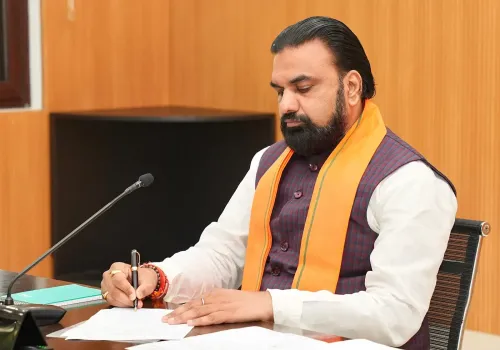
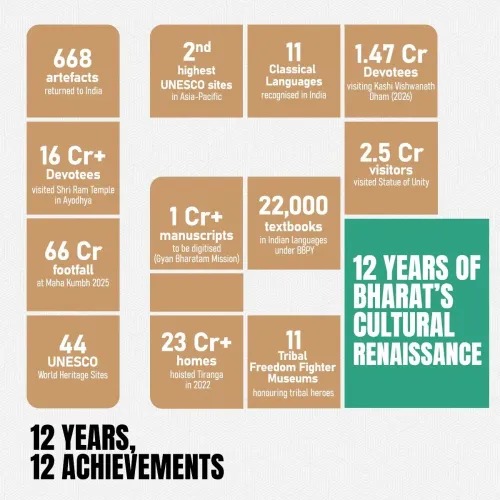
Bihar Chief Minister Samrat Choudhary on June 18, 2026, marked 12 years of what he called Bharat's cultural renaissance, crediting PM Modi's leadership for making India's civilizational heritage a cornerstone of its global rise alongside economic and strategic gains.
Key Takeaways
Bihar CM Samrat Choudhary posted on June 18, 2026 , marking 12 years of India's cultural renaissance under PM Modi.
The post frames India's rise as simultaneously economic, strategic, and civilizational , citing global yoga celebrations and cultural diplomacy.
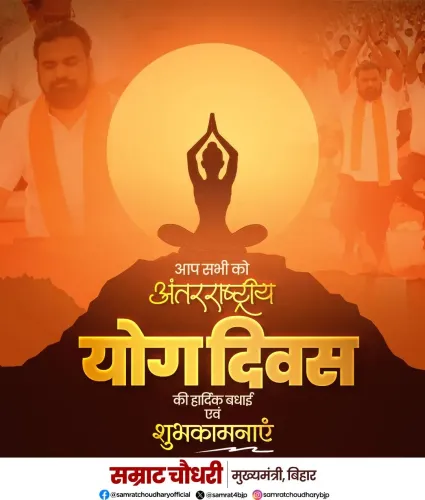
The International Day of Yoga on June 21 was proposed by Modi at the UN General Assembly in 2014 and has been observed globally every year since 2015 .
The Ministry of AYUSH and Indian diplomatic missions coordinate mass yoga events worldwide each June 21.
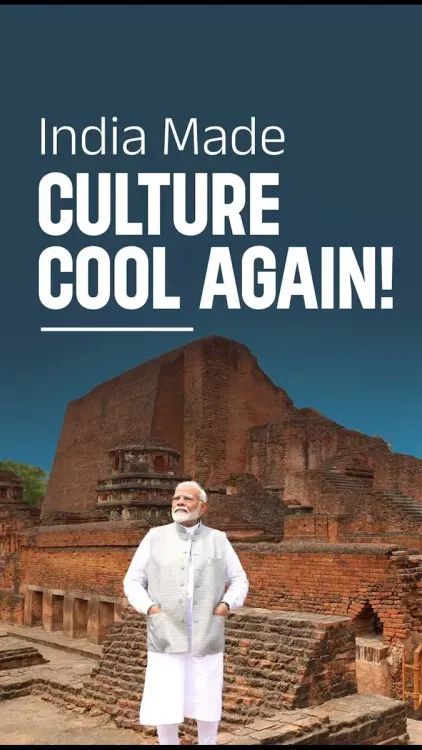
Bihar's historical ties to ancient Indian civilisation — including Nalanda , Bodh Gaya , and Vaishali — lend symbolic resonance to Choudhary's cultural messaging.
The post signals a BJP-wide communications push tying India's global standing to its civilizational heritage ahead of the 12-year milestone.
Bihar Chief Minister Samrat Choudhary on Thursday, June 18, 2026, hailed what he described as 12 years of Bharat's cultural renaissance, crediting the leadership of Prime Minister Narendra Modi for elevating India's civilizational identity to unprecedented global prominence. The post, shared on X, frames India's rise over the past decade-plus as simultaneously economic, strategic, and cultural.
Context
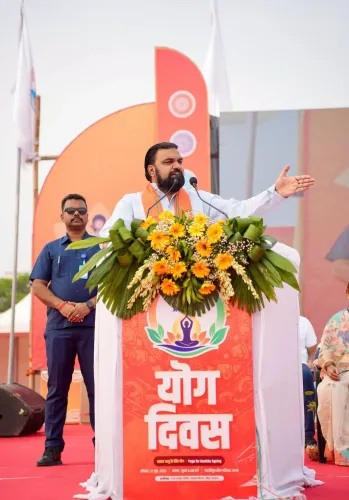
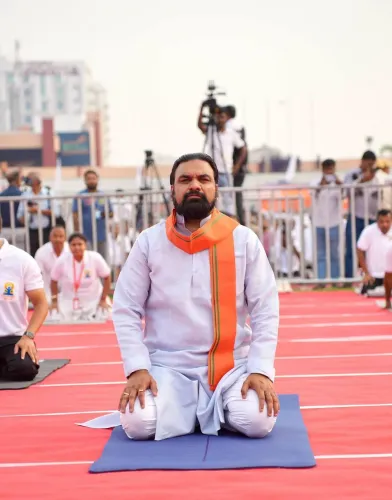
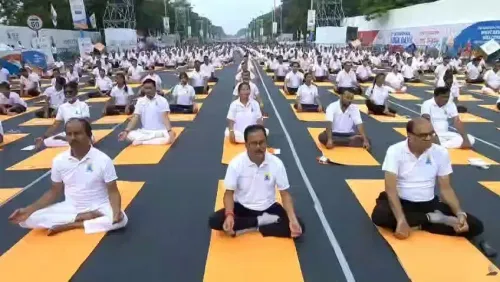
Choudhary's post arrives days ahead of June 21, the International Day of Yoga — an annual global observance whose origins trace directly to Modi's tenure. In 2014, Modi proposed the observance at the United Nations General Assembly, which passed a unanimous resolution establishing the date. Since 2015, Indian diplomatic missions and state governments have coordinated mass yoga events worldwide each year on that date.
The timing of the post — mid-June 2026 — coincides with the 12th anniversary of Modi's first assumption of office in May 2014, a milestone the ruling BJP and its leaders have been marking across platforms with messaging about India's transformation across multiple domains.
Policy Backdrop
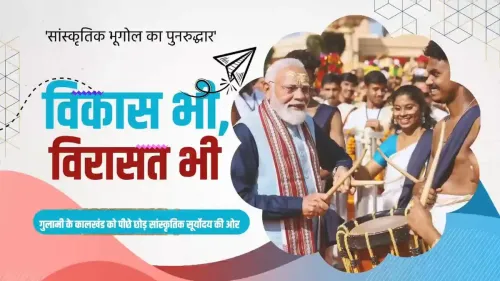
Since 2014, the central government has systematically woven cultural projection into India's foreign policy architecture. Yoga diplomacy, the restoration of heritage sites, and the incorporation of traditional motifs into official state ceremonies have all been presented as complementary pillars alongside India's economic growth and strategic assertiveness on the world stage.
The Ministry of AYUSH has played a central coordinating role in scaling yoga events globally, while cultural exchanges and heritage diplomacy have been pursued through bilateral agreements and multilateral forums. Choudhary's post echoes this framing, stating that 'India's cultural identity now commands recognition, respect and admiration worldwide' ('India ki sabhyata aur sanskriti ko vishwa mein nai pahchaan mili hai').
Stakeholders and Impact
The messaging resonates most directly with yoga practitioners worldwide, Indian diaspora organisations, and constituencies that identify with the revival of India's civilizational heritage as a point of national pride. For the BJP, cultural diplomacy narratives serve as a unifying thread connecting domestic voters with the global Indian community.
Bihar, as a state with deep historical and cultural ties to ancient Indian civilisation — home to sites such as Nalanda, Bodh Gaya, and Vaishali — gives Choudhary's voice particular symbolic weight when invoking themes of cultural renaissance. His alignment with the central government's cultural agenda also reinforces the BJP's messaging consistency across state and national leadership.
What's Next
All eyes will be on the scale and themes of the June 21, 2026 International Day of Yoga events, which are expected to be among the largest coordinated since the observance began. Observers will watch for any new cultural memoranda of understanding, heritage project announcements, or symbolic initiatives timed to the 12-year milestone.
Choudhary's post signals that BJP leaders at the state level are actively amplifying the cultural-renaissance narrative in the run-up to these events, suggesting a coordinated communications push that frames India's global standing as inseparable from its civilizational roots.
Point of View
Particularly ahead of symbolically charged dates like the International Day of Yoga. By framing India's 12-year trajectory as a 'civilizational' renaissance — not merely an economic or diplomatic one — the messaging elevates cultural identity to the same tier as GDP growth and strategic influence, a deliberate and consistent BJP positioning since 2014. The choice of a Bihar chief minister to amplify this theme is also notable: the state's ancient heritage sites lend authentic historical weight to claims of cultural revival. Ahead of June 21, this signals a coordinated multi-level amplification campaign rather than an isolated social media post.
NationPress
21 Sept 2026
Frequently Asked Questions
What is Bihar CM Samrat Choudhary's post about?
Bihar Chief Minister Samrat Choudhary's June 18, 2026 post marks 12 years of what he calls Bharat's cultural renaissance under PM Modi, highlighting global yoga celebrations, cultural diplomacy, and the revival of India's civilizational heritage.
What is the International Day of Yoga and who proposed it?
The International Day of Yoga is observed every year on June 21. It was proposed by Prime Minister Narendra Modi at the UN General Assembly in 2014, which passed a unanimous resolution establishing the date. Global events have been held annually since 2015.
Who is Samrat Choudhary?
Samrat Choudhary is the Chief Minister of Bihar and a senior leader of the Bharatiya Janata Party (BJP). He regularly highlights central government initiatives, including cultural and development programmes, in his public communications.
What is India's cultural diplomacy under Modi?
Since 2014, India under PM Modi has integrated cultural projection into its foreign policy through yoga diplomacy, heritage site restoration, and the use of traditional motifs in official ceremonies, positioning cultural identity as a pillar of India's global rise alongside economic and strategic factors.
Why is June 2026 significant for BJP's cultural messaging?
June 2026 marks approximately 12 years since Narendra Modi assumed office in May 2014. BJP leaders at both the national and state level have used this milestone to highlight India's transformation, with cultural renaissance forming a key part of the anniversary narrative ahead of the June 21 International Day of Yoga.